14 Beautiful Modern Japanese House Exteriors
1. Minimalist Wood and Concrete
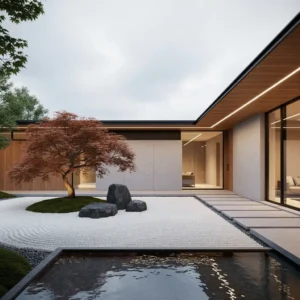
Modern Japanese exteriors often embrace a refined combination of wood and concrete. The warmth of natural wood balances the cool strength of concrete, creating a harmonious design that feels both modern and deeply connected to nature. Clean lines and uncluttered surfaces highlight the beauty of the materials themselves.
Large windows allow natural light to filter inside while maintaining a calm exterior presence. Simple landscaping with gravel, moss, or small plants enhances the Zen-like atmosphere. This approach reflects the Japanese philosophy of simplicity, where thoughtful design and natural materials create timeless elegance.
2. Dark Timber Facade
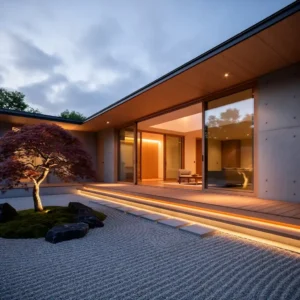
Dark timber siding gives Japanese homes a dramatic yet refined appearance. The deep tones highlight the natural grain of the wood, creating texture and depth. Against a neutral or concrete base, the dark exterior feels bold while remaining sophisticated.
Minimal landscaping keeps the focus on the architecture. Small stone paths and subtle greenery complement the structure without overwhelming it. This design approach balances modern aesthetics with traditional Japanese appreciation for natural materials.
3. Sliding Glass Wall Design
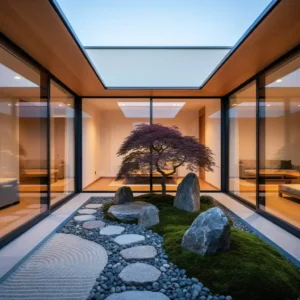
Sliding glass walls are a hallmark of Japanese design, seamlessly connecting indoor and outdoor spaces. From the exterior, these expansive glass panels create a light and airy appearance while maintaining simplicity. They reflect surrounding gardens, blending architecture with nature.
A wooden deck or veranda enhances the transition between interior and exterior. The combination of glass, wood, and natural landscaping creates a tranquil environment that encourages relaxation. This design perfectly captures the harmony central to Japanese living.
4. Black and Wood Contrast
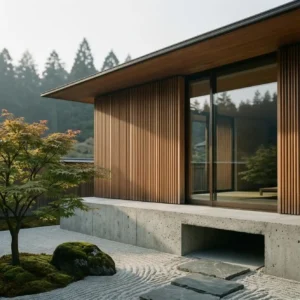
The combination of black siding and warm wood accents creates a striking modern aesthetic. Black provides a bold architectural frame, while wood introduces warmth and organic texture. Together, they create balance between strength and softness.
Simple landscaping and neutral pathways keep the focus on the home’s structure. This exterior style feels contemporary yet rooted in natural elements, reflecting the Japanese approach to understated elegance.
5. Courtyard-Centered Home
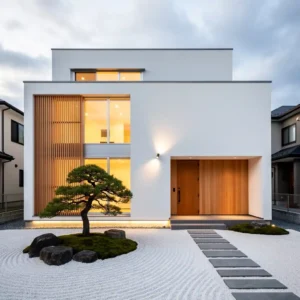
Many modern Japanese homes are designed around a central courtyard. From the outside, the house may appear private and minimal, but the interior courtyard brings light and greenery into the center of the space.
Glass walls facing the courtyard create visual openness while maintaining privacy from the street. Simple stone paths, bamboo, or small trees enhance the peaceful atmosphere. This layout embodies the Japanese concept of harmony between architecture and nature.
6. Vertical Wood Slat Facade
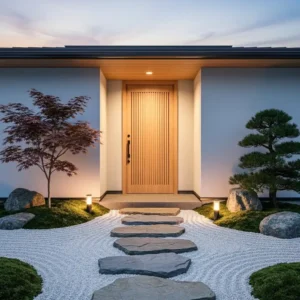
Vertical wood slats add texture and rhythm to modern Japanese exteriors. They create visual interest while also offering privacy and shade. The slatted design allows glimpses of light and shadow to move across the façade throughout the day.
Pair the wood slats with concrete or neutral walls for contrast. Minimal greenery and stone landscaping maintain the clean aesthetic. This design approach feels architectural and elegant while remaining deeply rooted in natural materials.
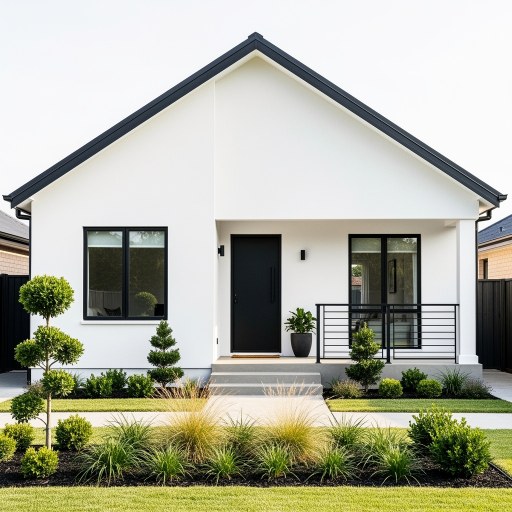
7. White Minimalist Exterior
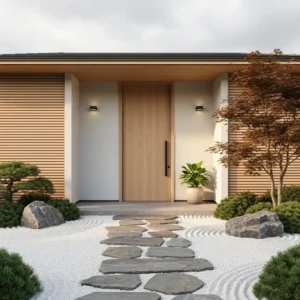
A white minimalist exterior emphasizes purity and simplicity. Smooth white walls highlight geometric forms and create a bright, serene appearance. The neutral color allows shadows and architectural details to stand out beautifully.
Keep landscaping simple with gravel, moss, or a small tree to maintain balance. This style reflects the Japanese philosophy of removing excess to focus on essential design elements, resulting in a calm and refined exterior.
8. Natural Stone Entrance
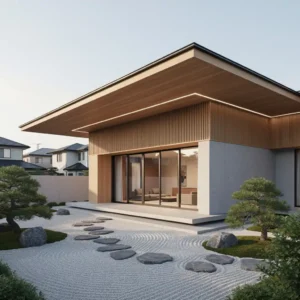
A stone-lined entrance adds grounding texture to modern Japanese homes. Natural stone pathways guide visitors toward the entry, creating a sense of quiet anticipation. The organic material complements wooden doors and neutral exterior walls.
Surround the pathway with gravel or small plants for a Zen-inspired look. Soft lighting enhances the stones at night, creating a welcoming atmosphere. This design detail reflects the Japanese appreciation for natural beauty and subtle elegance.
9. Floating Roof Design
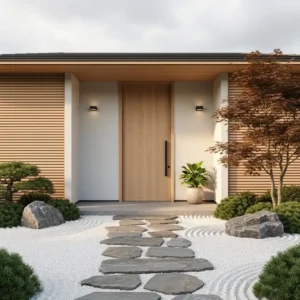
Floating rooflines give modern Japanese homes a sense of lightness and balance. Wide overhangs appear to hover above the structure, providing shade while enhancing architectural drama. The horizontal emphasis reflects traditional Japanese design principles.
Combine the roof design with wood and concrete elements for harmony. Minimal landscaping ensures the architectural lines remain the focal point. This style feels both innovative and deeply influenced by traditional Japanese aesthetics.
10. Bamboo-Inspired Landscaping
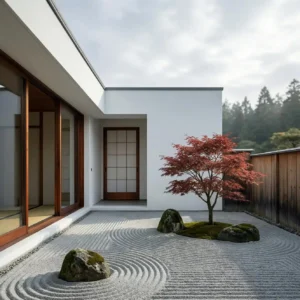
Bamboo gardens create a serene backdrop for modern Japanese homes. The tall, slender plants add vertical movement while maintaining a clean and natural appearance. Bamboo also symbolizes tranquility and resilience in Japanese culture.
Pair bamboo landscaping with gravel paths and simple stone accents. The greenery softens the architecture while preserving minimalism. This exterior design highlights the deep relationship between Japanese homes and the surrounding natural environment.
11. Compact Urban Japanese Home
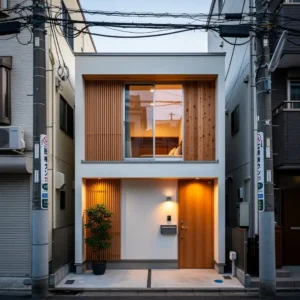
In dense cities, Japanese homes often occupy narrow lots, inspiring creative architectural solutions. Clean lines, compact forms, and clever window placement make these homes feel spacious despite limited space.
Wood accents and minimal decoration maintain warmth and character. Even small outdoor areas often feature tiny gardens or stone details. This design proves that thoughtful architecture can create beauty and functionality in compact environments.
12. Concrete Monolith Design
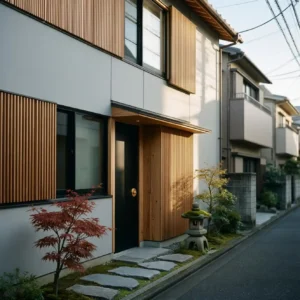
A concrete monolith design creates a bold and sculptural exterior. Smooth concrete surfaces emphasize geometric forms and create a modern, almost gallery-like appearance. The minimal detailing highlights the structure’s shape.
Small openings or carefully placed windows break the solid façade, allowing light while maintaining privacy. This style reflects modern Japanese architectural innovation, blending simplicity with striking visual impact.
13. Glass Corner Exterior
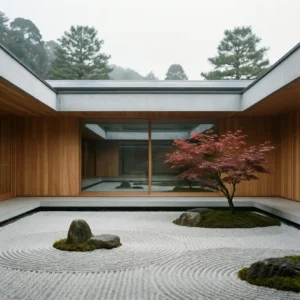
Glass corner walls open the home to panoramic views and natural light. Without traditional corner supports, the design feels transparent and modern. The effect is both elegant and visually dramatic.
Wood framing softens the glass and maintains warmth. Surrounding landscaping remains minimal to preserve the clean aesthetic. This design captures the Japanese philosophy of connecting architecture with nature.
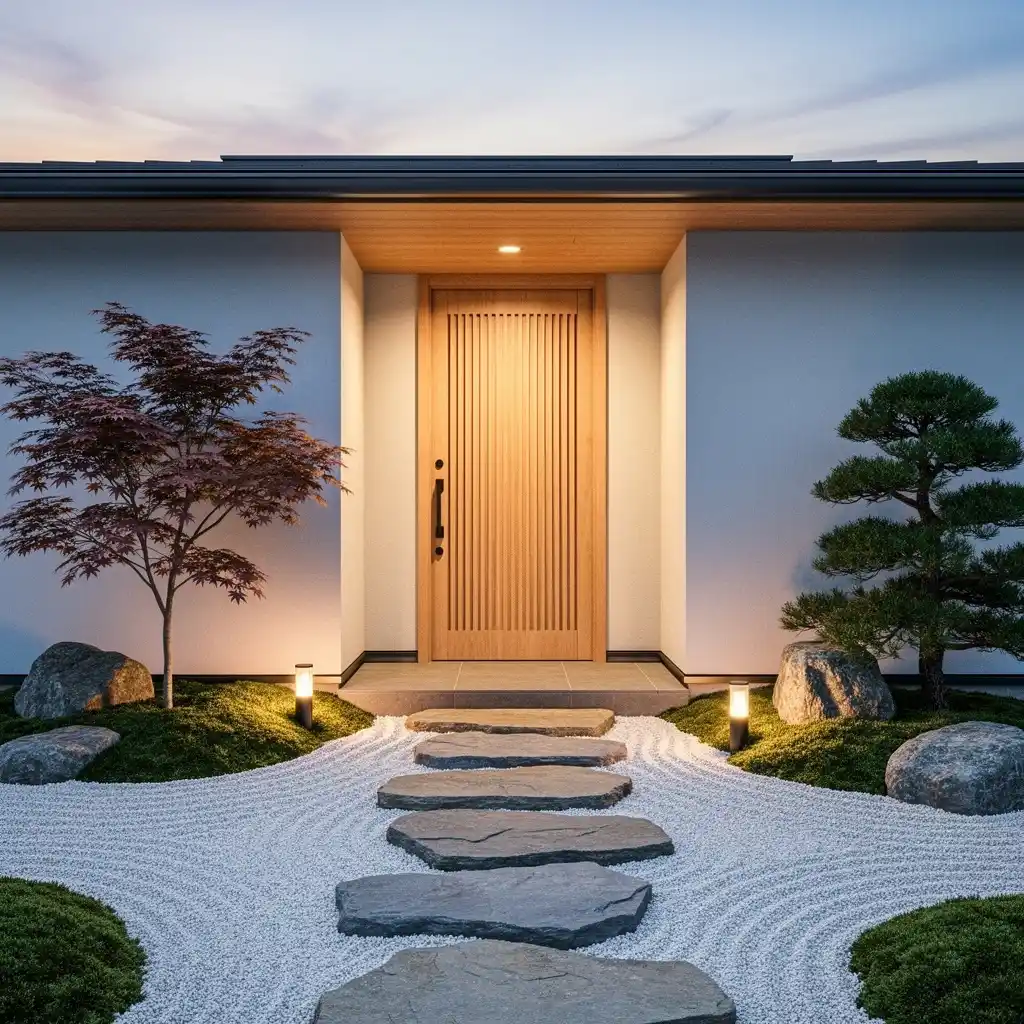
14. Zen-Inspired Entry Garden
A Zen-inspired entry garden creates a peaceful first impression. Carefully raked gravel, stone lanterns, and small plants establish a tranquil atmosphere even before entering the home. The simplicity reflects traditional Japanese garden design.
The exterior architecture remains minimal so the garden can stand out subtly. Soft lighting and natural materials enhance the calming mood. This thoughtful entry design sets the tone for a home rooted in balance, serenity, and natural beauty.