16 70s Apartment Design Ideas Making a Comeback
1. Sunken Living Room (Conversation Pit)
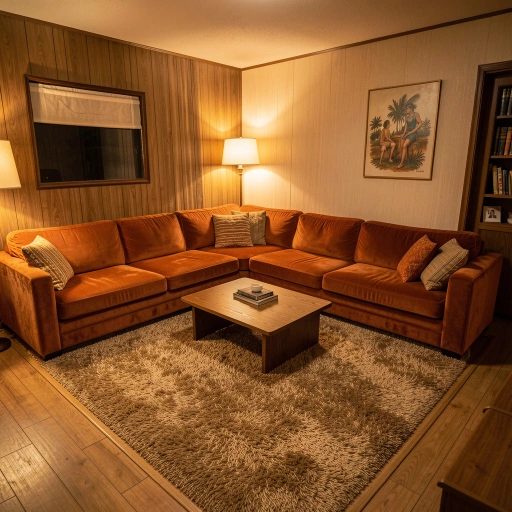
The sunken living room, or conversation pit, is one of the most iconic 70s apartment design ideas experiencing a powerful and enthusiastic revival in contemporary interior design circles. This architectural feature — a recessed seating area set deliberately below the main floor level — creates an intimate, cocoon-like social space that encourages genuine face-to-face conversation in an age dominated by digital distraction. Modern interior designers and Pinterest audiences are rediscovering the conversation pit’s unique ability to define a living space without walls, making it one of the most talked-about retro apartment design trends of the current decade.
Contemporary versions of the sunken living room retain the beloved 70s spirit while incorporating updated materials, cleaner lines, and modern color palettes that feel relevant rather than purely nostalgic. Deep velvet sectionals in terracotta, burnt orange, or olive green fill the recessed space with rich, tactile luxury that invites guests to sink in and stay. This bold architectural 70s apartment design idea works surprisingly well in modern open-plan spaces, creating defined zones with dramatic visual impact that earns extraordinary engagement across every major interior design platform and social media channel.
2. Macramé Wall Hangings
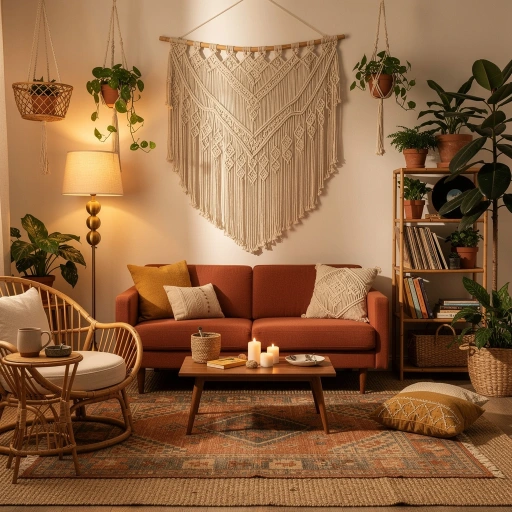
Macramé wall hangings have made one of the most triumphant comebacks in modern interior design, reclaiming their place as the defining textile art statement of bohemian-inspired 70s apartment decorating. The intricate knotted patterns and natural rope textures of macramé bring organic warmth, handcrafted authenticity, and genuine artistic personality to bare apartment walls that no printed canvas or framed poster can replicate. Interior designers and home decorating enthusiasts across Pinterest and Instagram have fully embraced this beloved 70s apartment design revival, propelling macramé back into mainstream interior consciousness with remarkable cultural momentum.
Large-scale macramé pieces hung above sofas or beds create immediate focal points that anchor entire room compositions with their impressive scale and tactile visual complexity. Pairing macramé wall art with rattan furniture, potted trailing plants, and warm earth-toned textiles creates a cohesive 70s-inspired apartment aesthetic that feels simultaneously retro and completely current. Whether purchased from independent artisan makers or crafted by hand using widely available tutorials, macramé wall hangings offer apartment dwellers a deeply personal, budget-conscious way to introduce genuine 70s apartment design character into any modern living space.
3. Shag Carpet and Rugs
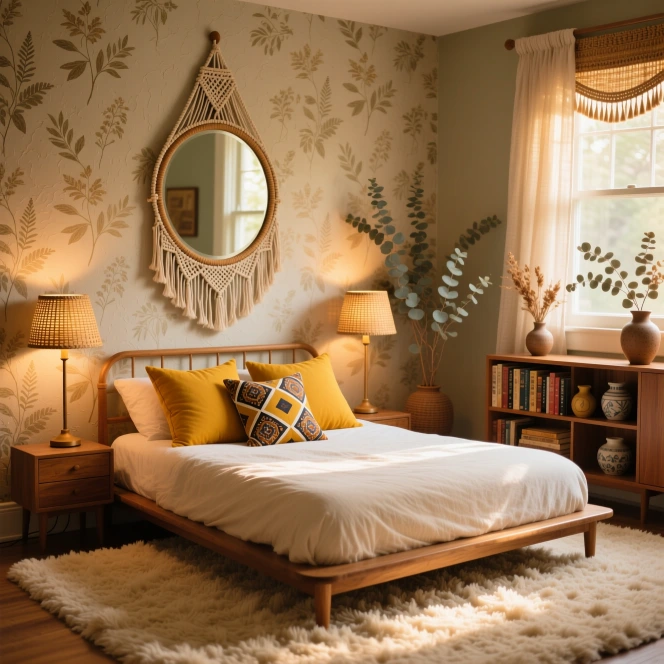
The gloriously tactile, impossibly plush shag carpet is staging a full and unapologetic comeback as one of the most beloved 70s apartment design elements being enthusiastically reintegrated into contemporary interiors worldwide. Once the undisputed symbol of 1970s domestic luxury, the deep-pile shag rug now occupies a prominent place in modern interior design conversations, celebrated for its extraordinary sensory comfort, visual warmth, and ability to instantly transform the acoustic and atmospheric quality of any apartment space. Running bare feet through a thick shag rug remains one of life’s most genuinely satisfying domestic pleasures, a fact that transcends every design decade.
Contemporary shag rugs arrive in a far more sophisticated color palette than their original 1970s counterparts, offering deep jewel tones, neutral creams, warm terracottas, and subtle sage greens that integrate seamlessly with modern apartment aesthetics without feeling aggressively retro. Layering a shag rug over polished concrete floors or light hardwood creates a striking textural contrast that adds enormous visual and physical warmth to minimalist contemporary apartment spaces. This irresistibly comfortable 70s apartment design idea consistently generates high engagement on Pinterest home decor boards, particularly among younger renters discovering the sensory and aesthetic pleasures of deeply textured floor coverings for the first time.
4. Wood Paneling Walls
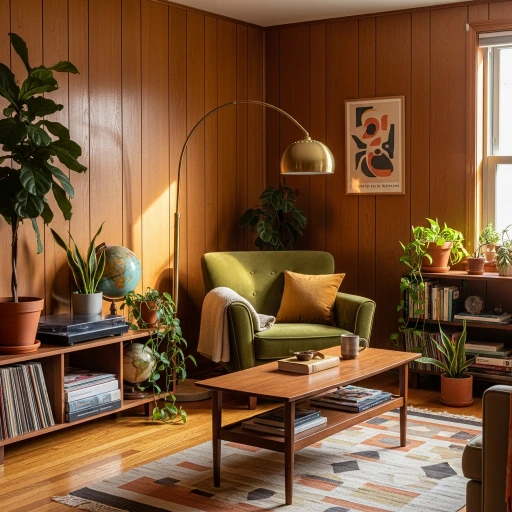
Wood paneling walls — once the most maligned relic of 1970s apartment design — have undergone a spectacular critical rehabilitation, emerging as one of the most sought-after interior design features in contemporary urban apartment styling. Where previous generations ripped out wood paneling as quickly as possible, today’s design-conscious apartment dwellers are actively installing it, celebrating its extraordinary ability to introduce warmth, natural texture, and architectural character into otherwise bland, featureless rental spaces. The rich honey and amber tones of genuine wood paneling create a depth and warmth that painted drywall simply cannot match regardless of color choice.
Modern interpretations of 70s wood paneling move away from the dark, oppressive walnut of the original decade toward lighter oak, ash, and pine tones that feel genuinely contemporary while retaining the beloved warmth and organic texture of the classic 70s apartment aesthetic. Painting existing wood paneling in deep forest green, rich terracotta, or warm cream creates a fresh, editorial interpretation that honors the original architectural spirit while delivering a result that feels entirely current. This distinctive 70s apartment design revival idea consistently performs exceptionally well across architecture and interior design platforms, appealing to audiences who value genuine material authenticity over smooth, characterless modern finishes.
5. Earthy Terracotta Color Palette
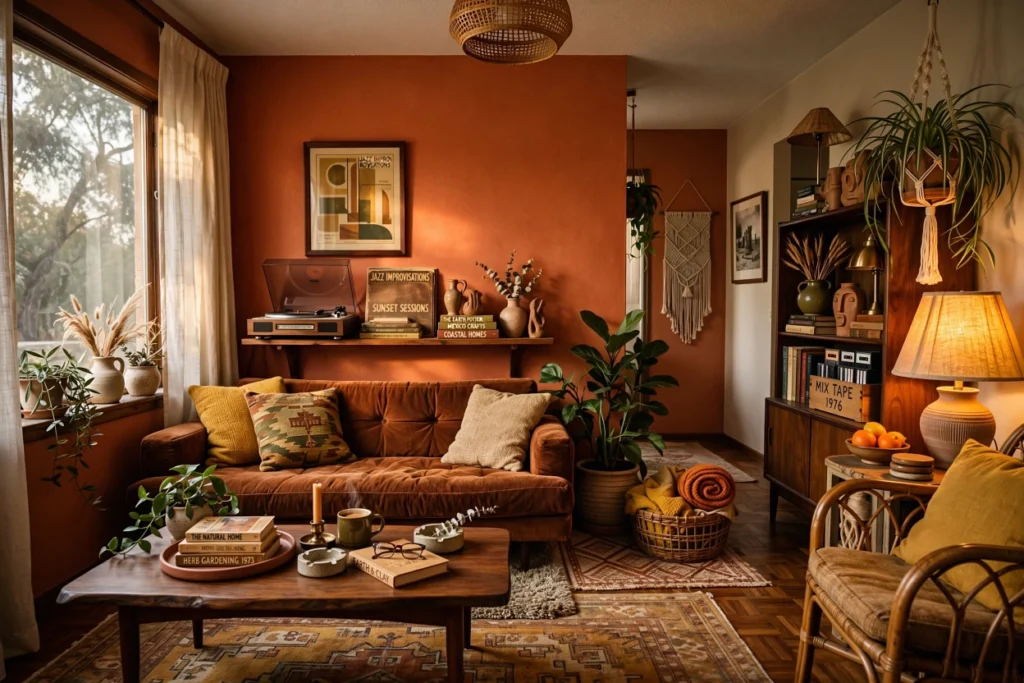
The earthy terracotta color palette stands as perhaps the single most definitive visual signature of 1970s apartment design, and its triumphant return to contemporary interiors feels less like a trend revival and more like a permanent correction toward warmth, humanity, and genuine sensory comfort. Terracotta walls — ranging from pale dusty clay to deep burnt sienna — envelop apartment spaces in a warmth that feels simultaneously ancient and completely modern, connecting interior environments to the earth, ceramics, and natural pigments of the analog world. This grounding, psychologically comforting color choice has resonated powerfully with a generation seeking refuge from the cold, clinical aesthetic of all-white minimalist apartment design.
Building a complete 70s-inspired apartment color story around terracotta means layering complementary earthy tones — warm mustard yellows, olive and sage greens, deep tobacco browns, and muted rusty oranges — in textiles, ceramics, furniture, and accent pieces throughout the space. The beauty of this color palette lies in its extraordinary natural harmony; these pigments exist together in the landscape and consequently feel instinctively balanced and pleasing when combined in interior spaces. This rich, warm 70s apartment design color approach consistently dominates Pinterest home decor trending boards, reflecting a widespread cultural appetite for interiors that feel genuinely warm, human, and deeply connected to the natural material world.
6. Rattan and Wicker Furniture
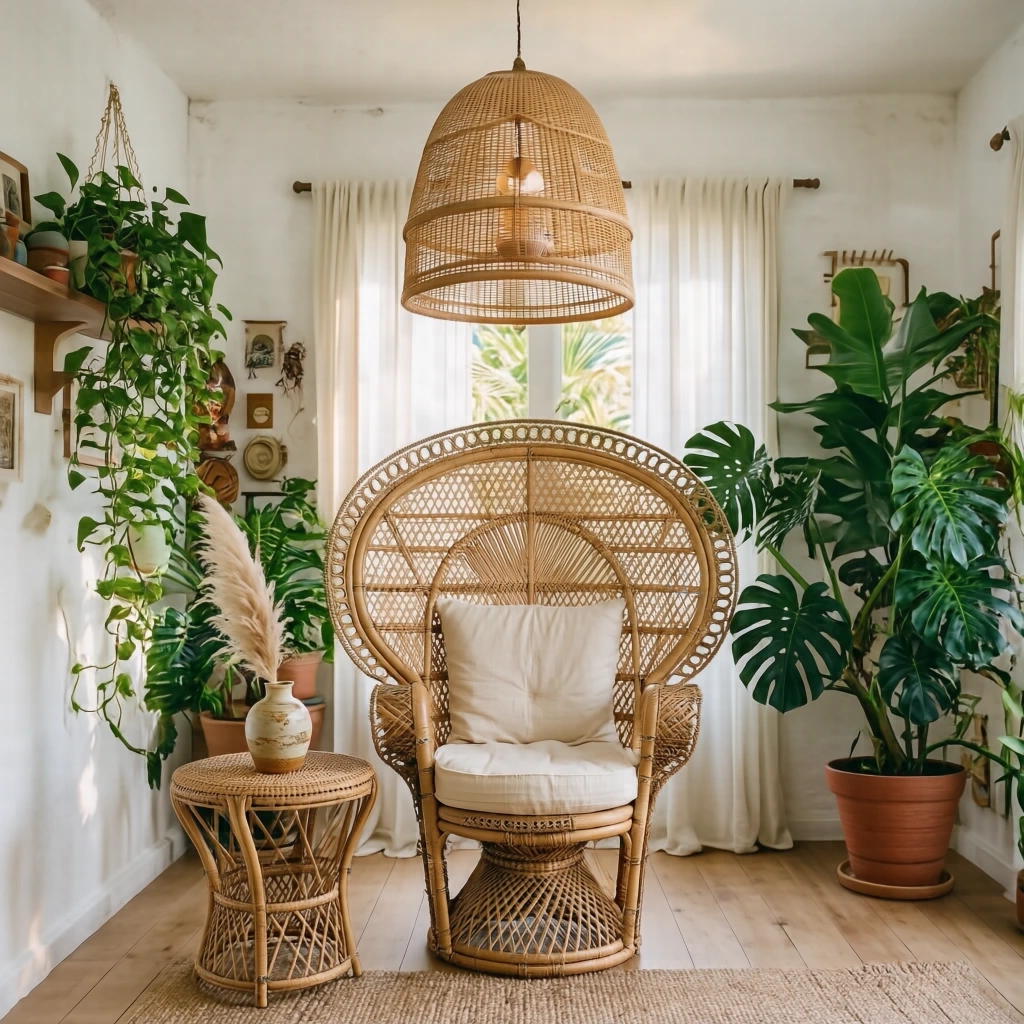
Rattan and wicker furniture have reclaimed their position as essential cornerstone pieces of 70s-inspired apartment design, beloved equally for their organic visual beauty, remarkable lightness, and the effortlessly breezy, sun-warmed atmosphere they bring to any interior space. The iconic rattan peacock chair — perhaps the single most photographed furniture piece of the entire 1970s — has become a genuine cultural icon once again, appearing in the apartments of influencers, designers, and style-conscious homeowners across every major decorating platform. Rattan’s natural golden tones warm any apartment space instantly, working harmoniously with plants, linen textiles, and terracotta accents that characterize the broader 70s apartment design revival.
Contemporary rattan furniture offers significantly improved structural integrity and construction quality compared to original 1970s pieces, making today’s revival versions genuinely practical for daily apartment living rather than purely decorative. Mixing rattan chairs with modern upholstered sofas, concrete accessories, and metal lighting creates sophisticated, layered 70s apartment interiors that feel curated and intentional rather than themed or costume-like. Hanging rattan pendant lights above dining tables or in bedroom corners deliver particularly dramatic visual impact, their woven patterns casting beautiful, intricate shadow patterns across walls and ceilings that animate apartment spaces with constantly shifting natural light and texture.
7. Lava Lamps and Retro Lighting
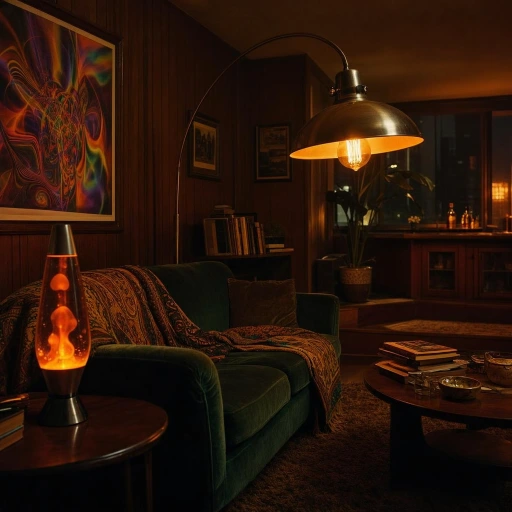
Lava lamps and retro-inspired lighting fixtures are experiencing a significant cultural renaissance, returning to contemporary apartment interiors as both nostalgic decorative objects and genuine functional lighting elements that contribute irreplaceable atmospheric warmth. The hypnotic, slow-motion movement of colored wax blobs rising and falling within a lava lamp creates a meditative, endlessly fascinating focal point that modern smart lighting and LED strips simply cannot replicate, offering a genuinely analog sensory experience that resonates deeply with audiences seeking authentic, non-digital home atmosphere. This quintessential 70s apartment design accessory has found an entirely new appreciative audience among younger generations encountering it fresh.
Pairing lava lamps with other retro lighting elements — mushroom table lamps, arc floor lamps with oversized shades, amber Edison bulb pendants, and warm-toned wall sconces — creates a layered, atmospheric 70s apartment lighting scheme that prioritizes mood, warmth, and sensory comfort over bright, functional illumination. The deliberate shift away from overhead lighting toward multiple lower, warmer light sources was one of the defining interior design innovations of the 1970s, creating intimate, welcoming apartment atmospheres that modern lighting designers are actively revisiting. This evocative 70s apartment design approach to lighting creates spaces that feel genuinely alive, warm, and deeply inviting.
8. Vintage Record Player as Decor
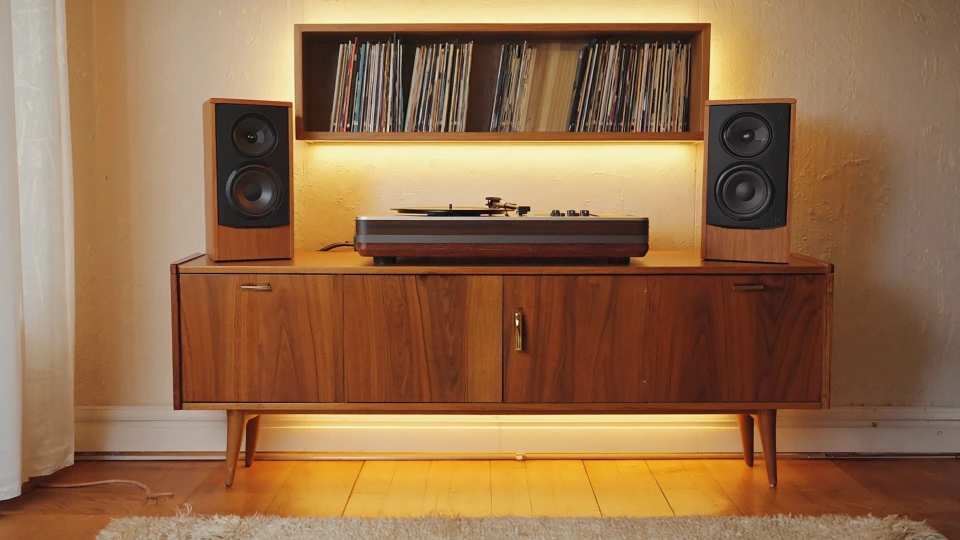
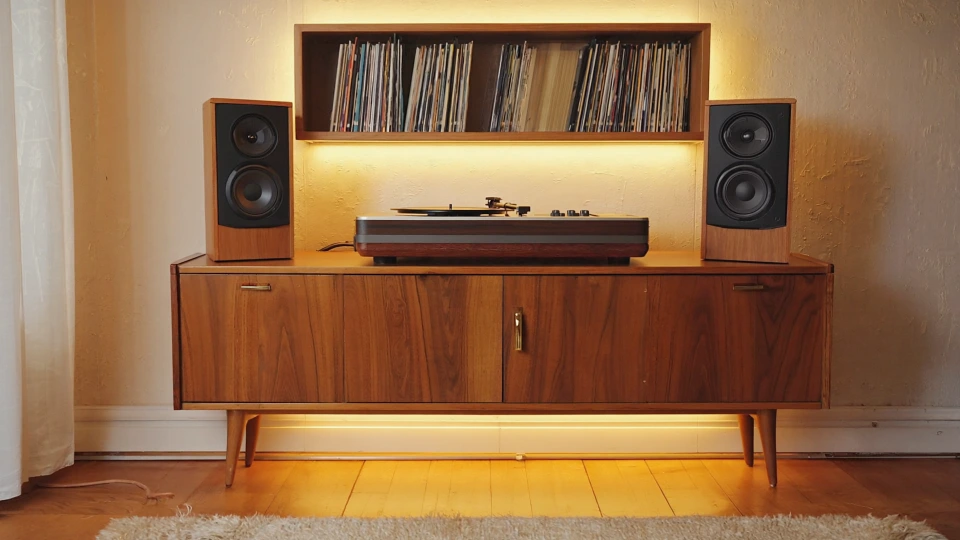
A vintage record player styled as both functional audio equipment and deliberate interior decor represents one of the most culturally resonant 70s apartment design ideas making a powerful comeback in contemporary living spaces. The warm, analog sound quality of vinyl records played through a beautifully designed turntable delivers an irreplaceable auditory experience that streaming services cannot replicate, while the physical ritual of selecting, handling, and playing records introduces a mindful, intentional quality to everyday apartment life that feels genuinely countercultural in the age of algorithmic playlists. The record player as a decorative centerpiece communicates personality, taste, and cultural depth instantly and authentically.
Styling a vintage or modern-retro turntable atop a teak credenza, surrounded by curated vinyl collections displayed in wall-mounted shelving, creates a visually rich, deeply personal apartment vignette that tells a compelling story about the inhabitant’s values and aesthetic sensibilities. Album covers from beloved artists displayed as wall art alongside the record player add graphic, colorful visual interest while reinforcing the music-centered 70s apartment design narrative powerfully. This authentic, story-rich apartment decorating idea consistently generates exceptional engagement on Pinterest and interior design platforms, particularly among millennial and Gen Z audiences who have rediscovered vinyl culture with genuine passion.
9. Hanging Planters and Indoor Jungle
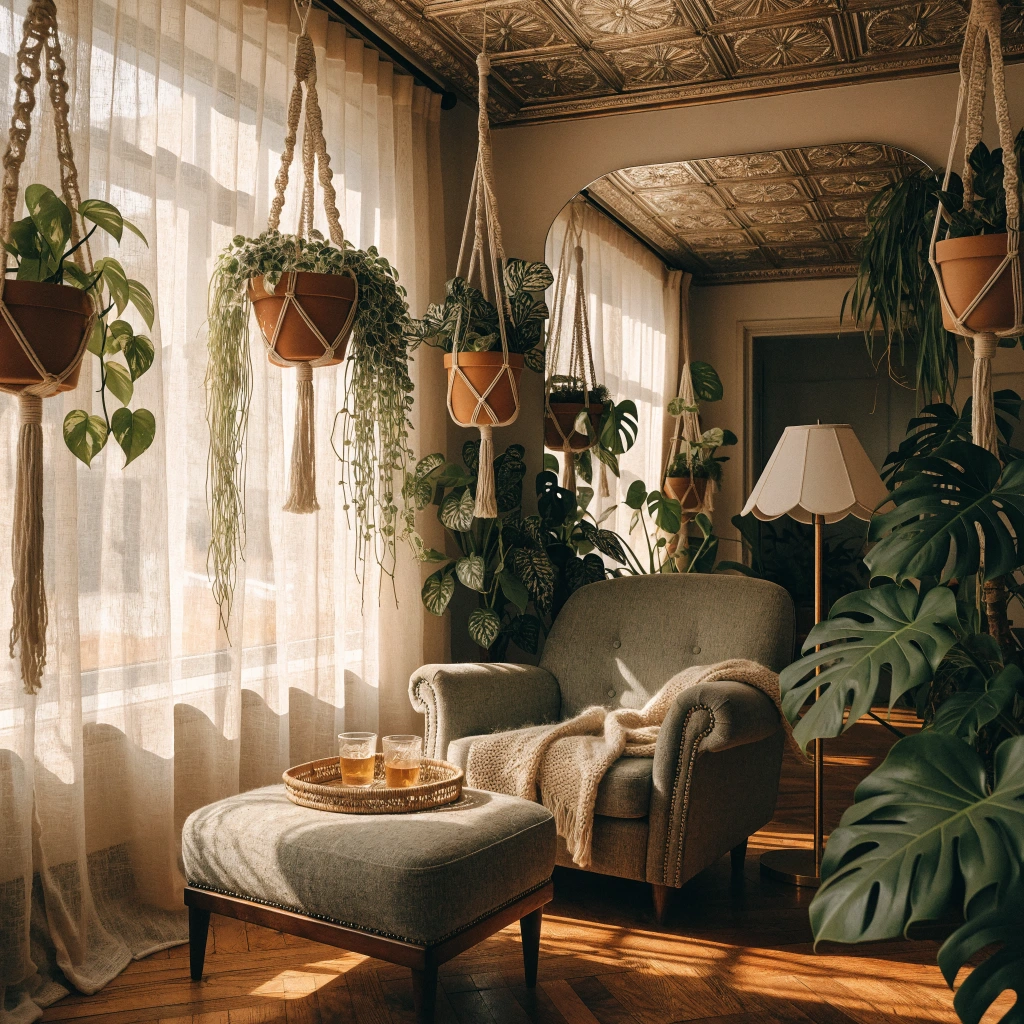
Hanging planters overflowing with trailing foliage and a densely planted indoor jungle aesthetic represent one of the most visually spectacular and life-affirming 70s apartment design ideas reclaiming passionate contemporary relevance across every major home decorating platform. The 1970s witnessed an unprecedented surge of interest in bringing nature indoors, with hanging macramé plant holders, tiered plant stands, and overflowing window sill collections transforming ordinary apartments into lush, breathing, oxygen-rich botanical sanctuaries. This deep human desire to coexist with living plants within domestic spaces has never felt more urgent or more aesthetically relevant than it does in the current era.
Building a 70s-inspired indoor plant collection means embracing the decade’s particular favorites — pothos, philodendrons, spider plants, Boston ferns, and Swiss cheese plants — plants that trail, climb, and cascade with dramatic tropical exuberance from shelves, ceiling hooks, and macramé hangers. The combination of hanging planters at multiple heights creates a layered, immersive green canopy effect that transforms apartment ceilings from neglected architectural afterthoughts into active, beautiful elements of the overall interior design composition. This biophilic 70s apartment design approach consistently inspires the strongest emotional responses on Pinterest, connecting with a widespread cultural yearning for natural beauty, living texture, and genuine organic vitality within urban apartment spaces.
10. Velvet Upholstery in Jewel Tones
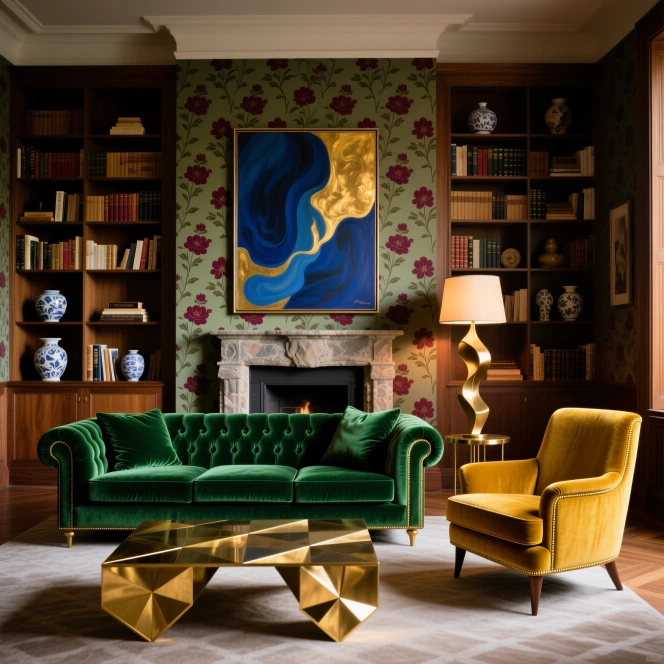
Velvet upholstery in rich, saturated jewel tones stands as one of the most undeniably luxurious and visually impactful 70s apartment design elements making an emphatic return to contemporary interior design consciousness. The extraordinary sensory quality of velvet — its shifting light-catching pile, its incomparable softness to the touch, its ability to absorb and reflect light differently from every angle — makes it uniquely capable of filling an apartment space with a warmth and opulence that no other upholstery fabric can match. Deep emerald green, sapphire blue, burnt amber, amethyst purple, and rich burgundy velvet sofas and armchairs transform ordinary apartment living rooms into genuinely sumptuous, immersive color environments.
Contemporary interior designers are pairing jewel-toned velvet sofas with brass and gold metal accents, dark stained wood furniture, and layered Persian-style rugs to create 70s-inspired apartment interiors that feel genuinely opulent without appearing period-costume theatrical. The visual depth created by a deeply saturated velvet sofa anchoring a living room composition provides a richness and complexity that neutral, performance-fabric sofas simply cannot deliver regardless of their practical superiority. This sensuous, color-forward 70s apartment design approach consistently performs among the highest-saved interior design ideas on Pinterest, reflecting a profound collective desire for apartment spaces that engage all the senses with genuine, unapologetic luxurious warmth.
11. Teak and Walnut Mid-Century Furniture
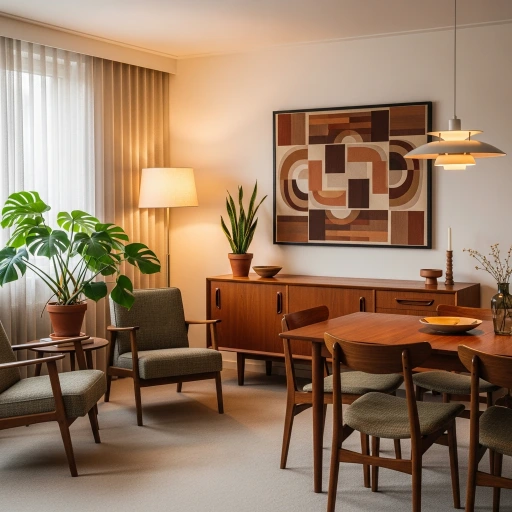
Teak and walnut mid-century modern furniture — the refined, beautifully crafted wood pieces that defined aspirational 1970s apartment living — have returned to the absolute forefront of contemporary interior design with a cultural authority that speaks to their genuinely timeless aesthetic and construction quality. The warm, richly grained surfaces of teak credenzas, walnut dining tables, and rosewood sideboards bring a material depth and natural beauty to apartment interiors that mass-produced flat-pack furniture categorically cannot replicate, regardless of price point or design ingenuity. The organic warmth of these real wood tones creates an immediate sense of quality, permanence, and considered living that resonates powerfully with contemporary apartment dwellers.
The distinctive design vocabulary of 70s-era teak and walnut furniture — tapered legs, clean horizontal lines, integrated hardware, and beautifully proportioned forms — integrates remarkably seamlessly with contemporary apartment aesthetics, creating layered, characterful interiors that feel genuinely designed rather than simply assembled from current catalog offerings. Sourcing original pieces through vintage dealers, estate sales, and specialist mid-century modern resellers provides both authentic design quality and a sustainability narrative that appeals strongly to environmentally conscious contemporary consumers. This enduringly beautiful 70s apartment furniture aesthetic consistently earns the highest engagement metrics across all interior design platforms, reflecting its unique position as both a genuine historical design achievement and a timeless standard of domestic beauty.
12. Geometric and Abstract Wallpaper
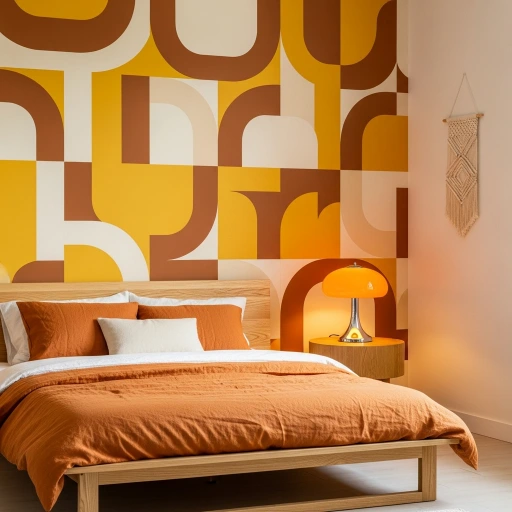
Bold geometric and abstract wallpaper patterns are making one of the most visually dramatic comebacks in contemporary apartment design, reclaiming the unapologetically graphic, psychedelic energy that made 1970s interior decoration so visually distinctive and culturally memorable. Large-scale geometric prints in the decade’s signature color combinations — warm mustard and brown, burnt orange and cream, olive and rust — transform single accent walls into powerful art installations that anchor entire apartment room compositions with remarkable confidence and visual authority. The willingness to commit to bold pattern that characterized 70s apartment design represents a refreshing antidote to the neutral, pattern-averse minimalism that dominated interior design for the previous two decades.
Contemporary geometric wallpaper prints honor the spirit and visual language of original 1970s designs while offering improved print quality, more sophisticated color calibration, and environmentally friendly production methods that make them genuinely appropriate for modern apartment installation. The strategic application of a single statement wallpapered wall — behind a bed headboard, along a dining room feature wall, or framing a living room sofa — allows apartment dwellers to embrace the boldness of 70s graphic design without overwhelming smaller spaces. This confident, design-forward 70s apartment idea consistently generates exceptional Pinterest saves from audiences seeking ways to introduce genuine visual personality and artistic boldness into their living spaces.
13. Mushroom and Earth-Tone Table Lamps
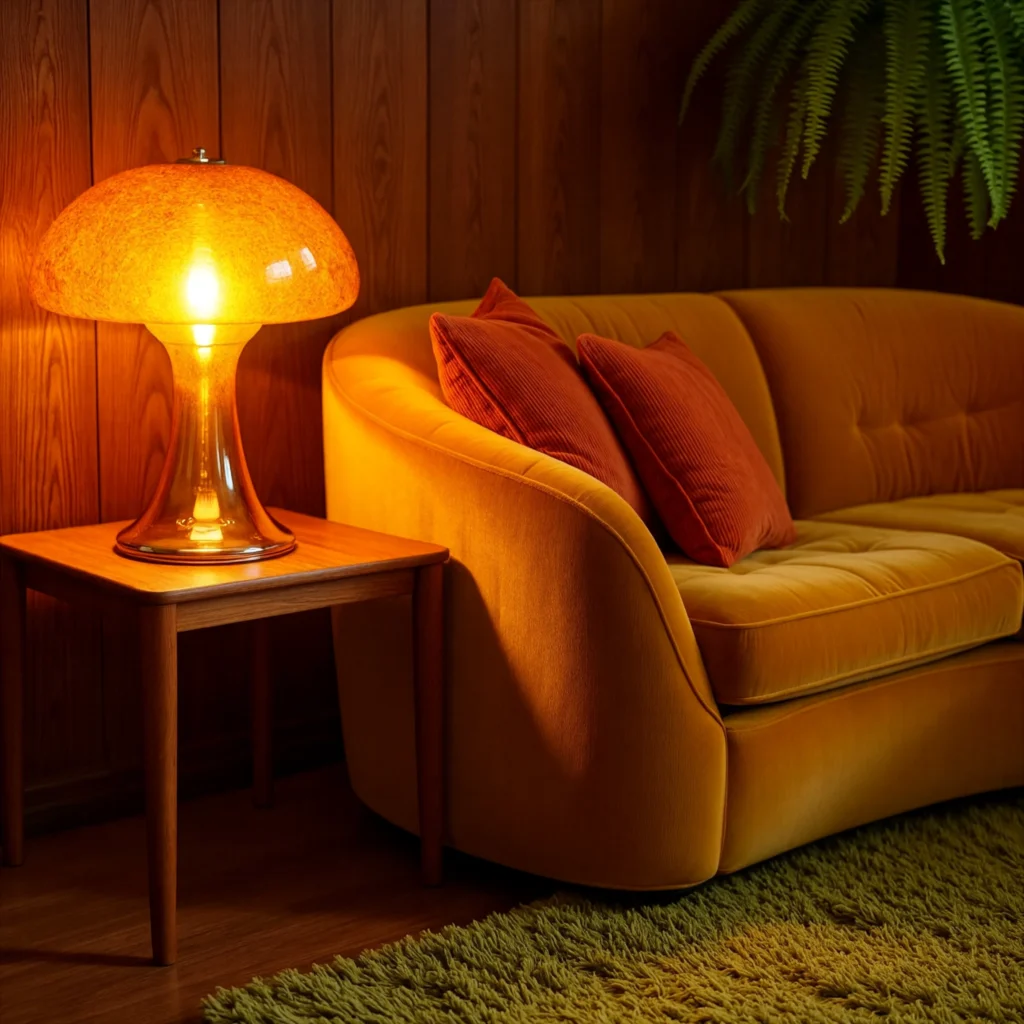
The iconic mushroom-shaped table lamp — with its distinctive organic silhouette, warm amber or smoked glass shade, and soft diffused glow — has re-emerged as one of the most widely recognized and enthusiastically embraced 70s apartment design accessories in contemporary interior styling. Originally popular throughout the 1970s for its sculptural, quasi-organic form that balanced modernist clean lines with a warmth and softness absent from more rigidly geometric contemporary designs, the mushroom lamp now occupies prominent positions on design blogs, Pinterest boards, and interior styling shoots globally. Its warm, enveloping light quality creates precisely the intimate, cozy atmosphere that modern apartment dwellers increasingly crave.
Pairing mushroom table lamps with complementary 70s-inspired lighting elements — arc floor lamps, smoked glass pendant fixtures, and amber-toned wall sconces — creates a layered, atmospheric lighting scheme that transforms apartment evenings into genuinely warm, immersive sensory experiences. The sculptural quality of well-designed mushroom lamps means they function simultaneously as functional lighting and decorative art objects, earning their prominent placement on teak side tables and credenzas even when switched off during daylight hours. This quietly distinctive 70s apartment design accessory generates consistent, enthusiastic engagement on Pinterest interior design boards, particularly among audiences building cohesive retro-inspired apartment aesthetics with careful attention to every atmospheric detail.
14. Beaded Curtains as Room Dividers
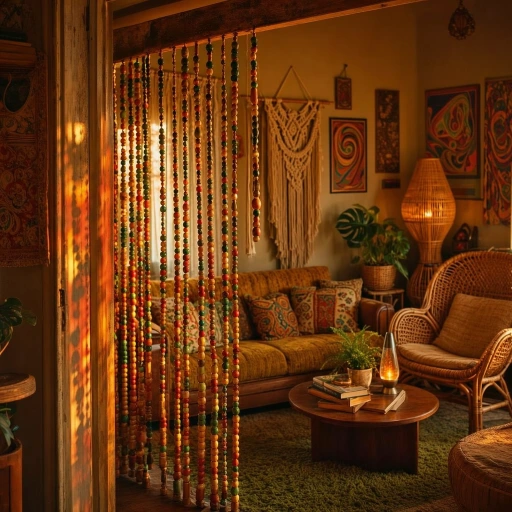
Beaded curtains hanging in apartment doorways and open plan space dividers are returning to contemporary interiors as one of the most playfully nostalgic and genuinely functional 70s apartment design ideas currently enjoying enthusiastic cultural rehabilitation. Originally omnipresent throughout 1970s apartments as casual, characterful alternatives to solid doors that allowed air circulation while creating psychological spatial definition, beaded curtains now appear in the homes of forward-thinking interior designers who appreciate their unique ability to add movement, color, and bohemian personality to apartment spaces instantly and affordably. Every gentle breeze transforms a beaded curtain into a kinetic, light-catching installation.
Contemporary interpretations of the 70s beaded curtain embrace a wide range of materials beyond the original wooden and plastic beads — crystal beads, hammered metal discs, natural shells, and bamboo rods create sophisticated, elevated versions that honor the original spirit while delivering a genuinely refined aesthetic suitable for adult apartment spaces. Hanging beaded curtains between a living room and kitchen, or framing a bedroom doorway, creates intimate spatial definition within open-plan apartments without the visual heaviness or architectural permanence of walls or solid doors. This characterful, movement-filled 70s apartment design idea photographs particularly beautifully in natural light, generating consistent visual interest and Pinterest engagement.
15. Sunburst and Starburst Wall Mirrors
The sunburst and starburst wall mirror — radiating golden metallic rays from a central reflective disc in a design that celebrates light, optimism, and bold decorative confidence — stands as one of the most visually iconic 70s apartment design objects making an extraordinarily strong comeback in contemporary interior spaces. Originally popularized in the 1970s as a glamorous, statement-making wall accessory that simultaneously reflected light, created the illusion of expanded space, and served as genuine decorative art, the sunburst mirror has returned to interior design prominence with the full endorsement of leading contemporary stylists and interior designers worldwide. Its golden, light-amplifying presence transforms any apartment wall instantly.
Positioning a large sunburst mirror above a fireplace mantel, console table, or bedroom dresser creates an immediate focal point of remarkable visual power that elevates the entire surrounding apartment interior with its radiating, optimistic energy. The warm gold tones of metal sunburst mirrors complement virtually every 70s-inspired apartment color palette — terracotta walls, olive textiles, walnut furniture, and velvet upholstery all find a harmonious visual partner in the mirror’s warm metallic rays. This bold, beautiful 70s apartment design accessory consistently ranks among the highest-engagement interior decor items on Pinterest, beloved equally for its ability to amplify natural light and its irresistible retro glamour that feels genuinely timeless rather than strictly period-specific.
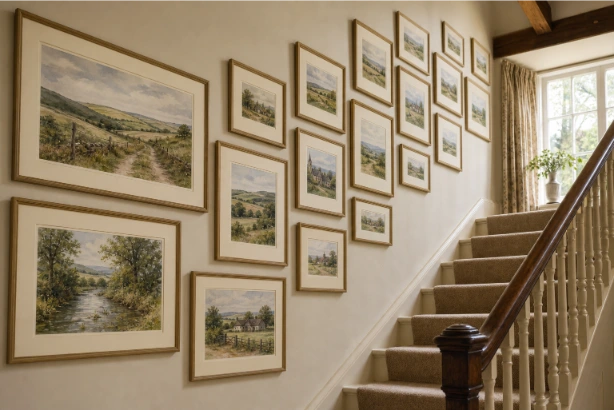
16. Conversation-Starting Gallery Walls with Retro Art
A thoughtfully curated gallery wall featuring original 70s abstract art prints, vintage travel posters, retro typography, and psychedelic illustration creates one of the most personality-rich and visually engaging 70s apartment design features available to contemporary renters working within typical budget and wall-space constraints. The 1970s produced some of the most graphically adventurous, color-saturated, and conceptually bold printed artwork in modern design history, and this visual language — warm earth tones, bold geometric abstraction, expressive figure drawing, and liberated typographic experimentation — translates powerfully onto contemporary apartment walls with immediate aesthetic impact. A well-composed gallery wall communicates the inhabitant’s visual intelligence and cultural depth.
Building a cohesive 70s-inspired gallery wall means sourcing art with a consistent color story — warm mustards, burnt oranges, olive greens, and deep browns repeated across different prints create visual harmony despite variations in subject matter, style, and scale. Mixing original vintage finds from thrift stores and estate sales with quality art print reproductions available from independent online printmakers creates an authentic, layered collection that evolves organically over time rather than arriving as a pre-packaged, perfectly matched set. This deeply personal, endlessly customizable 70s apartment design idea generates powerful emotional connections on Pinterest because it reminds audiences that the most compelling apartment interiors are built gradually, thoughtfully, and with genuine curatorial intention.