16 Contemporary Facade Ideas That Redefine Modern Architecture
1. Weathering Steel Corten Facade
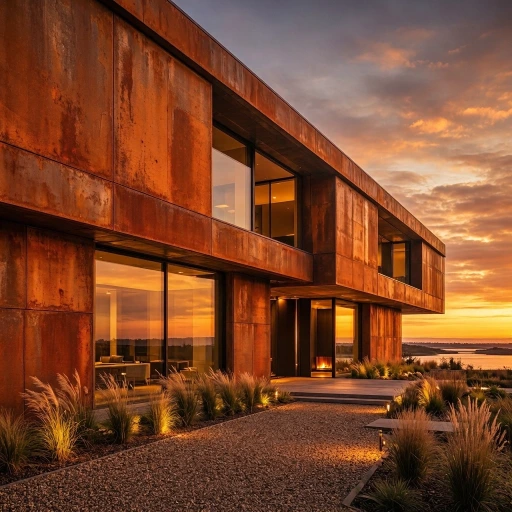
A weathering Corten steel facade is the single most dramatically beautiful and the most materially sophisticated contemporary facade material available, developing an extraordinary warm rust-orange patina through controlled surface oxidation that simultaneously protects the steel from further corrosion and creates a living facade surface that deepens, enriches, and becomes progressively more beautiful with every passing year of weather exposure and natural environmental aging.
Specify Corten steel panels with a minimum thickness of 5mm for facade applications, ensuring sufficient material weight to resist wind loading and thermal movement without buckling or visible distortion across large uninterrupted panel faces. The panel joint design is the most critical aesthetic detail — shadow-gap joints of 10 to 15mm depth create the most sophisticated and the most architecturally resolved panel articulation available within the Corten facade system.
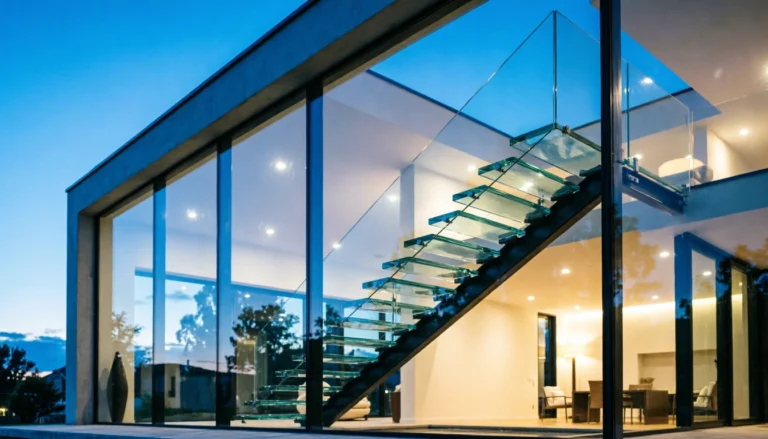
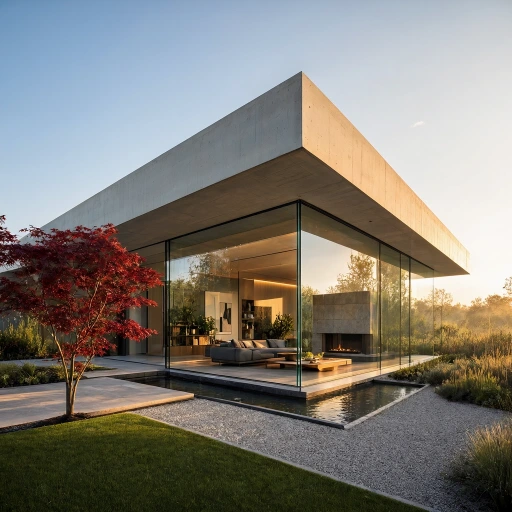
2. Full-Height Glazed Corner with No Visible Frame
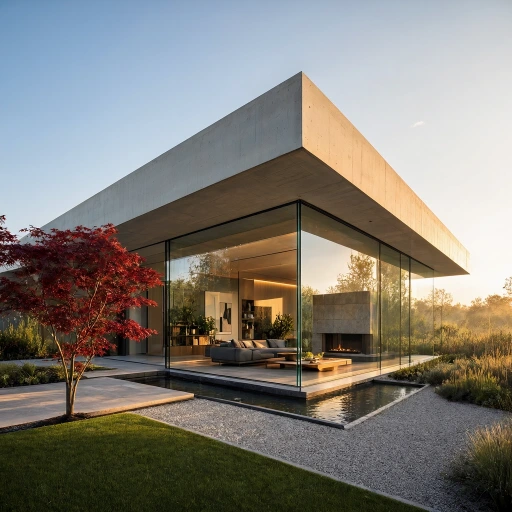
A full-height frameless glazed corner with no visible structural mullion creates the single most architecturally dramatic and the most technically ambitious transparency statement available to contemporary facade design, appearing to dematerialize the building’s solid corner into pure glass and completely dissolving the conventional architectural distinction between interior space and exterior landscape in the most visually spectacular and the most spatially liberating way imaginable.
Achieve the frameless corner through structural silicone bonding of two full-height glass units meeting at a precisely mitered 90-degree angle — the silicone joint typically 10 to 12mm wide creating an almost invisible glass-to-glass connection of extraordinary visual refinement. The structural glass specification must account for the cantilevered building edge’s combined wind, thermal, and seismic loads through the glass itself rather than through a conventional structural frame.
3. Black Pigmented Concrete with Vertical Timber Battens
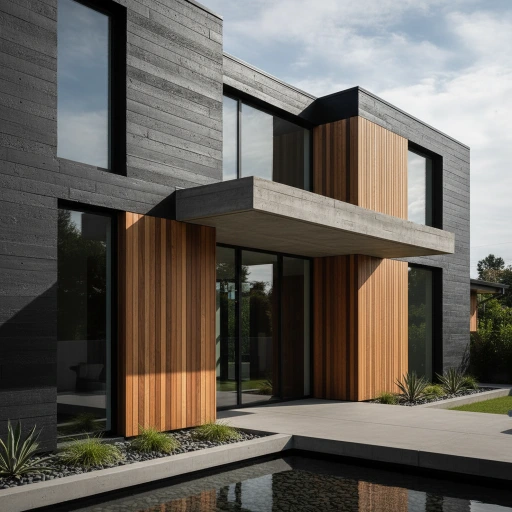
Black pigmented board-formed concrete combined with vertical natural cedar timber battens creates the most powerful and the most materially sophisticated dark contemporary facade available, because the two materials’ complementary visual characters — the concrete’s heavy, monolithic, shadow-absorbing mass contrasting against the timber battens’ warm, linear, light-reflecting rhythm — create a facade of genuine material complexity and continuously interesting textural dialogue across its complete surface.
Specify the board-formed concrete with a deliberately regular formwork pattern — horizontal boards of consistent 150mm width creating a readable horizontal grain across the dark concrete surface — that contrasts intentionally with the vertical cedar battenwork to create a deliberate orthogonal material weave of genuine visual sophistication. The cedar battens should be air-dried rather than kiln-dried for the most natural and the most beautiful color variation.
4. Pixelated Perforated Metal Screen
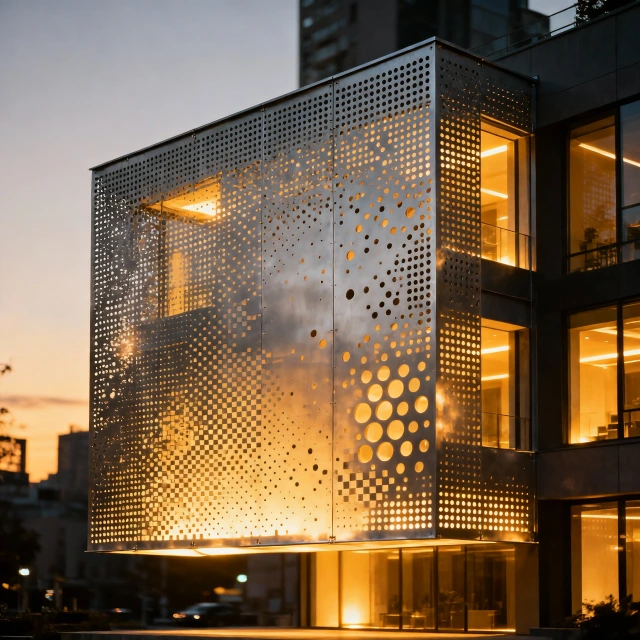
A perforated aluminium screen with a pixelated gradient hole pattern floating in front of the primary facade creates the most visually complex and the most dynamically changing contemporary facade available, because the screen’s appearance transforms completely throughout the day — appearing as a solid geometric surface in bright daylight, as a semi-transparent veil in oblique light, and as a luminous glowing lantern as interior lighting becomes dominant at dusk.
Design the perforation pattern using computational parametric tools that can generate gradient patterns of infinite complexity from simple algorithmic rules — varying hole diameter, hole spacing, and hole distribution in response to facade orientation, privacy requirements, solar shading performance targets, and the specific visual image or pattern narrative the architecture is attempting to communicate through the perforated screen’s complete surface area.
5. Rammed Earth Walls with Glazed Openings
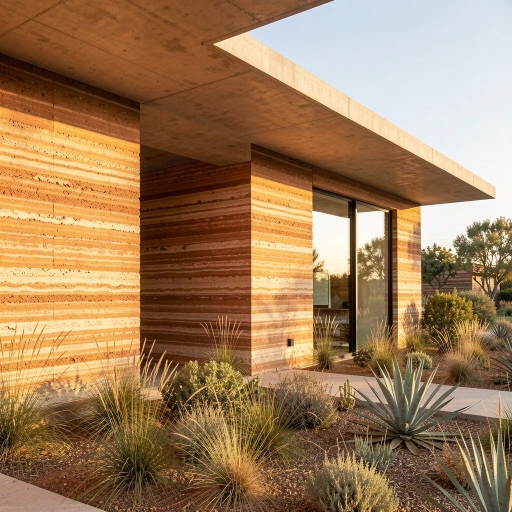
Rammed earth walls with their extraordinary natural horizontal stratification layers in warm terracotta, ochre, and cream earth tones create the most genuinely beautiful and the most naturally sustainable contemporary facade material available, because every rammed earth wall is unique — its specific color combination, layering pattern, and surface texture determined entirely by the particular soil and mineral composition of its specific geographical source location and its specific construction process.
Specify a minimum 300mm wall thickness for structural rammed earth construction — the substantial wall depth creating deep reveals at all window and door openings that contribute dramatically to the facade’s visual weight, shadow quality, and the interior’s thermal mass performance characteristics. Commission from specialist rammed earth contractors whose experience with the specific soil specification, moisture content control, and compaction technique produces the most consistent and the most beautiful results.
6. Origami-Folded Zinc Roof and Facade
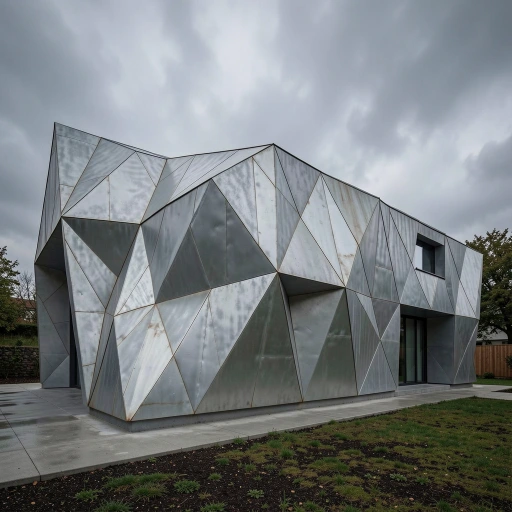
An origami-folded zinc facade and roof in a seamlessly continuous cladding system creates the most sculpturally dramatic and the most architecturally ambitious contemporary facade available, treating the building’s complete external envelope as a single geometric origami composition whose precisely folded planes, sharp angular intersections, and dynamic shadow-casting geometry transform the conventional architectural distinction between wall and roof into a unified, continuously folded sculptural surface of extraordinary formal beauty.
Specify pre-patinated zinc — Rheinzink’s graphite-grey or Nedzink’s Nordic Green — for the most sophisticated and the most immediately beautiful zinc color that eliminates the uneven patination development period of uncoated bright zinc and provides a consistent, refined surface color from the moment of installation. The folded geometry requires a specialist zinc fabricator with CNC cutting capability and precision bending equipment appropriate to the complex three-dimensional geometry.
7. Brick Screen Wall with Angled Projecting Bricks
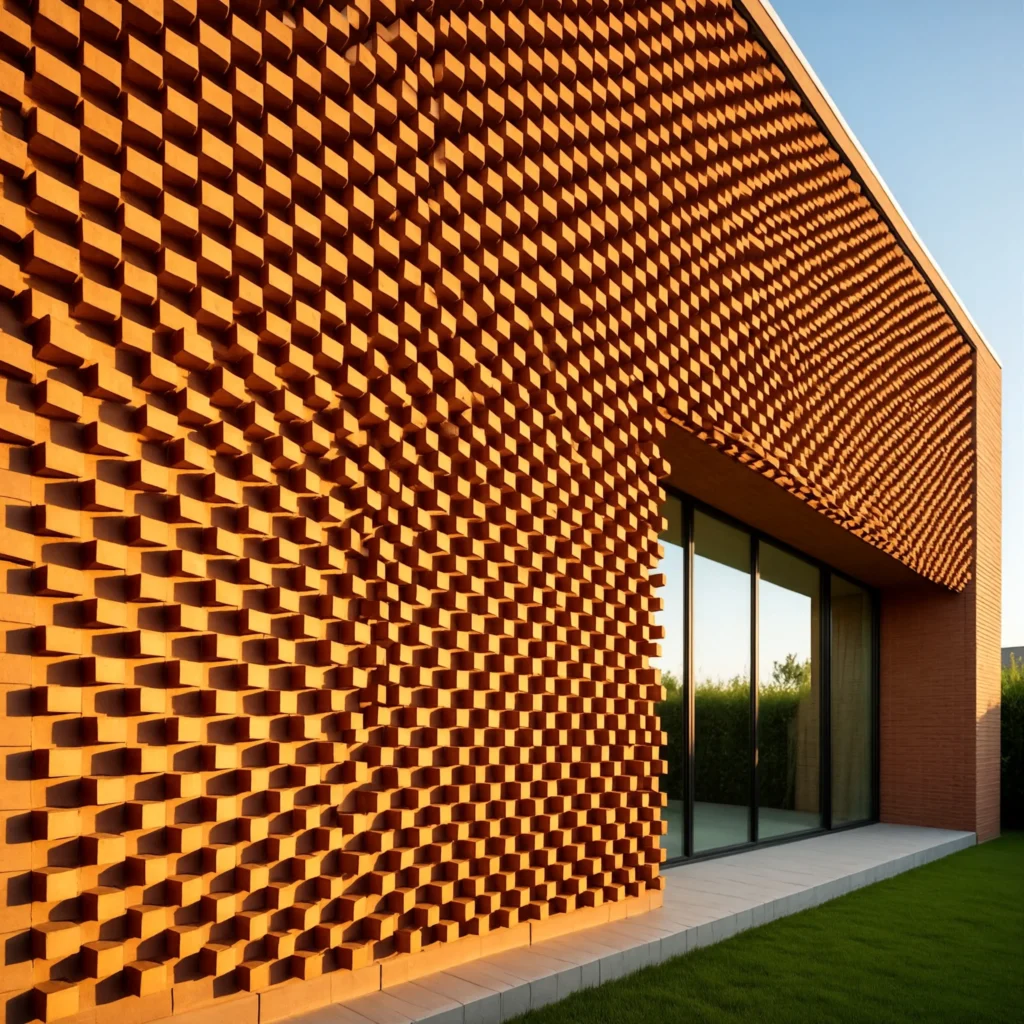
A brick screen wall with individually angled projecting bricks creating a three-dimensional textured surface is the most laboriously crafted and the most visually extraordinary contemporary brick facade available, transforming the conventionally flat plane of a conventional brick wall into a complex sculptural relief of continuously shifting shadow patterns whose appearance changes dramatically throughout the day as the sun’s angle changes and the projecting brick array casts progressively different shadow compositions.
Design the brick projection pattern using computational tools that generate the optimal projecting angle sequence for maximum shadow variation across the specific facade’s solar orientation — the projection angles and their distribution pattern being the most critical design decision determining both the facade’s visual character and its solar shading performance for the occupied spaces immediately behind the screen wall.
8. Green Living Wall Facade
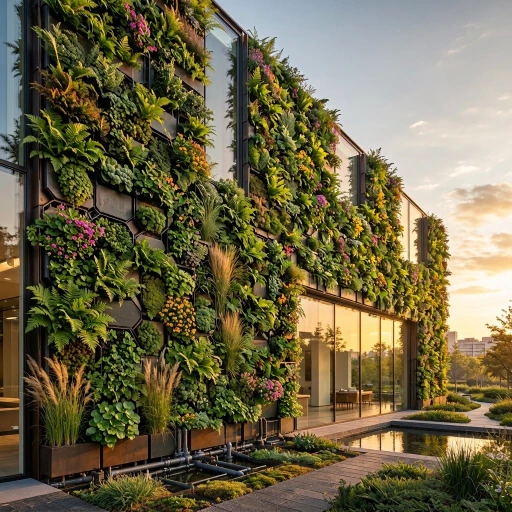
A complete green living wall covering the entire primary facade in a dense botanical carpet of ferns, sedums, grasses, and seasonal flowering plants creates the most dramatically alive and the most genuinely environmentally positive contemporary facade available, because a properly designed and maintained living wall simultaneously provides exceptional thermal insulation, significant stormwater management, meaningful urban biodiversity habitat, and the most extraordinary visual contribution to the building’s street presence and urban landscape context.
Specify a modular hydroponic growing medium system from specialist green wall manufacturers — Mobilane, Sempergreen, or Biotecture — whose engineered panel system provides reliable plant establishment, consistent irrigation distribution, and adequate growing medium depth for the specified plant palette’s root zone requirements. A dedicated building management system with automated irrigation, fertilization, and monitoring is essential for maintaining the living wall’s visual quality over the building’s complete operational lifespan.
9. Floating Timber Box Volumes
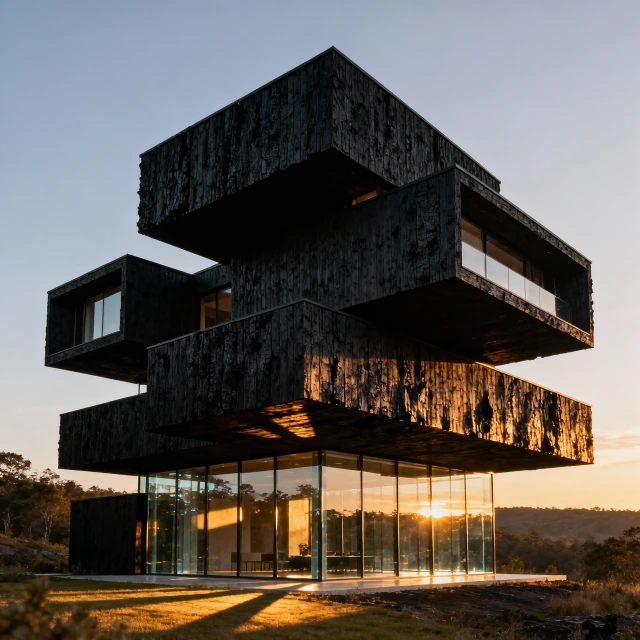
Floating timber box volumes clad in charred Shou Sugi Ban timber cantilevering over a transparent glazed ground floor creates the most dramatic and the most architecturally sophisticated contemporary house composition available, creating a powerful visual tension between the heavy, dark, opaque mass of the upper timber volumes and the transparent, weightless quality of the glazed ground floor that appears to float the solid boxes above the ground in defiance of gravitational expectation.
Specify Shou Sugi Ban charred timber from specialist suppliers — Kebony, Abodo, or a traditional Japanese charring specialist — using species with the most dramatic charred surface texture available: Accoya, Siberian larch, or Japanese sugi cedar whose charred surface achieves the most deeply carbonized and the most beautifully textured result. The charring depth specification — from light surface char to deep char — determines both the surface’s visual drama and its durability.
10. Translucent Polycarbonate Panels with Integrated LED
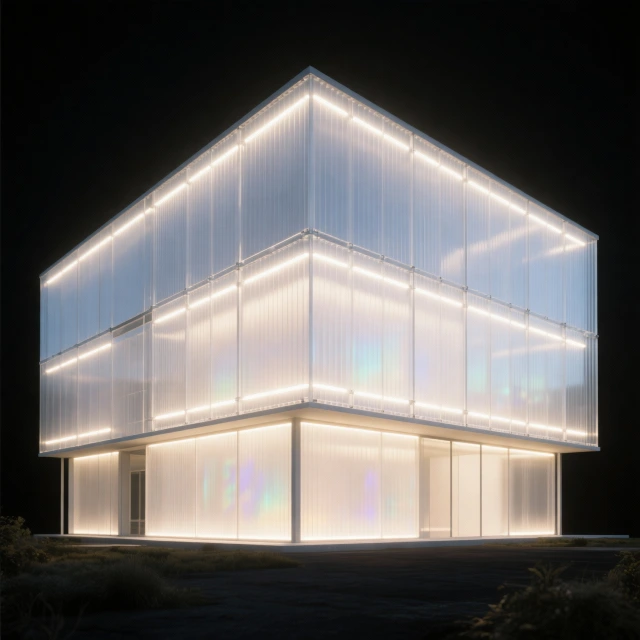
A complete facade of translucent multi-wall polycarbonate panels with integrated LED lighting creates the most spectacularly luminous and the most dramatically nocturnal contemporary building facade available, transforming the building into a glowing lantern of extraordinary visual power after dark — an effect of such complete and genuinely spectacular beauty that it fundamentally changes the building’s relationship to its immediate urban or landscape context at the specific hours when it most powerfully and most memorably communicates.
Specify multi-wall polycarbonate panels in 32mm or 40mm thickness for the most uniform and the most diffused light transmission quality — the multiple internal cell walls distributing light evenly across the complete panel face without visible hot spots at LED source positions. The LED specification must address color temperature, color rendering, dimming capability, and the projected operational lifespan required for a genuinely durable facade lighting installation.
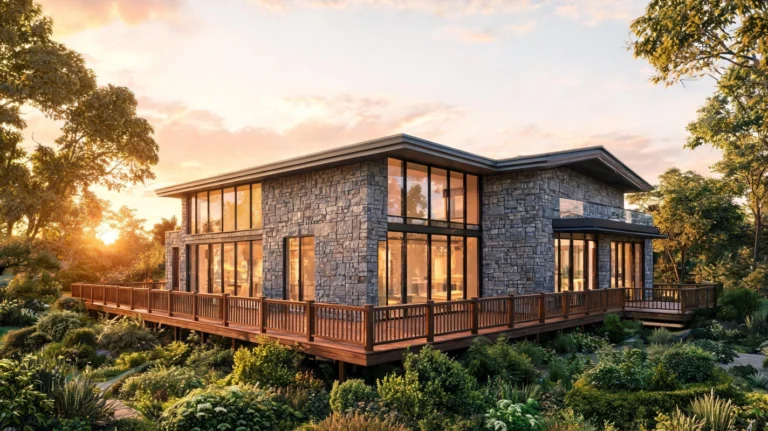
11. Concrete and Stone Combination Facade
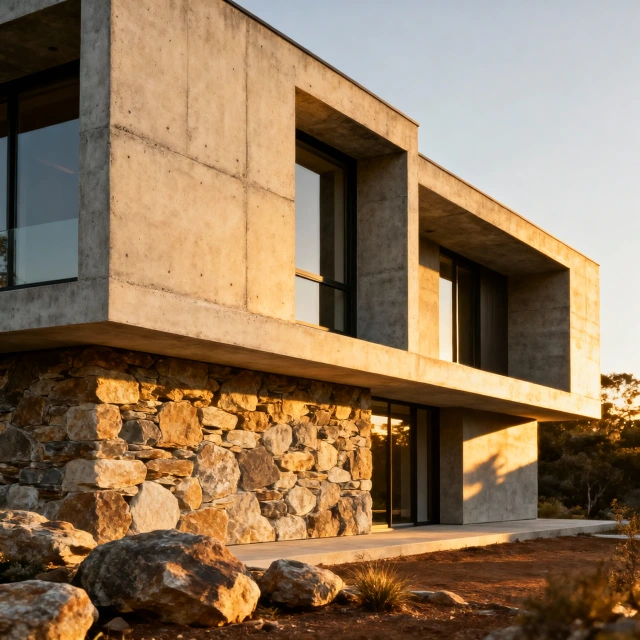
A combination facade using board-formed concrete for the upper zone and natural stone cladding for the lower zone creates the most materially grounded and the most geologically connected contemporary facade available, because the deliberate material transition at floor slab height creates a horizontal datum that reads as an authentic geological stratification — the heavier, more permanent stone anchoring the building to its ground plane while the concrete above reads as the more precisely engineered human intervention above.
Choose stone from the building’s specific local geological context — the same stone type visible in the surrounding landscape’s natural rock outcroppings or traditionally used in the region’s historic buildings — for the most architecturally authentic and the most environmentally locally responsive facade material decision available. The local geological connection transforms the material choice from purely aesthetic to genuinely site-specific and genuinely meaningful.
12. Folded Aluminium Cassette Facade
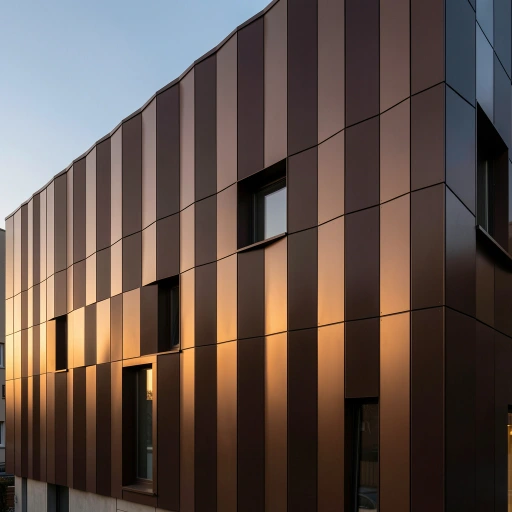
A folded aluminium cassette system in matte dark bronze anodized finish creates the most precisely engineered and the most consistently reproducible contemporary metal facade available, because the cassette format’s factory-fabricated folded aluminium panels achieve the most controlled dimensional accuracy, the most consistent finish quality, and the most efficient installation sequence of any metal facade system — combining genuine design sophistication with the highest available construction quality control.
Specify the cassette fold depth — the dimension from the primary facade plane to the cassette’s returned edge — as the most critical dimensional design parameter: shallow folds of 20 to 30mm creating a subtle surface texture, medium folds of 50 to 75mm creating clear shadow lines, and deep folds of 100mm or greater creating dramatically sculptural shadow geometry. Each fold depth range produces a genuinely different facade character.
13. Exposed Structural Cross-Laminated Timber
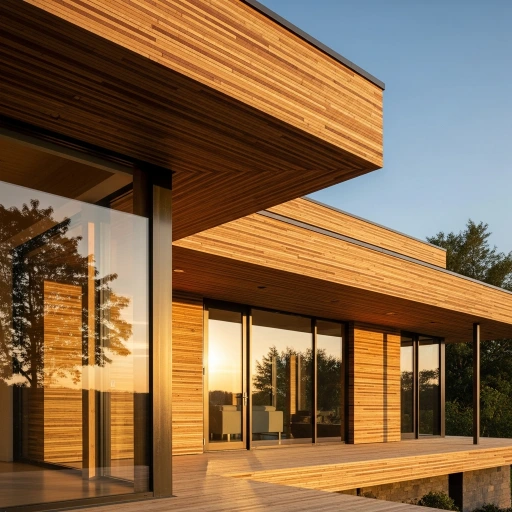
Exposed cross-laminated timber structure visible on the exterior facade through generous glazing creates the most materially honest and the most structurally expressive contemporary facade available, celebrating the engineered timber’s extraordinary structural capability while simultaneously communicating the building’s environmental sustainability credentials through the most immediately visible, the most emotionally warm, and the most architecturally beautiful structural material available to contemporary sustainable construction worldwide.
Specify CLT panels with a face laminate of the highest visual grade available — the face laminate’s timber species and grade selection being the most significant factor determining the exposed CLT’s visual quality. European spruce or Douglas fir in a vertical grain face laminate creates the most refined and the most uniformly beautiful face appearance for exposed CLT applications where the structural panel is the primary facade aesthetic element.
14. Ceramic Tile Facade with Custom Glaze Pattern
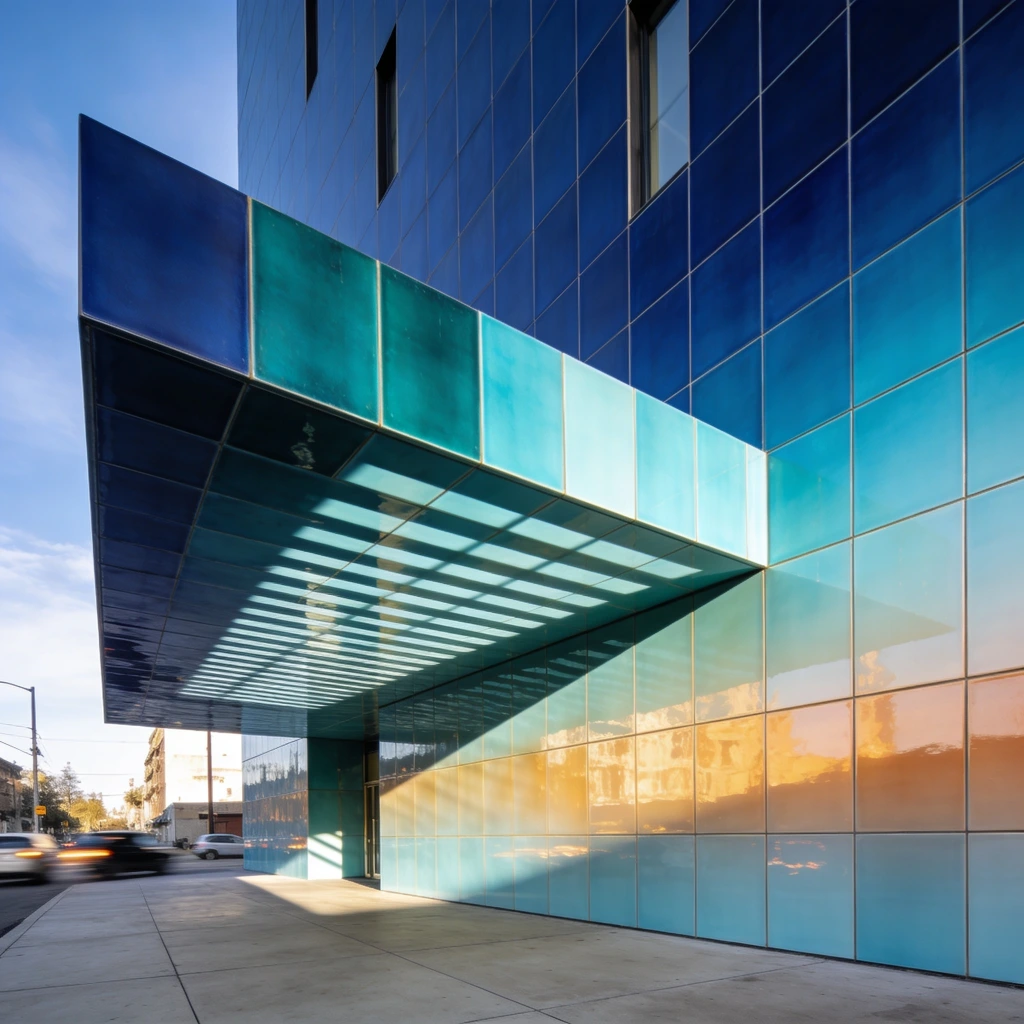
A custom-glazed large-format ceramic tile facade with a gradient color pattern flowing from deep cobalt to pale aqua creates the most artistically ambitious and the most genuinely unique contemporary facade available, because the custom-glazed ceramic tile’s specific color depth, surface reflectivity, and color variation within each individual tile creates a facade of genuinely extraordinary visual richness that cannot be replicated through any other facade material regardless of its inherent qualities or production sophistication.
Commission the custom ceramic tiles from a specialist architectural tile manufacturer capable of producing large-format tiles — minimum 600mm by 900mm — with precisely controlled glaze color gradients applied through digital printing technology onto a high-fired stoneware body of sufficient frost resistance and mechanical durability for permanent exterior facade application in the specific climate conditions of the building’s actual site location.
15. Double-Skin Glass Facade with Operable Louvers
A double-skin glass facade with operable aluminium louvers in the ventilated cavity between inner and outer glass skins creates the most environmentally sophisticated and the most technically ambitious contemporary facade system available, because the double-skin configuration simultaneously provides the visual transparency and openness of an all-glass facade while the intermediate louver layer delivers solar shading, glare control, natural ventilation assistance, and acoustic insulation performance far superior to any single-skin glass facade alternative.
Design the louver blade geometry and spacing to optimize solar shading at the critical solar altitude angles specific to the building’s latitude and facade orientation, using facade thermal simulation software to model the hourly solar gain reduction achieved by each louver configuration option and select the blade angle, spacing, and reflectivity specification that achieves the best balance of solar performance and visual transparency from the occupied interior spaces.
16. Parametric Facade with 3D-Printed Concrete Panels
A complete facade of 3D-printed concrete panels with complex parametric surface geometry — flowing organic relief patterns of waves, cellular structures, or branching networks impossible to produce through conventional formwork construction — creates the most technologically advanced and the most formally unprecedented contemporary facade available, representing the very frontier of digital fabrication’s contribution to architectural surface design and the most ambitious current expression of computational design translated directly into physical building material.
Specify robotic concrete printing from specialist architectural concrete fabricators — Holcim, WASP, or Contour Crafting — whose large-format concrete printing systems achieve the most consistent material deposition quality, the most accurate geometric reproduction of complex digital models, and the most reliable structural integration of reinforcement within the printed concrete panel cross-section required for safe permanent facade installation on an occupied building.