16 Maximalist Exterior Design Ideas and Architecture Guide
1. Bold Color Block Facades
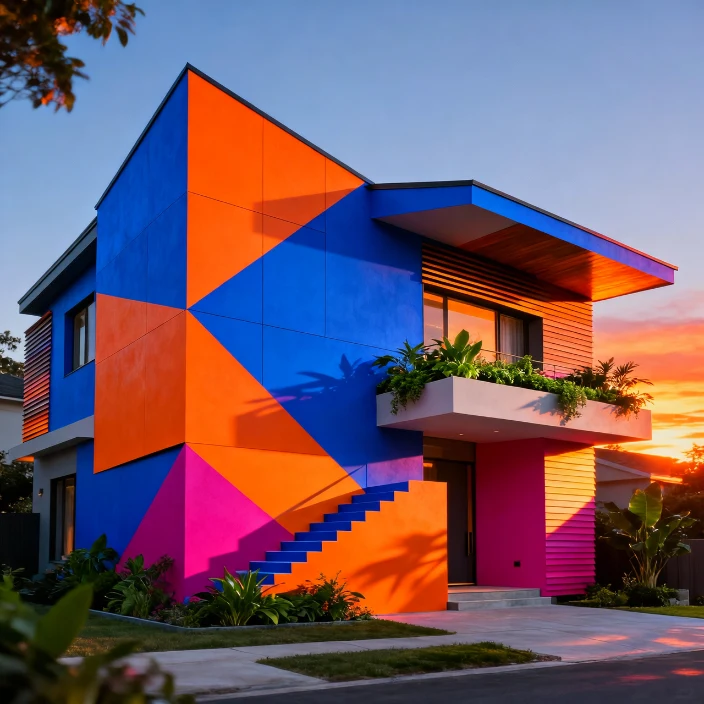
Maximalist exterior design embraces fearless use of color, and color-block facades are the perfect starting point. Instead of subtle tones, different sections of the home are painted in bold, contrasting hues such as cobalt blue, terracotta, mustard, or emerald green. This creates a dynamic, artistic look that immediately grabs attention and expresses personality.
The key is balancing intensity with structure so the home still feels architectural rather than chaotic. Clean lines and geometric shapes help organize the visual impact. When done well, color blocking transforms a house into a statement piece that feels energetic, expressive, and unforgettable.
2. Ornamental Facade Details
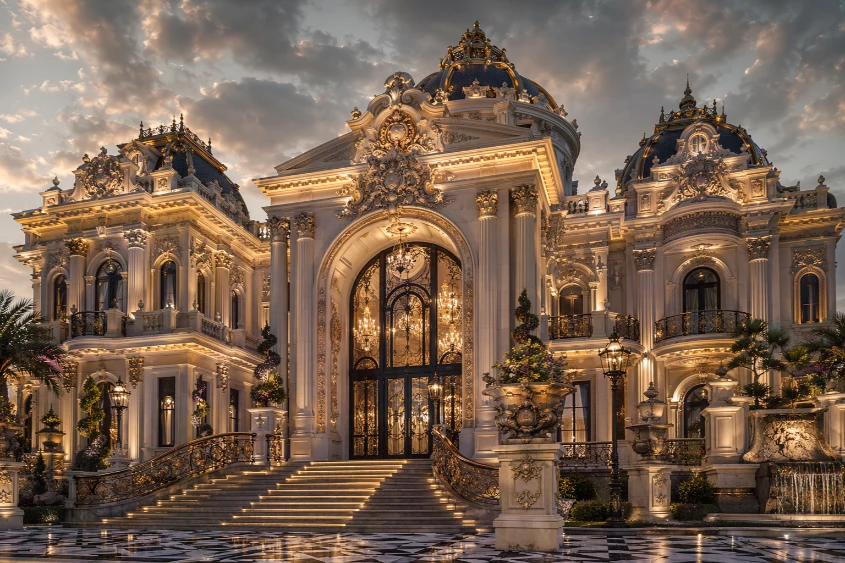
Ornamental detailing is a hallmark of maximalist architecture, where more is always more. Intricate moldings, carved stonework, decorative trims, and layered textures add depth and richness to the exterior. Every surface becomes an opportunity for visual storytelling.
These details work best when combined with symmetry or strong architectural framing. The goal is to create a façade that feels luxurious and expressive rather than overwhelming. This approach celebrates craftsmanship and turns the home into a visually captivating masterpiece.
3. Mixed Material Explosion
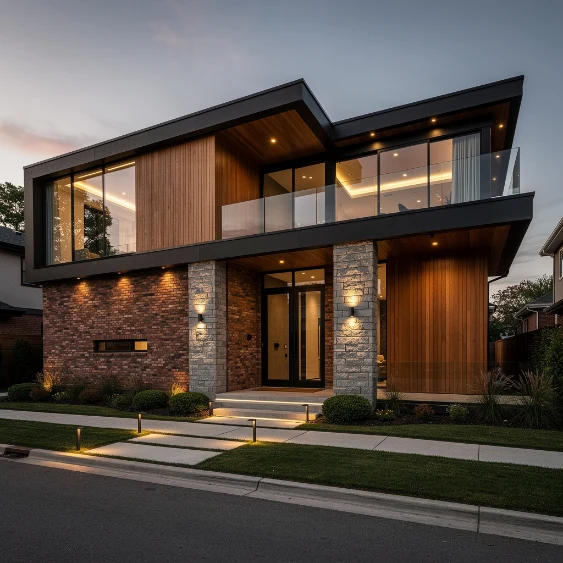
Maximalist design thrives on combining multiple materials in a single façade. Brick, stone, wood, glass, and metal can all coexist, creating a rich tapestry of textures. The contrast between rough and polished surfaces adds complexity and visual excitement.
To avoid visual chaos, repeat materials strategically across the structure. For example, echo wood accents in balconies or windows. This layered approach gives the home a curated yet abundant aesthetic that feels bold and intentional.
4. Dramatic Rooflines
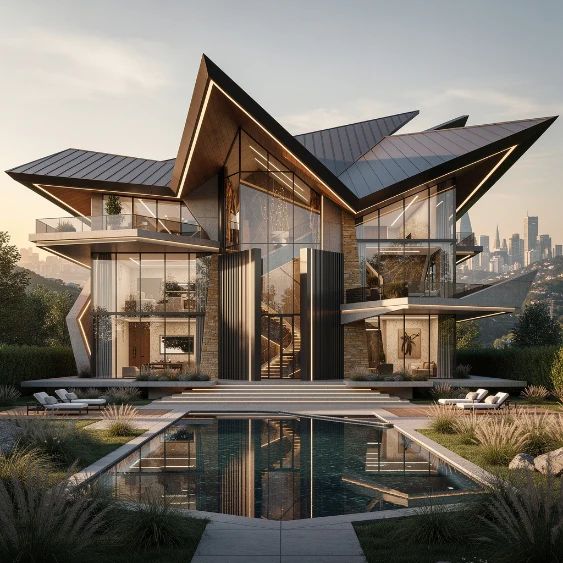
Dramatic rooflines are a defining feature of maximalist exteriors. Instead of simple flat or gabled roofs, these homes feature multiple angles, peaks, and overlapping forms. The silhouette becomes sculptural and visually striking.
This architectural complexity adds movement and personality to the structure. Combined with bold materials or colors, the roofline becomes a focal point. It ensures the home stands out even from a distance, creating a powerful first impression.
5. Patterned Exterior Tiles
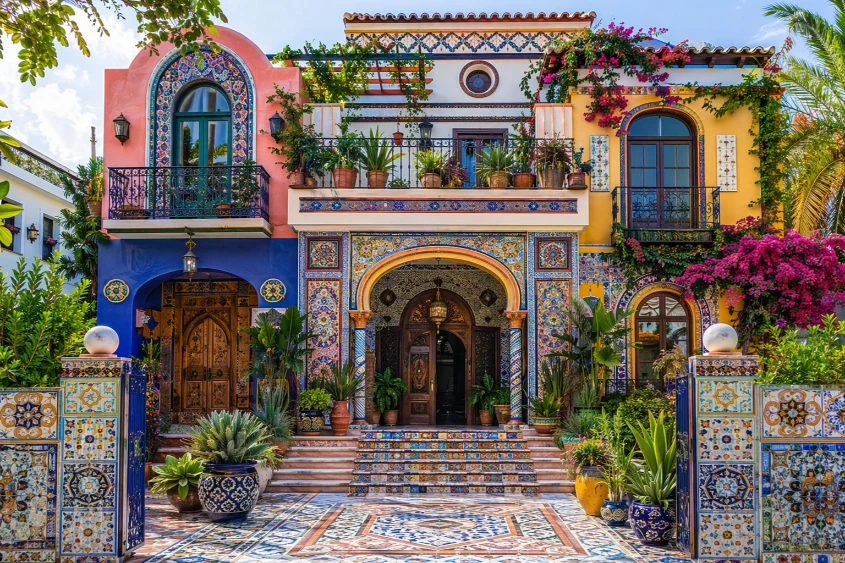
Patterned tiles bring vibrancy and cultural richness to maximalist architecture. From geometric mosaics to floral-inspired designs, tiles can transform walls, entryways, or patios into artistic surfaces. This approach adds storytelling through texture and pattern.
Use patterns thoughtfully across focal areas rather than covering every surface. When paired with neutral structural elements, patterned tiles create balance. The result is a visually engaging exterior that feels global, expressive, and full of character.
6. Layered Lighting Design
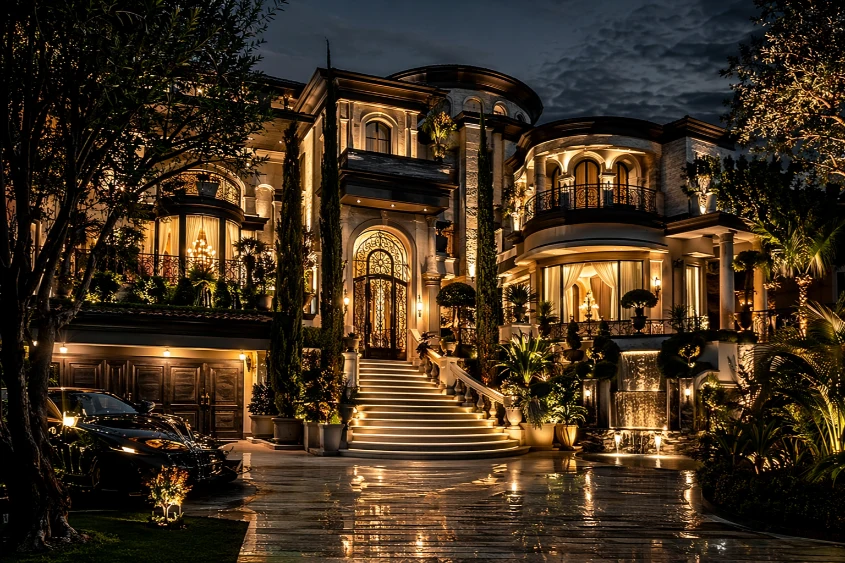
Lighting plays a powerful role in maximalist exteriors. Layered lighting—combining uplights, wall washers, string lights, and lanterns—creates depth and drama after sunset. It highlights architectural features and enhances textures.
The goal is to turn the home into a glowing statement piece at night. Warm tones keep the look inviting rather than harsh. When thoughtfully layered, lighting transforms the exterior into a theatrical, atmospheric experience.
7. Sculptural Landscaping
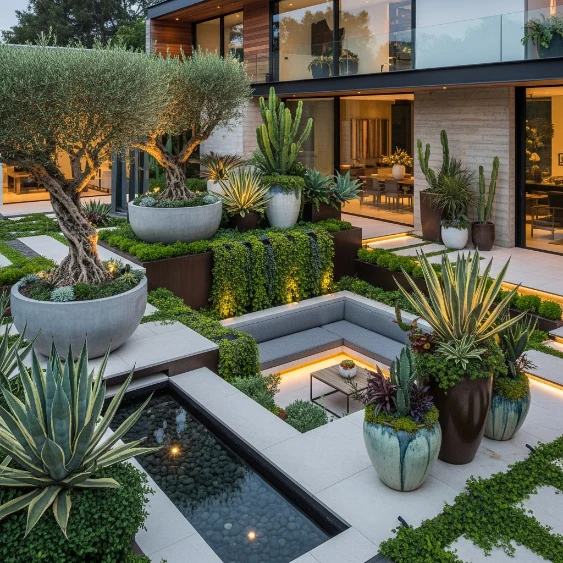
Maximalist landscaping is bold and expressive, featuring sculptural plants, oversized planters, and layered greenery. Instead of minimal garden design, this approach embraces abundance and artistic arrangement.
Mix textures like tall grasses, tropical plants, and shaped hedges for contrast. Pathways can be curved or dramatic to enhance movement. This creates an outdoor space that feels immersive and visually rich, extending the maximalist aesthetic beyond the building itself.
8. Grand Entryways
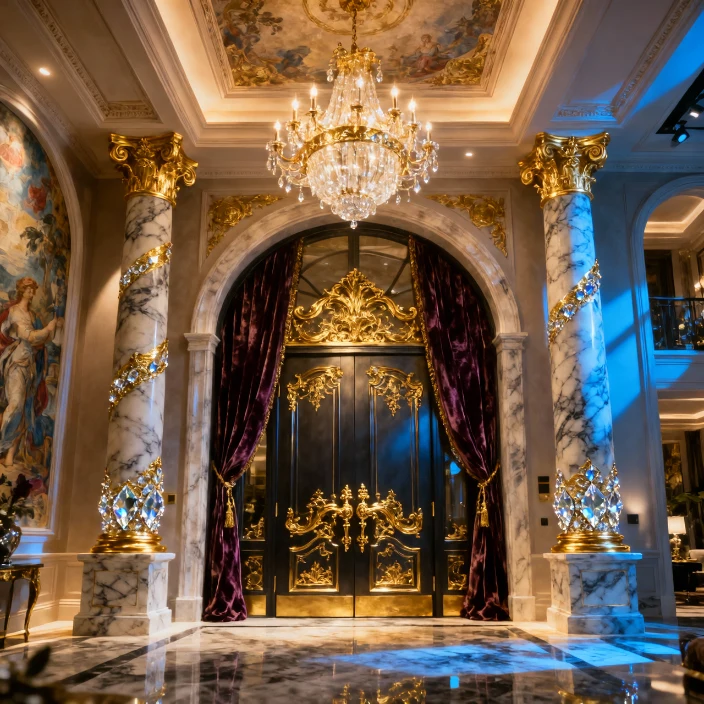
A grand entryway sets the tone for maximalist architecture. Oversized doors, bold colors, decorative columns, or sculptural framing create a powerful sense of arrival. The entrance becomes a statement rather than a simple passage.
Add layered materials like stone, metal, or carved wood for richness. Lighting can further emphasize the doorway. This approach ensures the home makes a strong, memorable first impression.
9. Arched and Curved Forms
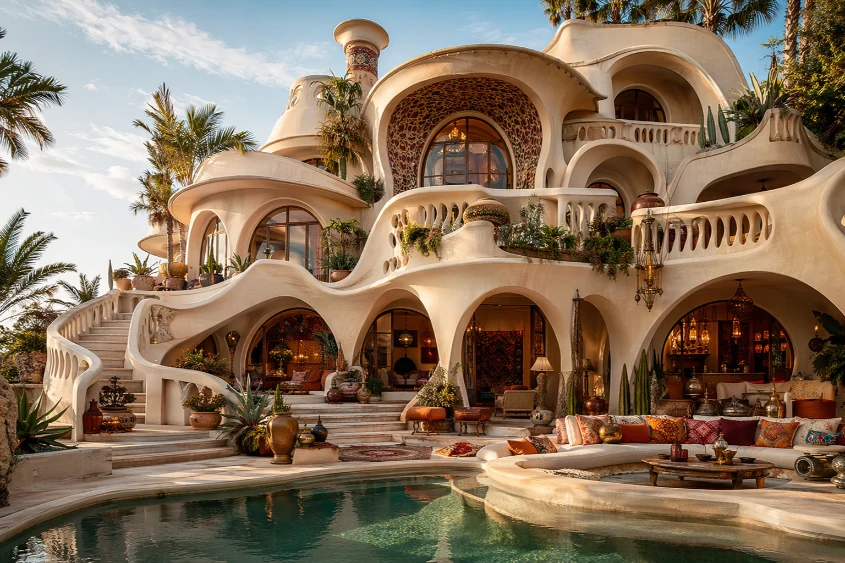
Curved architecture softens the intensity of maximalist design while maintaining visual interest. Arches, rounded balconies, and flowing wall shapes introduce elegance and movement.
These organic forms contrast beautifully with bold colors and textures. They create a sense of rhythm and flow across the façade. This blend of structure and softness makes the home feel artistic and architectural at the same time.
10. Statement Windows
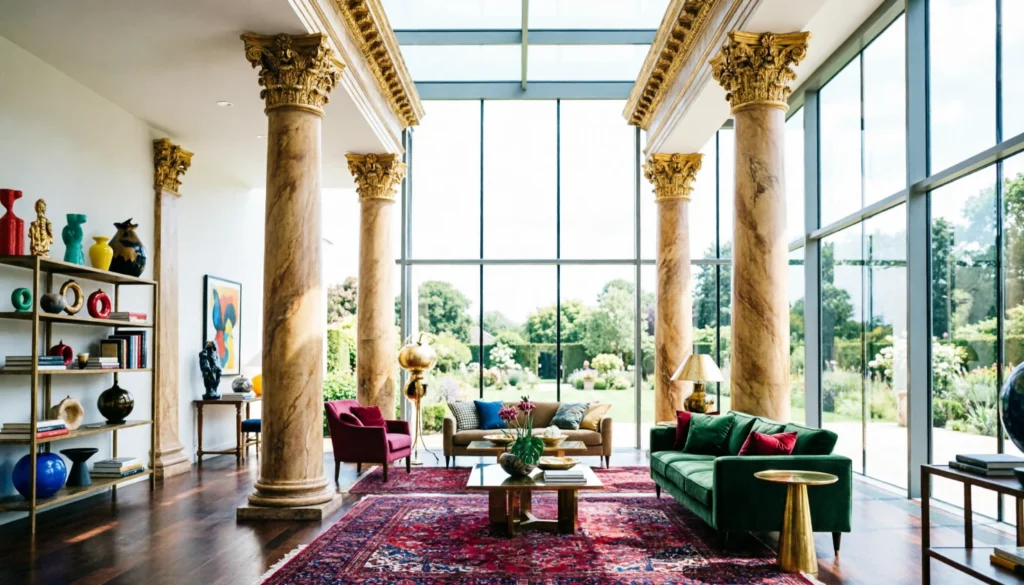
Windows in maximalist architecture are not subtle—they are bold design features. Oversized, uniquely shaped, or color-framed windows become focal points of the exterior.
They enhance both aesthetics and interior light quality. When paired with dramatic façades, they add rhythm and contrast. Statement windows ensure the architecture feels expressive and visually dynamic.
11. Vibrant Front Doors
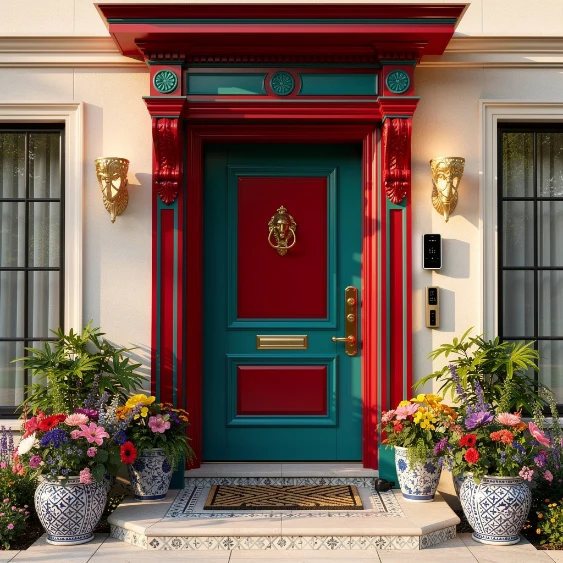
A vibrant front door is a simple yet powerful maximalist statement. Bright reds, deep blues, or emerald greens instantly energize the façade. The door becomes the centerpiece of the exterior.
Surround it with complementary textures or lighting for impact. Even in complex designs, the front door anchors attention. It reflects personality and sets the tone for the entire home.
12. Mixed Era Inspiration
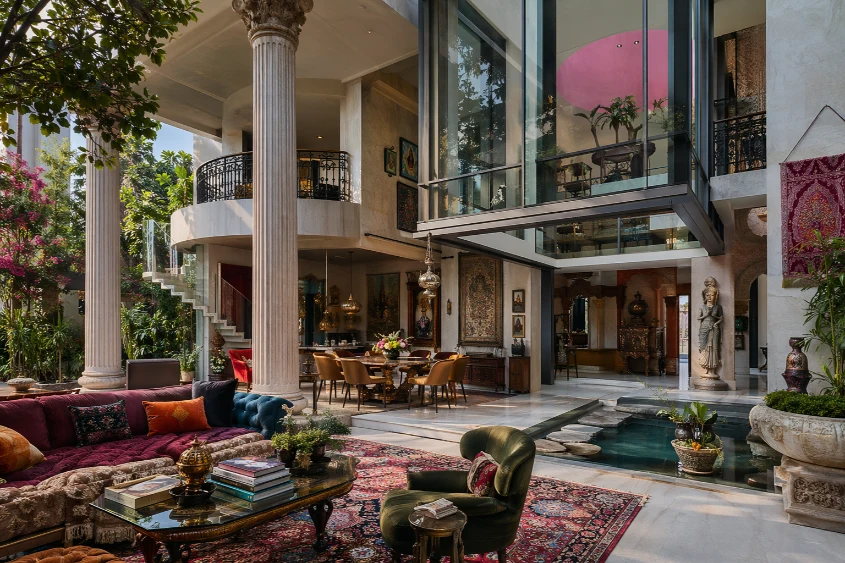
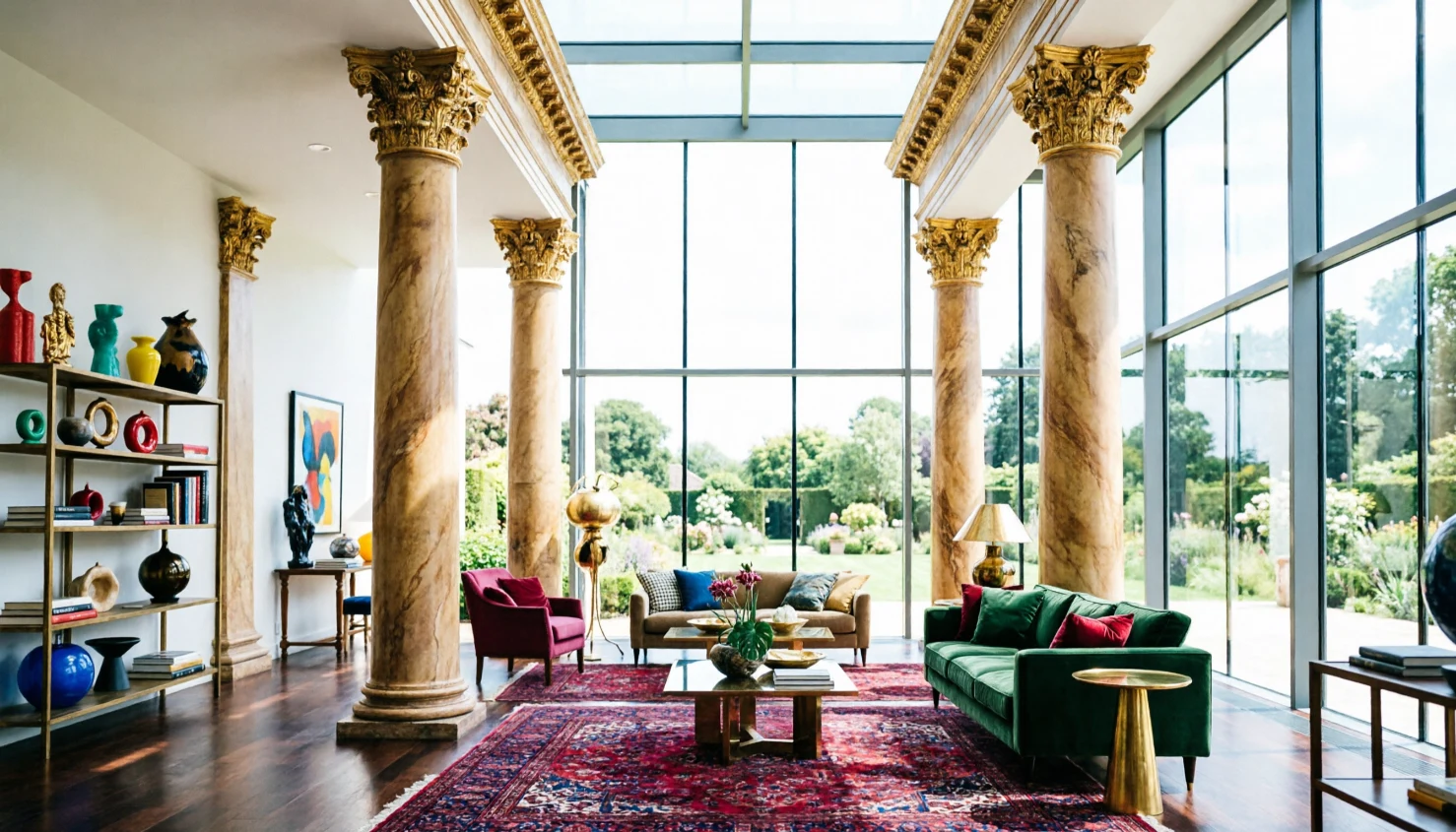
Maximalist design often blends multiple architectural eras. Classical columns, modern glass panels, and industrial elements can coexist in one structure. This fusion creates a layered, storytelling effect.
The key is maintaining balance through repetition or color unity. Mixing styles adds depth and uniqueness. This approach celebrates individuality and breaks traditional architectural boundaries.
13. Textured Wall Surfaces
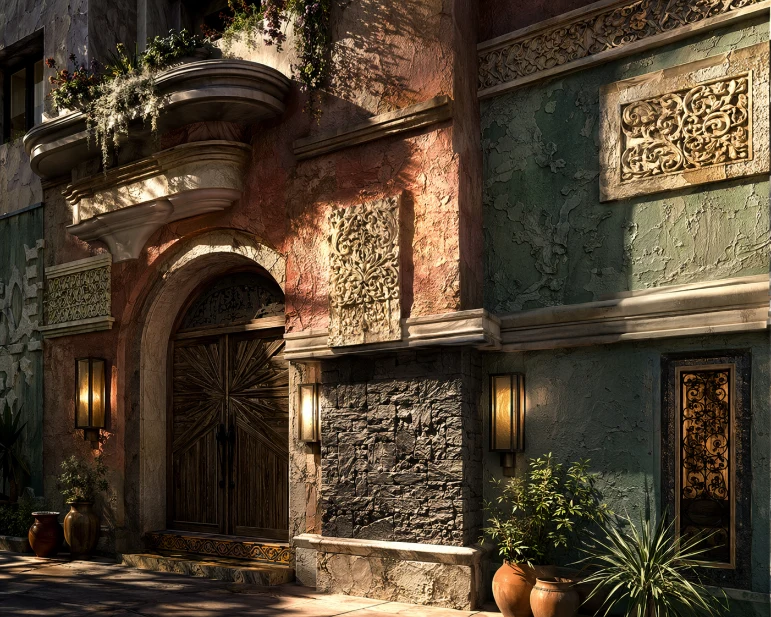
Textured walls add tactile richness to maximalist exteriors. From rough plaster to carved stone or layered concrete, surfaces become visually dynamic and expressive.
These textures interact beautifully with light and shadow throughout the day. Combined with bold colors or materials, they create depth and complexity. The result is an exterior full of character and artistic detail.
14. Outdoor Art Installations
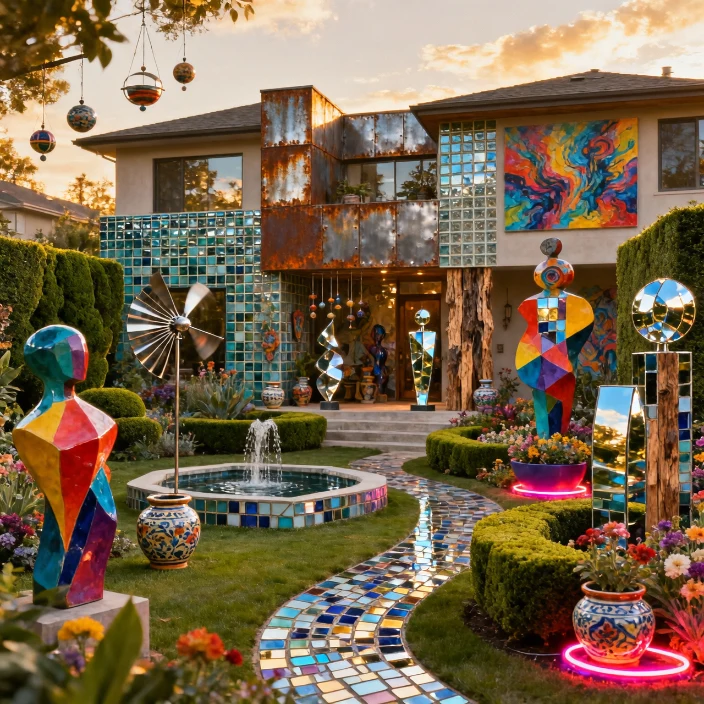
Maximalist architecture often extends into outdoor art. Sculptures, murals, and artistic installations transform gardens and façades into curated galleries.
These elements bring personality and storytelling to the home. Positioned strategically, they enhance architectural features. This approach turns the exterior into a living, evolving art space.
15. Bold Balconies and Railings
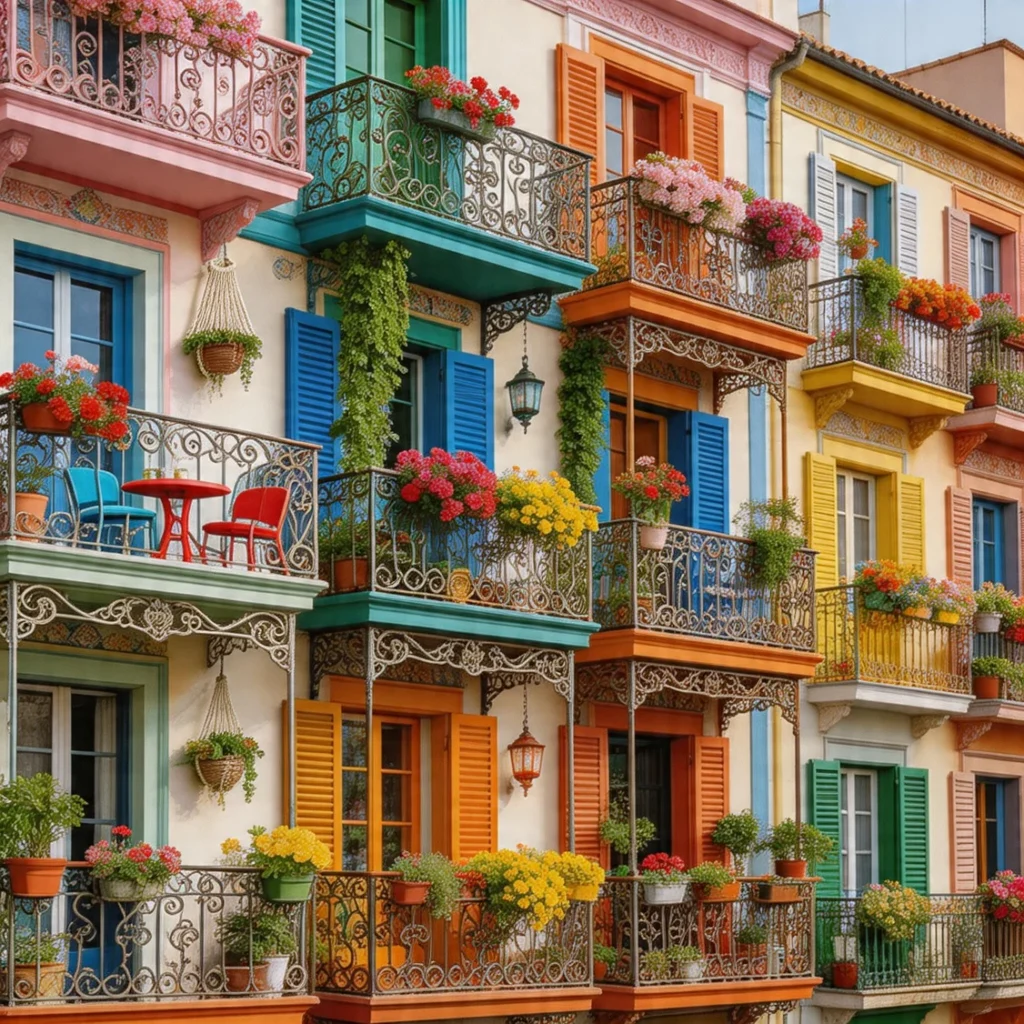
Balconies in maximalist design are expressive and detailed. Ornate railings, bold colors, and layered structures make them stand out as architectural features.
They add dimension and complexity to the façade. When combined with textures and lighting, balconies contribute to the home’s dramatic visual identity. Every level becomes part of the design story.
16. Over-the-Top Luxury Detailing
Maximalist design embraces luxury without restraint. Gold accents, marble surfaces, intricate finishes, and dramatic proportions define this aesthetic. Every detail is intentional yet abundant.
The goal is to create a sense of grandeur and opulence. When balanced carefully, these elements form a cohesive and breathtaking architectural statement that feels both artistic and luxurious.