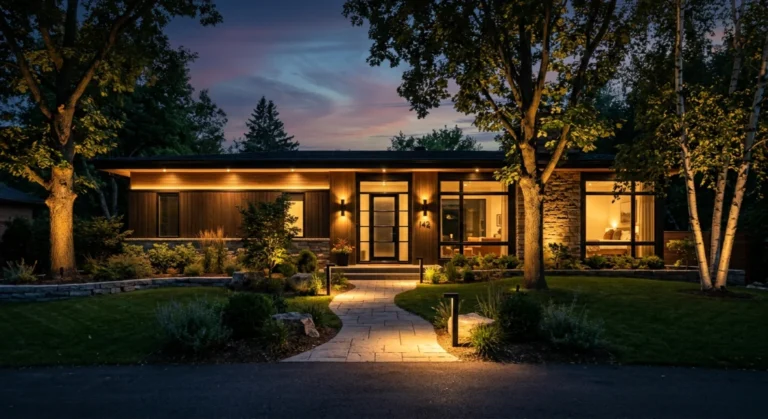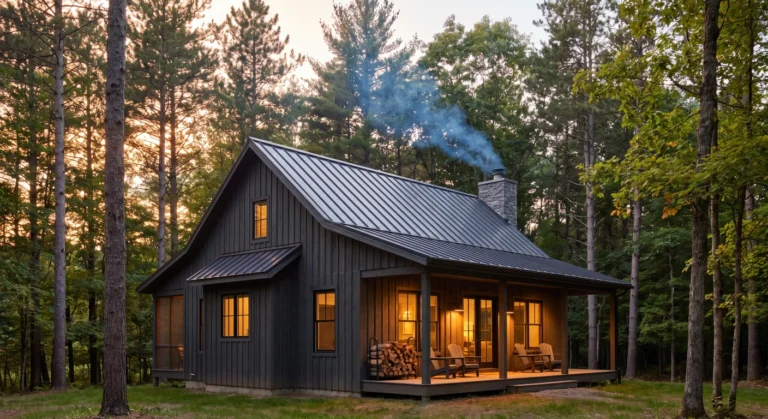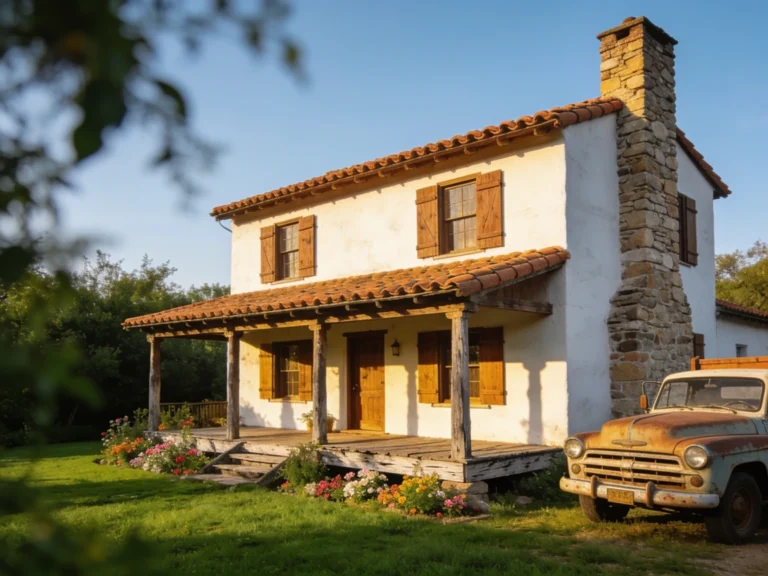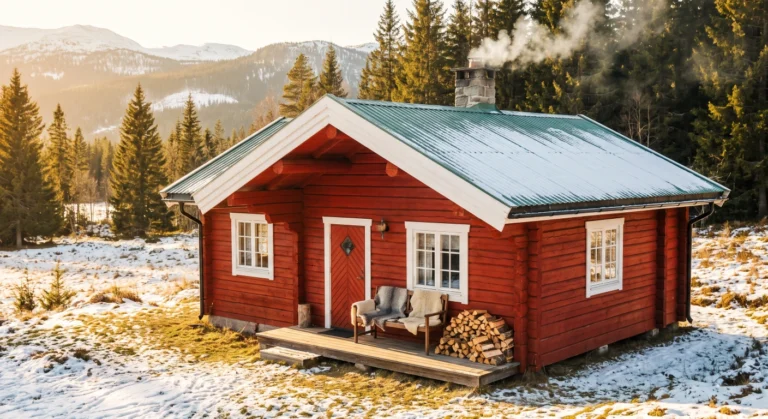
18 Modern Ranch Exterior Ideas That Blend Rustic & Contemporary
1. Reclaimed Wood Siding with Concrete Accents
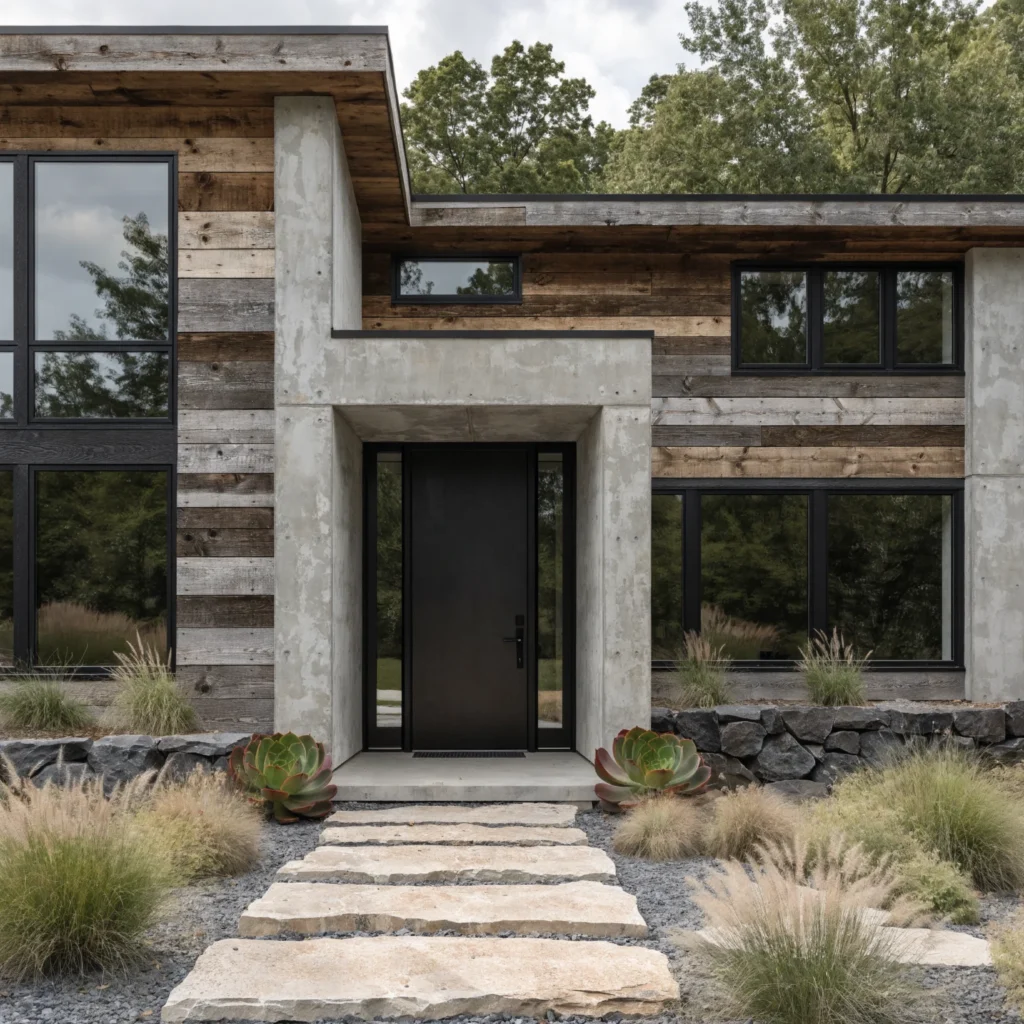
Reclaimed wood siding paired with poured concrete accent panels creates a ranch exterior that tells a compelling story of time, texture, and deliberate contrast. The weathered silver-gray and warm brown tones of salvaged barn wood bring decades of authentic character to a brand-new facade, while smooth concrete panels introduce the clean geometric precision of contemporary architecture. Together these two materials create a conversation between the organic and the manufactured that feels genuinely thoughtful and artistically resolved rather than randomly assembled.
Sourcing quality reclaimed wood requires working with reputable salvage yards or specialty suppliers who properly kiln-dry reclaimed timber to eliminate pests and stabilize moisture content before exterior installation. Apply a clear penetrating UV stabilizer to preserve the wood’s existing patina without artificially darkening or glossing the surface. Complement the raw material palette with simple black steel window frames, an industrial pivot front door, and a sparse gravel and boulder landscape composition that allows the extraordinary texture of the reclaimed wood to remain the undisputed star of the entire exterior design.
2. Log-Inspired Timber Frame Entry with Modern Body
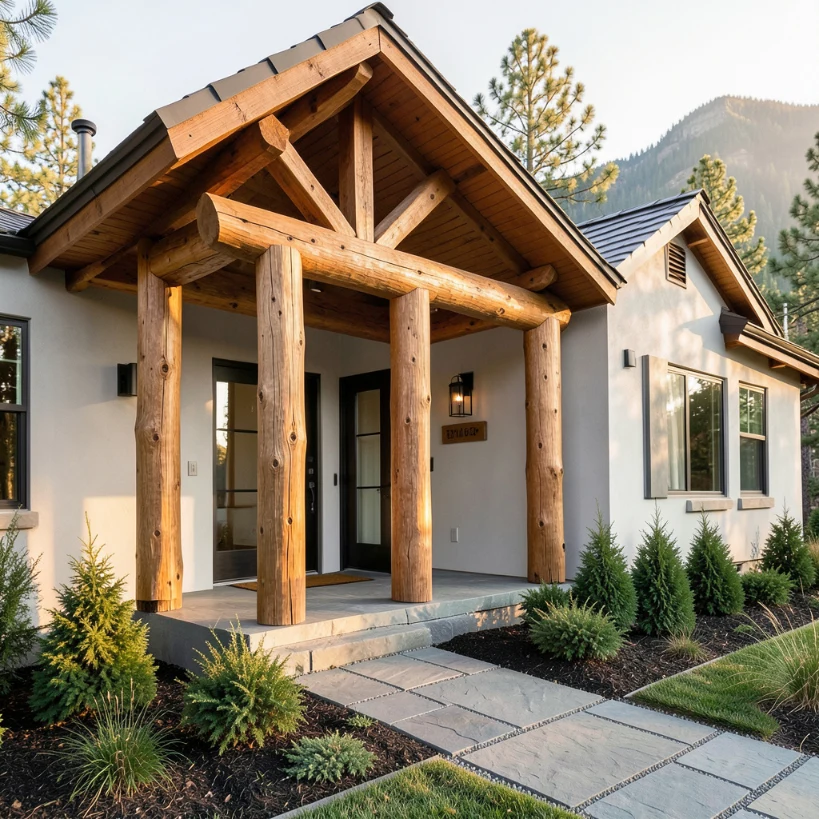
A log-inspired timber frame entry structure grafted onto a clean contemporary ranch body creates a striking architectural hybrid that celebrates the romance of mountain lodge living within a refined modern residential framework. Massive natural timber posts, six by six inches or larger, and heavy exposed beam headers at the porch entry establish an immediate sense of craftsmanship, weight, and warmth that no applied decorative detail can authentically replicate. Against a crisp fiber cement or smooth stucco body, the raw timber frame reads as a bold, sculptural gesture of genuine architectural ambition.
Selecting the right timber species for exterior structural use is critical to long-term performance and beauty. Douglas fir, western red cedar, and white oak are among the most popular choices for exposed exterior timber framing, offering excellent natural resistance to moisture and decay when properly detailed and maintained. Treat all exposed timber surfaces with a quality penetrating oil finish every two to three years to nourish the wood, prevent checking, and maintain the warm honey tones that make this design element so visually compelling. Ground the timber entry structure with a generous flagstone or concrete slab porch and flanking stone planters for a complete rustic luxury entry composition.
3. Dark Stain Wood and Whitewashed Stone Combination
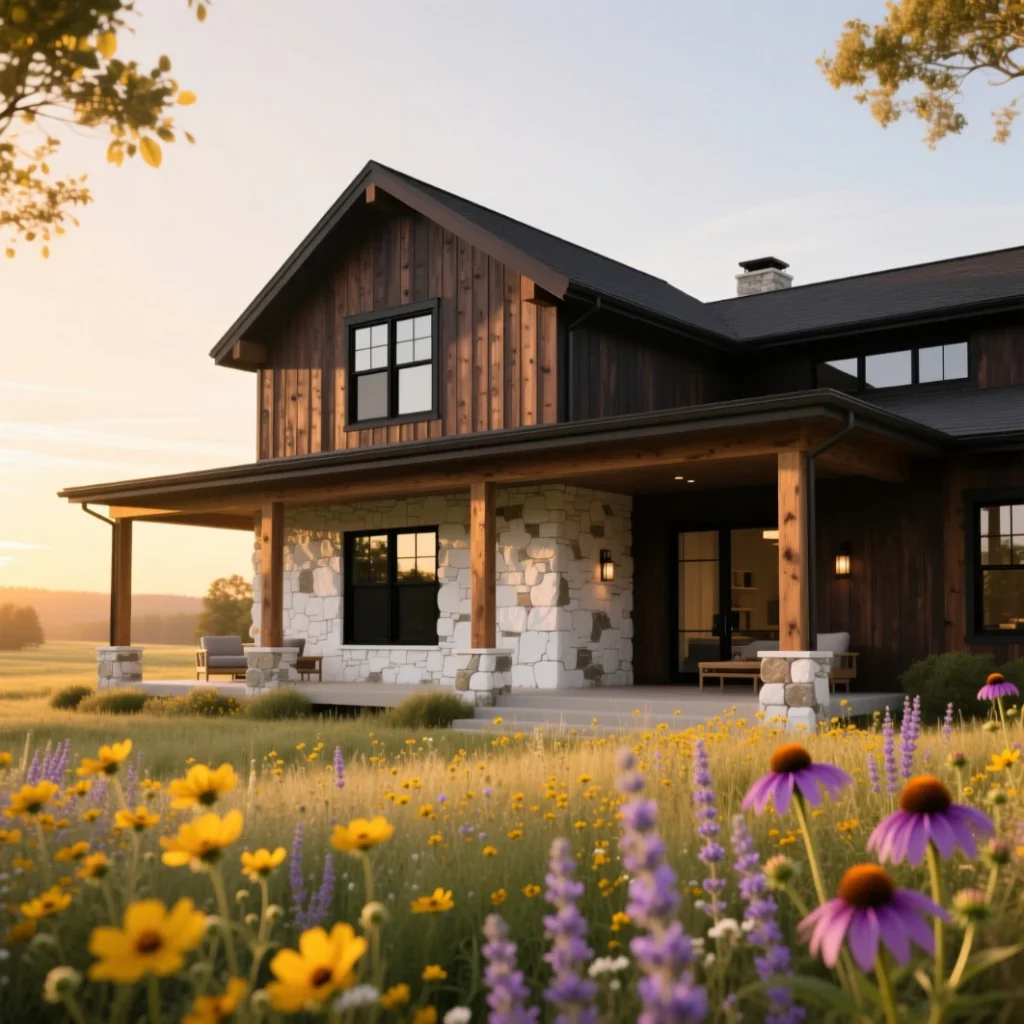
Dark espresso stained cedar siding combined with whitewashed natural stone creates a ranch exterior palette of extraordinary richness and romantic depth. The deep, almost black brown of the stained wood provides a moody, sophisticated backdrop that makes the lighter whitewashed stone accent wall glow with warm luminosity in comparison. This tonal interplay between dark and light, rough and smooth, manufactured and geological creates a visual complexity that rewards extended looking, revealing new layers of texture and color as light conditions change throughout the day.
Achieving the perfect dark stain on exterior cedar or pine siding requires thorough surface preparation followed by a minimum of two coats of a premium semi-transparent or solid exterior wood stain with built-in mildewcide and UV inhibitors. Dark stains absorb significantly more solar heat than lighter colors, so ensure proper ventilation behind the siding cladding to prevent moisture accumulation in the wall cavity. The whitewashed stone effect can be achieved on natural fieldstone or manufactured stone veneer using a diluted white masonry paint applied with a brush and partially wiped back to allow the natural stone color to remain visible through the wash for an authentic, aged appearance.
4. Copper Metal Roof with Natural Stone Walls
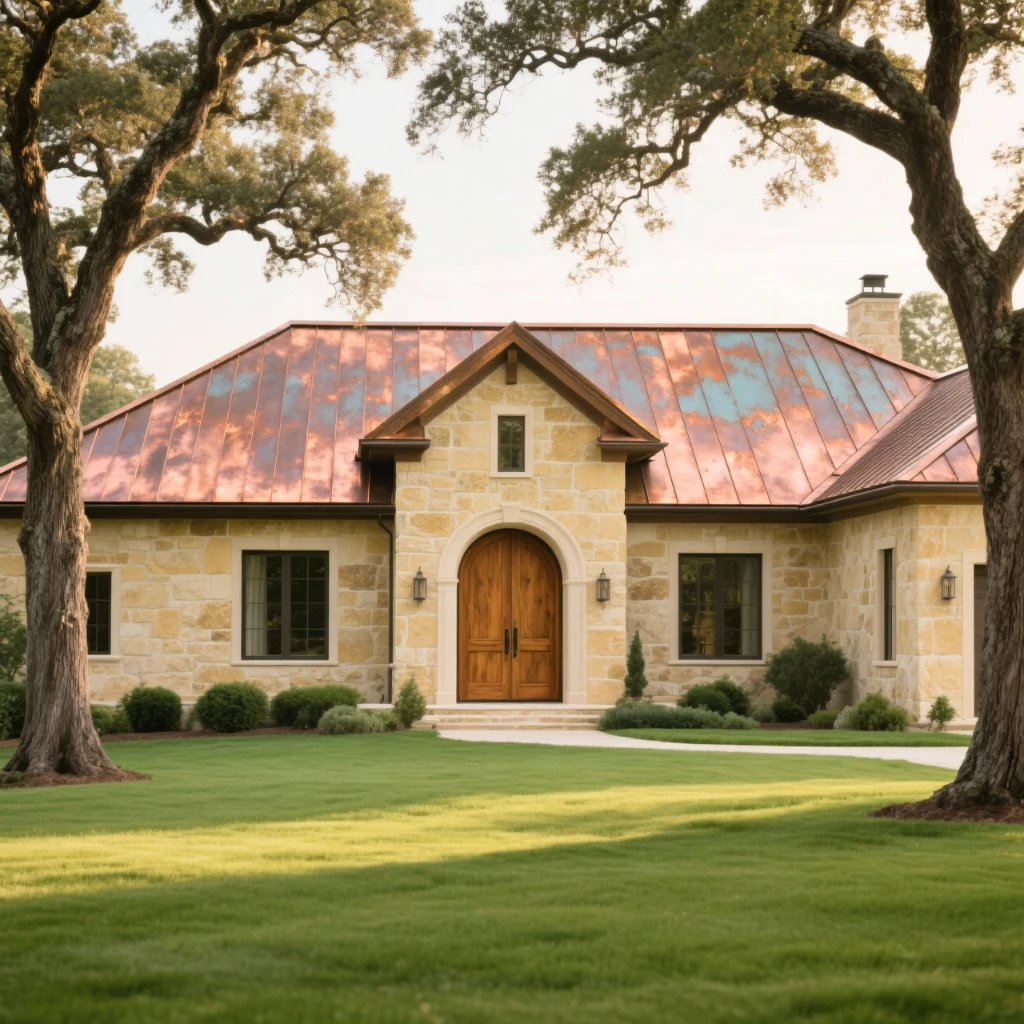
A living copper standing seam roof crowning natural stone walls creates a ranch exterior of almost museum-quality material beauty that improves with every passing year as the copper develops its celebrated blue-green verdigris patina. The color journey of copper roofing, from bright penny orange through warm chocolates and deep blacks to eventual seafoam green, means your home’s exterior is a slowly evolving artwork that becomes more beautiful and more distinctive with each passing decade. Against the geological permanence of natural limestone or sandstone walls, the copper roof creates a material pairing of spectacular timeless elegance.
Copper roofing represents a premium investment with an extraordinary lifespan exceeding 100 years when properly installed and maintained, making it one of the most financially sound long-term exterior investments available. Hire only copper roofing specialists with verifiable experience in standing seam copper installation, as improper attachment and expansion allowance details can lead to costly failures. Natural stone walls require equally skilled masonry installation with proper cavity drainage and flashing details at all roof and window intersections. The combined material investment commands significant premium pricing but delivers a finished ranch exterior of irreplaceable quality and genuine architectural legacy.
5. Barnwood Shiplap Siding with Industrial Steel Details
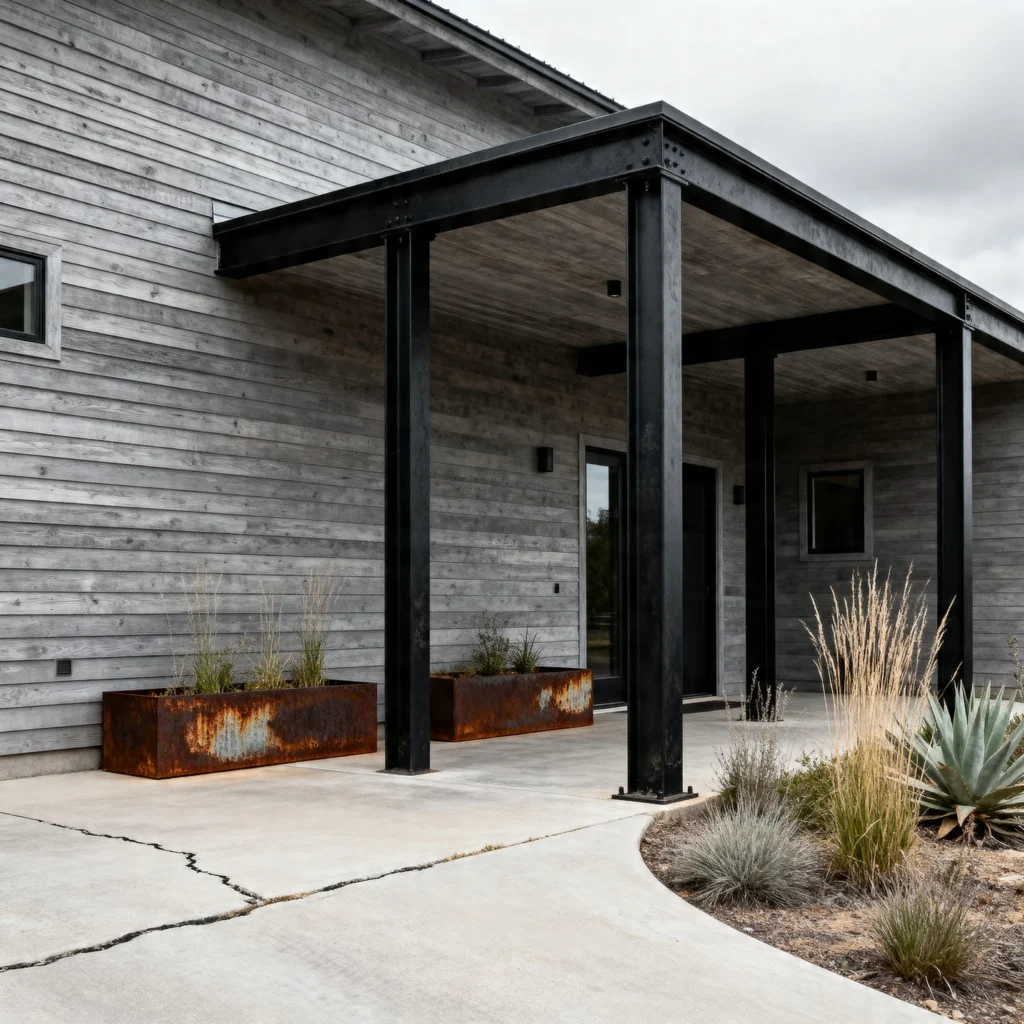
Barnwood-inspired shiplap siding combined with exposed black steel structural details delivers a ranch exterior aesthetic that channels the honest material beauty of working agricultural buildings through a contemporary architectural lens. The horizontal reveal lines of shiplap siding emphasize the low, ground-hugging profile of ranch architecture while the raw texture of weathered gray barnwood adds decades of visual character to even a newly constructed home. Black steel columns, beams, and cable railings on the porch provide the industrial counterpoint that keeps this rustic material from reading as dated or purely nostalgic.
High-quality engineered shiplap siding products from manufacturers including LP SmartSide, James Hardie, and Allura replicate the dimensional profile and paintable texture of traditional wood shiplap while offering dramatically superior moisture resistance, dimensional stability, and paint retention. These products eliminate the warping, splitting, and rot vulnerability that make real wood shiplap a maintenance challenge in humid or wet climates. For an authentic barnwood appearance, apply specialty faux-finish exterior stains available in premixed weathered gray, silver, and driftwood tones over any quality shiplap substrate to achieve the aged look without the real wood maintenance burden.
6. Adobe-Inspired Stucco with Mesquite Wood Details
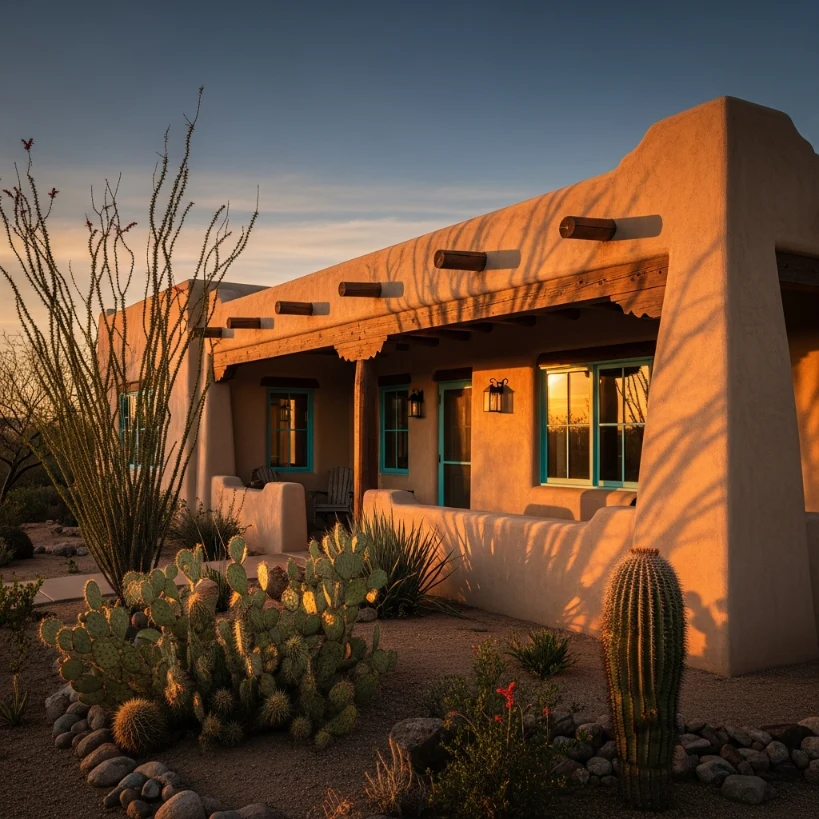
Adobe-inspired hand-textured stucco in warm sand, ochre, and terracotta tones brings the timeless building traditions of the American Southwest into a contemporary ranch exterior that feels profoundly connected to its landscape and climate. The deliberately irregular surface texture of hand-applied stucco, achieved by skilled plasterers working with pool trowels and sponges, creates a richly dimensional wall surface that captures light and shadow in constantly shifting patterns as the sun moves across the sky. This living surface texture is the quality that most distinguishes authentic Southwestern architecture from mass-produced imitations.
Mesquite, saguaro rib, and palo verde wood elements used in porch ceilings, window lintels, and decorative vigas add an irreplaceable organic character that manufactured materials simply cannot approximate. These locally harvested desert woods weather beautifully in arid climates, developing rich silver gray tones that harmonize naturally with the surrounding desert palette. Source desert wood materials from licensed suppliers who harvest sustainably and legally to ensure your beautiful design choice supports rather than damages the remarkable desert ecosystems that inspire it. Pair with a native plant garden designed by a Southwestern landscape professional for an exterior of complete regional authenticity.
7. Black Metal Roof with Natural Cedar Shake Accents
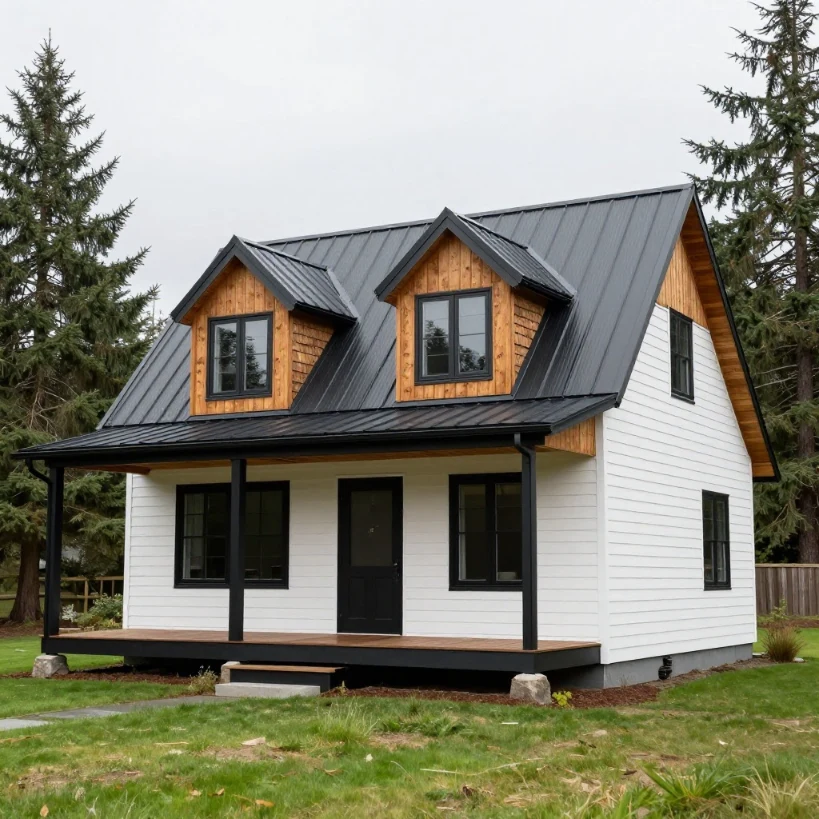
Pairing a matte black standing seam metal roof with natural cedar shake accent siding on a front gable or entry volume creates a ranch exterior of powerful textural contrast and deeply satisfying material harmony. The precision and linearity of the metal roof’s raised seams create a graphic, almost mechanical quality that makes the hand-split randomness of natural cedar shakes appear even more beautifully organic and artisan by direct comparison. This deliberate contrast between industrial and natural is the creative tension that makes the best rustic contemporary ranch exteriors so visually compelling and emotionally resonant.
Cedar shake siding applied as accent rather than full coverage material keeps costs manageable while delivering the maximum textural and visual impact exactly where the eye naturally focuses most, at the entry volume and front gable. Grade A or premium cedar shakes offer the most uniform thickness and the fewest defects for the most refined installation appearance. Apply a quality penetrating cedar preservative treatment every three to five years to maintain the warm natural tone and prevent the accelerated greying and checking that untreated cedar experiences in wet Pacific Northwest or humid southeastern climates where this combination is particularly beautiful and appropriate.
8. Exposed Rafter Tails with Board-and-Batten Siding
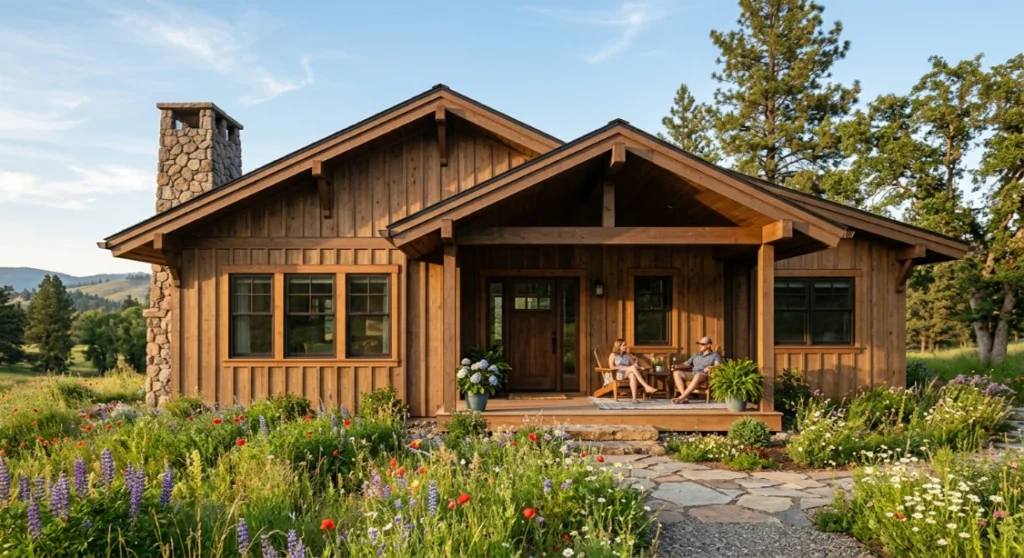
Exposed rafter tails projecting beyond the roofline fascia are one of the most beloved and characterful details in American residential architecture, connecting the modern ranch home to the craftsmanship traditions of the Arts and Crafts bungalow and Prairie Style movements. Each exposed rafter tail, whether left natural, stained, or painted, reads as evidence of the genuine structural logic beneath the roof, celebrating honest construction in a way that applied decorative elements never authentically can. Paired with warm-toned board-and-batten siding, the exposed rafter detail creates a front elevation rich with handcrafted visual interest.
The practical execution of exposed rafter tails in new construction or renovation requires careful waterproofing detailing at the point where each rafter penetrates the wall plane to prevent moisture infiltration into the wall cavity over time. Consult with an experienced architect or contractor familiar with this traditional detail to ensure long-term performance. In renovation projects, rafter tail extensions can be crafted from matching lumber and bolted to existing rafters to approximate the look without full roof reconstruction. Finish exposed rafter tails with the same stain or paint color used on window frames and porch columns for a cohesive, architecturally unified result.
9. Mixed Brick and Dark Wood Horizontal Siding
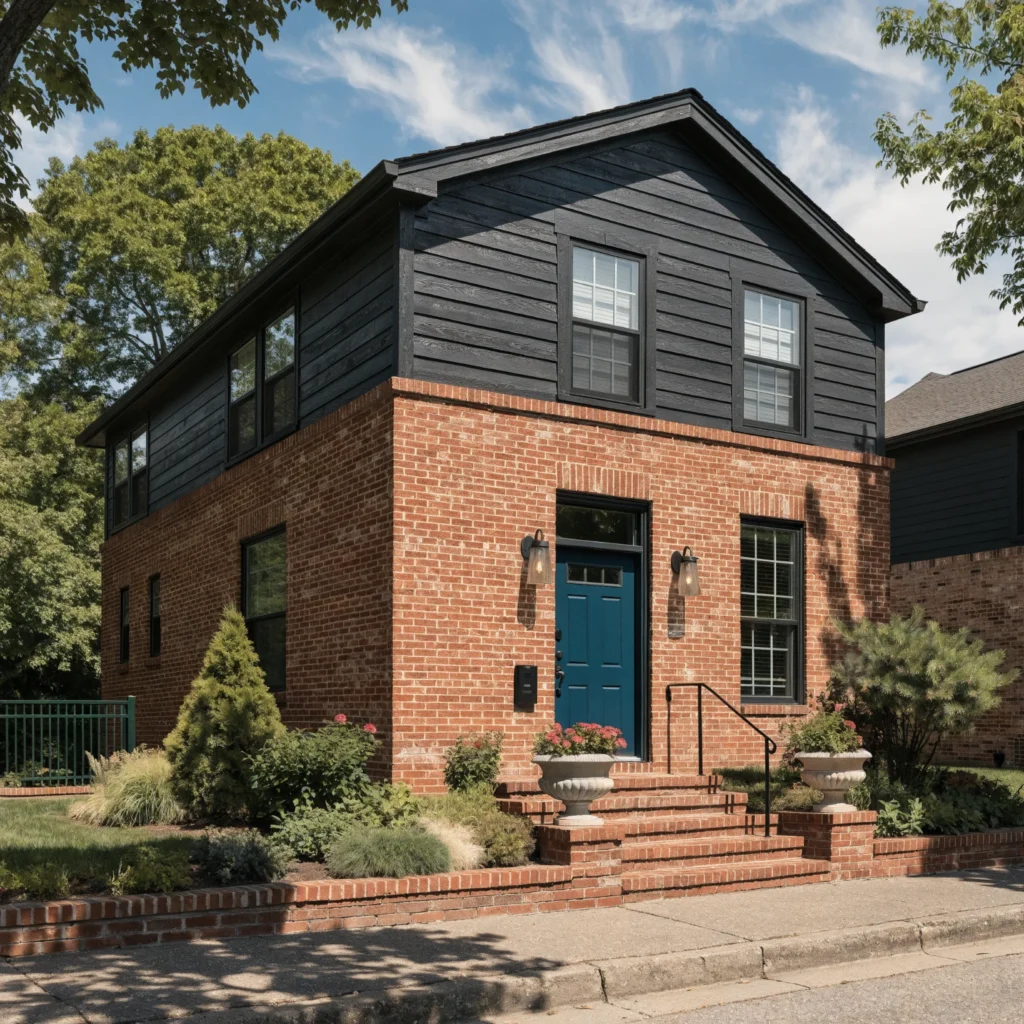
Combining existing or new red brick on the lower facade with dark stained horizontal wood siding on the upper portion creates a ranch exterior of tremendous visual weight and layered material character. The horizontal datum line where brick meets wood siding draws the eye across the full width of the home, emphasizing the sprawling horizontal breadth that defines ranch architecture at its most confidently expressive. Dark stained wood above warm brick below creates a natural tonal gradient that grounds the home visually and makes it appear organically rooted to its site.
This combination is particularly powerful as a renovation strategy for dated ranch homes with existing brick that would be expensive to remove or cover. Rather than fighting the brick, embrace it as the lower register material and introduce contemporary dark wood siding above the window sill line or above the original brick belt course for a dramatic modern update that costs a fraction of complete re-siding. Paint or stain existing mortar joints a contrasting tone to refresh tired brick without full replacement. Update windows, garage door, front door, and lighting fixtures simultaneously to complete a renovation transformation of remarkable impact achieved with thoughtful, budget-conscious material decisions.
10. Weathered Zinc Cladding with Warm Wood Soffit
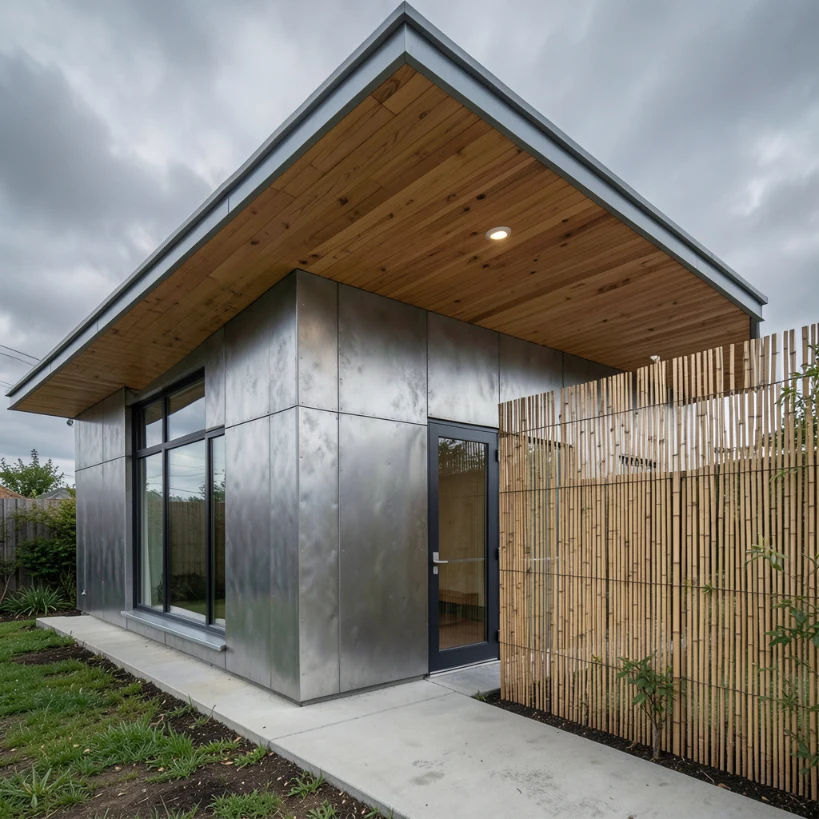
Weathered zinc cladding panels represent one of the most sophisticated and architecturally distinguished exterior material choices available for the contemporary rustic ranch aesthetic. Natural zinc develops a beautiful protective patina of blue-gray zinc carbonate over time, creating a living surface that shifts between pewter, silver, and warm gray tones depending on light angle and weather conditions. The subtle, restrained elegance of zinc cladding communicates European architectural sensibility and genuine material culture in a way that immediately elevates any ranch home beyond its neighbors.
The warmth missing from zinc’s cool metallic palette is perfectly supplied by tongue-and-groove natural wood soffit material visible beneath the wide roof overhangs that characterize the best contemporary ranch designs. Western red cedar, hemlock, or thermally modified ash in a natural or lightly oiled finish glows with amber warmth that humanizes the cool zinc walls and prevents the exterior from feeling sterile or overly industrial. Zinc cladding installation requires specialized contractors familiar with the material’s unique thermal expansion characteristics and its sensitivity to contact with incompatible metals including copper, which causes accelerated corrosion at contact points and must be scrupulously avoided throughout the wall assembly.
11. River Rock Foundation with Painted Wood Upper Story
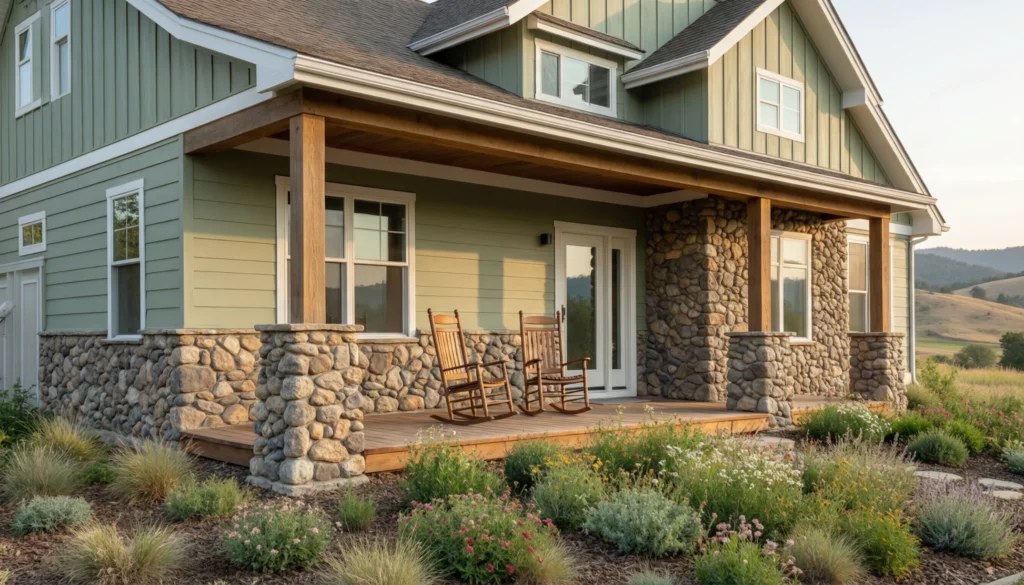
A natural river rock foundation and lower accent wall combined with a painted wood upper exterior creates a ranch home that appears to rise organically from the earth itself, as though it has always occupied its site and always will. The rounded, water-smoothed forms of river rock carry an intrinsic sense of geological time and natural process that more angular cut stone cannot replicate, and their warm palette of gray, tan, rust, and cream tones harmonizes beautifully with virtually any upper body paint color. Sage green, barn red, warm cream, and dusty blue all create beautiful partnerships with natural river rock.
River rock masonry requires skilled, experienced stone masons who understand how to sort and arrange stones by size and tone for the most naturalistic and visually cohesive result. Random rubble patterns with deeply raked mortar joints give the most authentic natural appearance, while coursed patterns read as more formal and architecturally controlled. The mortar color chosen for river rock work dramatically affects the overall appearance and should be carefully selected by viewing sample panels in both wet and fully cured conditions before committing to a color for the full installation. Earthy brown or gray mortars disappear most naturally, allowing the stones to visually read as the primary material rather than the mortar.
12. Corrugated Metal Wainscot with Rustic Wood Upper Siding
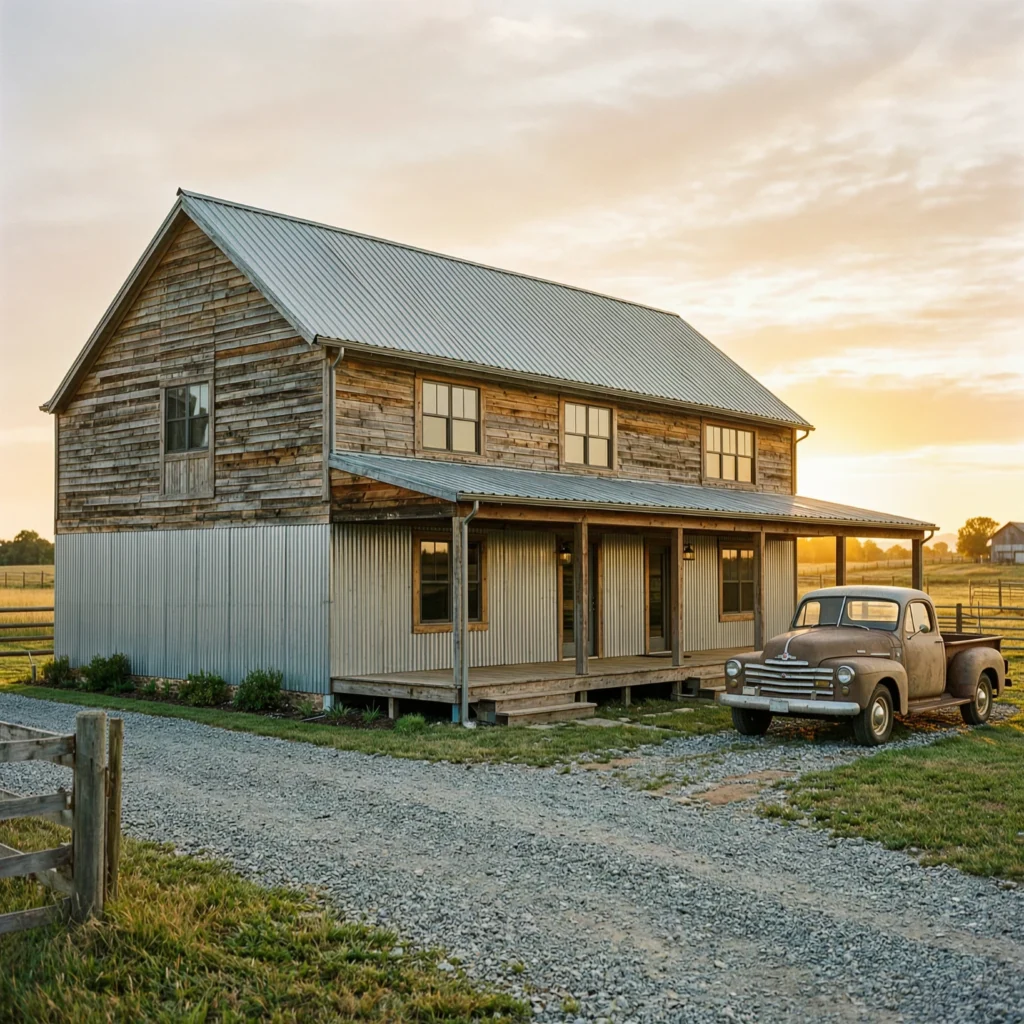
Corrugated galvanized metal used as wainscoting on the lower third of a ranch exterior creates an authentically agricultural design reference that connects the home to the working ranch and barn building traditions of the American West. The repetitive ribbed pattern of corrugated metal catches light in a way that creates constantly shifting horizontal shadow lines across the facade, adding visual animation that flat siding materials cannot achieve. Against rough-sawn natural wood siding on the upper walls, the corrugated metal reads as a pragmatic, honest material choice that celebrates rather than disguises its industrial origins.
Galvanized corrugated metal panels used in exterior wainscot applications must be installed with proper standoffs and ventilation behind the panel to prevent trapped moisture from accelerating corrosion at the panel backs and wall substrate. Pre-painted corrugated metal in charcoal, barn red, or weathered zinc finishes offers greater color control and extended corrosion resistance compared to raw galvanized material. For the warmest rustic authenticity, select rough-sawn Douglas fir or pine upper siding and apply a semi-transparent oil stain that enhances rather than obscures the natural grain and saw texture of the wood surface for a genuinely handcrafted quality that machine-milled siding simply cannot approximate.
13. Stained Concrete Exterior Panels with Cedar Trim
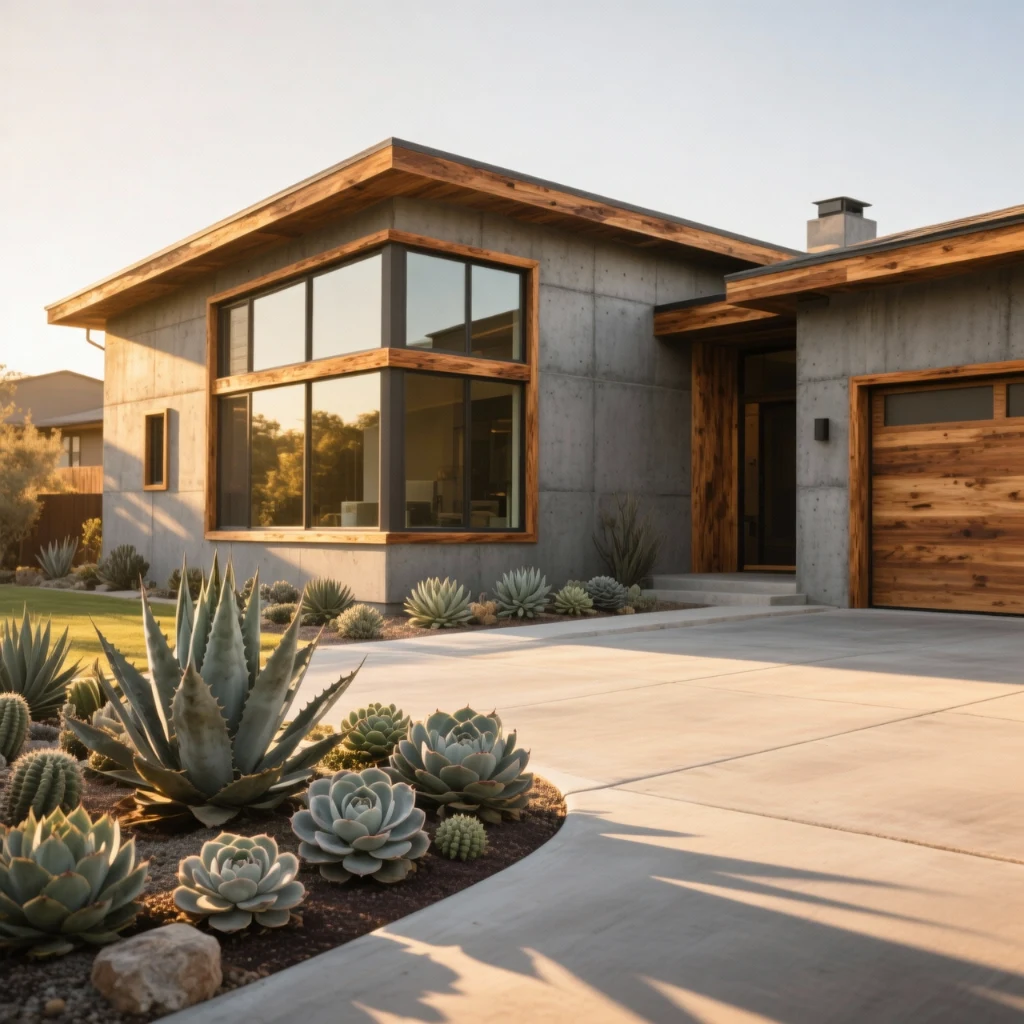
Stained concrete exterior panels offer a ranch home material option of extraordinary visual weight, geological permanence, and deeply satisfying textural honesty that places the home firmly in the tradition of twentieth century architectural modernism while embracing the rustic material values of the contemporary design moment. Acid-stained or integral-pigment concrete panels in warm gray, buff, terracotta, or charcoal tones develop subtle tonal variation across their surfaces that makes each panel uniquely beautiful and impossible to exactly replicate, giving the finished exterior a richly handmade quality despite the industrial nature of the material.
Natural cedar trim at window surrounds, corner boards, and fascia introduces the warm organic counterpoint that prevents the concrete panels from reading as cold or institutional. The contrast between rough-textured or broom-finished concrete and the smooth milled precision of cedar trim creates a tactile richness that rewards close inspection and makes the overall composition feel genuinely sophisticated. Integrate broad horizontal concrete planter boxes into the facade design to bring low-growing succulents, ornamental grasses, or trailing plants into direct contact with the concrete wall surface, blurring the boundary between building material and living landscape in a manner that is both beautiful and biophilically satisfying.
14. Dark Olive Green Exterior with Bronze Hardware
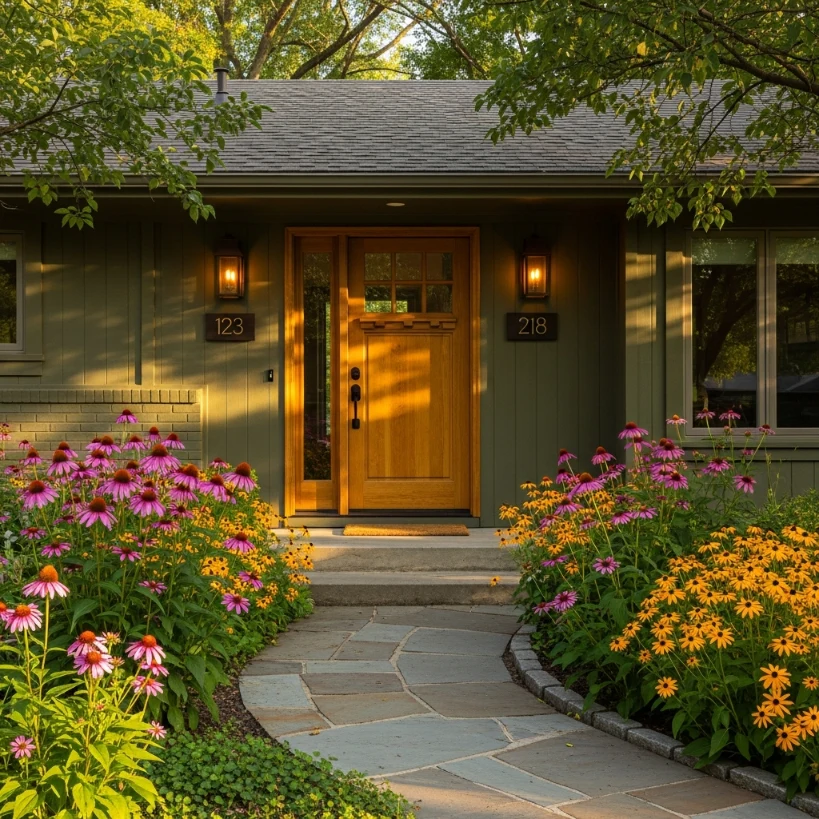
Deep olive green is the exterior paint color that captures the imaginations of adventurous homeowners who want something more complex, more characterful, and more deeply connected to the natural world than standard gray or beige. This warm yellow-green with its inherent earthy sophistication reads differently in every light condition, appearing almost brown in deep shade, warm gold in direct afternoon sun, and a rich complex khaki in the soft diffused light of overcast days. Against the warm amber and chocolate tones of oil-rubbed bronze hardware and natural wood doors, olive green creates a complete material story of organic luxury and artisanal refinement.
The psychological effect of a dark olive green ranch exterior is one of immediate comfort and belonging, as though the home has grown naturally from the garden surrounding it rather than being constructed and placed upon the site. This sense of organic integration makes olive green particularly effective on ranch homes set within mature landscapes where large shade trees, established shrubs, and dense perennial plantings provide a rich green backdrop for the olive-toned facade. Cottage garden plantings in warm yellows, rusty oranges, and soft purples, think rudbeckia, echinacea, and salvia, are the perfect landscape partners for this deeply earthy and inviting exterior palette.
15. Rough-Sawn Cedar Shingles with Black Steel Accents
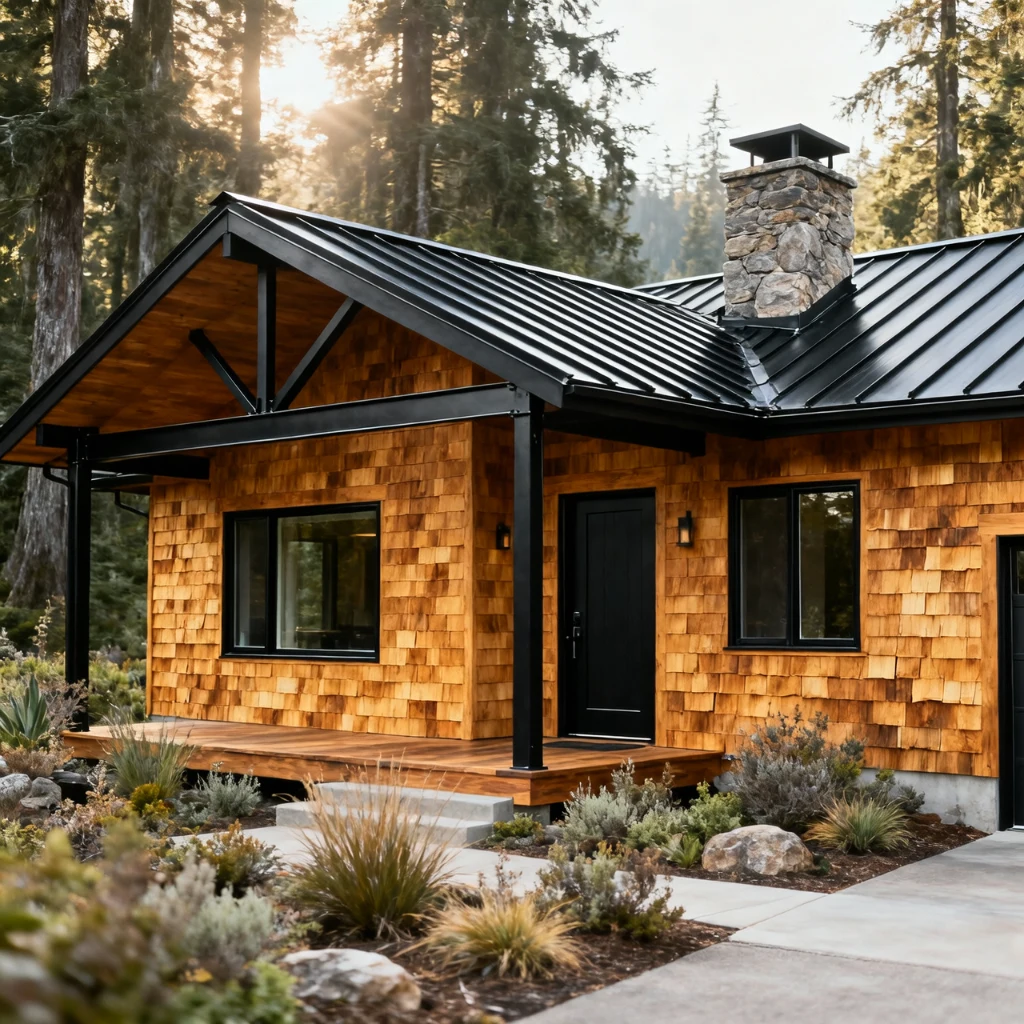
Rough-sawn cedar shingle siding applied in straight-coursed horizontal bands creates a ranch exterior of extraordinary natural texture and warmth that improves beautifully with every year of weather exposure. Unlike smooth machined wood surfaces, rough-sawn cedar retains the subtle tool marks and grain variation left by the saw blade, creating a surface that catches and diffuses light in a more complex, dimensional way that smooth shingles cannot achieve. The resulting exterior has an authentic, handcrafted quality that immediately communicates design sophistication and genuine material appreciation to every observer.
Black steel window frames, door frames, and porch roof structural elements provide the contemporary architectural spine that transforms this rustic material into a genuinely modern exterior rather than a purely nostalgic one. The graphic precision of black steel geometry against the warm randomness of cedar shingle texture is the creative tension that defines the rustic contemporary design sensibility at its most successfully resolved. Apply a quality clear penetrating cedar oil to all shingle surfaces at installation and reapply every three years to maintain the honey amber tones and prevent the premature greying that accelerates in wet climates without proper surface protection and maintenance.
16. Limestone Block Exterior with Dark Steel Windows
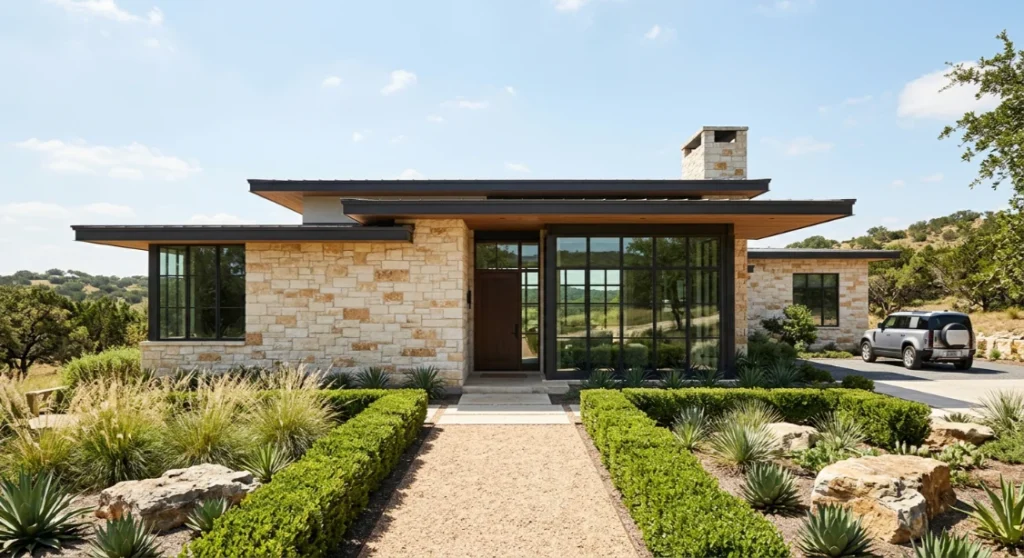
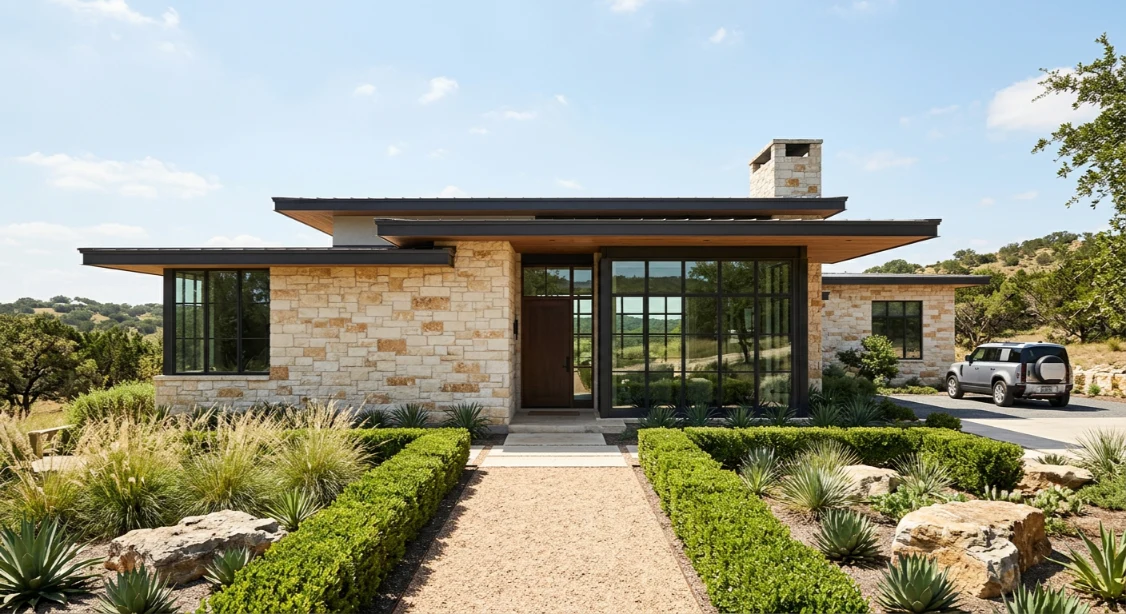
Natural cut limestone block exterior walls give a ranch home a sense of permanence, gravity, and geological beauty that is available through no other material or finish. The warm buff, cream, and golden tones of Texas Hill Country limestone, Indiana limestone, or European Caen stone create a facade that glows with extraordinary warmth in afternoon sunlight and takes on a cool, silvery quality in morning shade. Limestone block construction represents a genuine commitment to building quality and longevity, as properly installed limestone walls routinely last centuries without structural degradation.
Dark steel windows with divided light patterns, reminiscent of traditional European industrial glazing, provide the contemporary material counterpoint that prevents limestone construction from reading as purely historical or period revival. The contrast between the ancient geological material of the limestone and the machine-precision of fabricated steel window frames perfectly encapsulates the rustic contemporary design ethos at its most architecturally rigorous. Landscape a limestone ranch home with clipped formal boxwood, Italian cypress columns, and fine gravel pathways for a European estate aesthetic, or with native grasses and wildflowers for a more relaxed Hill Country naturalism equally suited to the material’s warm regional character.
17. Painted Concrete Block with Warm Wood Pergola
Painted concrete block, or CMU, construction carries an inherent mid-century modern authenticity that connects ranch home architecture directly to its postwar American residential design heritage. When painted in warm white, cream, or soft greige, concrete block walls lose their institutional associations entirely and read instead as solidly crafted, honest building material with a satisfying geometric rhythm visible in the shadow lines between each course and block. The thermal mass properties of concrete block provide genuine energy performance benefits in hot climates, absorbing daytime heat and releasing it slowly after sunset.
A natural wood pergola structure attached above the driveway or entry path introduces the organic warmth and human scale that concrete block construction intrinsically lacks. Bougainvillea, jasmine, or climbing roses trained up the pergola posts and across the overhead rafters bring cascading color and biological life to what might otherwise be an austere material composition. The combination of solid painted masonry walls below and delicate wood and vine pergola above creates a spatial experience of genuine tropical garden romance that makes the home feel like a private oasis from the moment you turn into the driveway and drive beneath its flowering canopy.
18. Charred Wood Siding with Natural Fieldstone Chimney
Shou sugi ban, the ancient Japanese technique of charring cedar wood to create a deeply beautiful, carbonized black exterior surface, delivers perhaps the most dramatic and artistically distinctive ranch exterior available in contemporary residential design. The charred surface develops a rich, crackling alligator-skin texture of deep blacks, dark grays, and occasional flashes of warm brown that photographs with extraordinary drama and reads from the street as a genuinely bold architectural statement. Against a natural fieldstone chimney in warm gray and tan tones, the charred black siding creates a material contrast of almost primal elemental power.
Beyond its extraordinary visual impact, shou sugi ban charred wood siding offers scientifically documented performance advantages over untreated wood. The carbonization process creates a fire-resistant surface layer, eliminates surface organic material that insects and fungus require to colonize, and seals the wood surface against moisture infiltration far more effectively than paint or stain alone. Quality charred siding can last 80 to 100 years with minimal maintenance beyond gentle cleaning every several years. Apply a light coat of natural oil finish annually to maintain the deep black tone and prevent surface weathering to gray for those who prefer the original dramatic dark appearance preserved over the lifetime of the installation.