18 Simple Bedroom Ideas to Fall in Love With
1. Crisp White Linen Bedding with Textural Layers
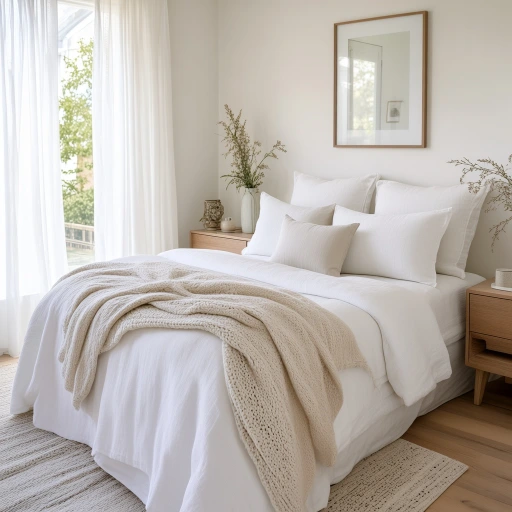
Crisp white linen bedding — a duvet cover and pillowcases in a genuine washed linen whose specific relaxed wrinkle, natural weave texture, and breathable weight create the specific sensory quality of sleeping in genuine linen rather than cotton or polyester that anyone who has experienced it once spends the remainder of their domestic life attempting to recreate — layered with a chunky hand-knitted throw in a natural cream or warm oatmeal and three Euro shams in coordinating neutral linen tones, is the simple bedroom idea that most completely and most effortlessly creates the bedroom of extraordinary calm that the most celebrated and most aspirationally photographed bedrooms achieve through the specific simplicity of committing fully to a single material in its most honest, most natural, and most beautifully imperfect form rather than pursuing the elaborately coordinated decorative program that complexity-addicted interior design culture consistently recommends as the alternative. White linen bedding is the bedroom’s single most powerful transformation — its visual quietness, its tactile pleasure, and its specific ability to make any bedroom feel like a thoughtfully appointed boutique hotel room creating more genuine bedroom beauty than any combination of carefully selected decorative accessories placed around a mediocre bed.
Source the linen bedding from a specialist linen manufacturer rather than a department store — the specific quality of the fiber length, the weave density, and the washing pre-treatment that genuine linen bedding suppliers apply to their products creating a fabric whose hand-feel, drape, and durability are fundamentally different from the linen-look cotton or linen-cotton blends that most mainstream bedding retailers offer as accessible alternatives. Specify the linen in a weight of at least 170 grams per square meter for the structural presence and warmth that genuinely high-quality linen bedding requires to feel substantial rather than tissue-like when handled — the weight communicating quality through its physical heft in a way that lighter fabrics cannot approach regardless of their visual appearance. Launder the linen duvet cover and pillowcases before the first use — linen’s characteristic pre-washing shrinkage and softening producing the relaxed, slightly wrinkled surface whose specific beauty is the fabric’s most endearing quality and the primary visual characteristic that distinguishes genuinely washed linen from unwashed linen’s stiffer, less attractive initial appearance. Make the bed with the specific combination of deliberately imprecise arrangement that washed linen’s authentic casual beauty requires — the Euro shams propped at a slight angle rather than aligned with geometric precision, the duvet pulled to within twenty centimetres of the headboard rather than precisely folded, and the throw laid across the foot in a single, unhurried drape.
2. Floating Wooden Shelf Headboard
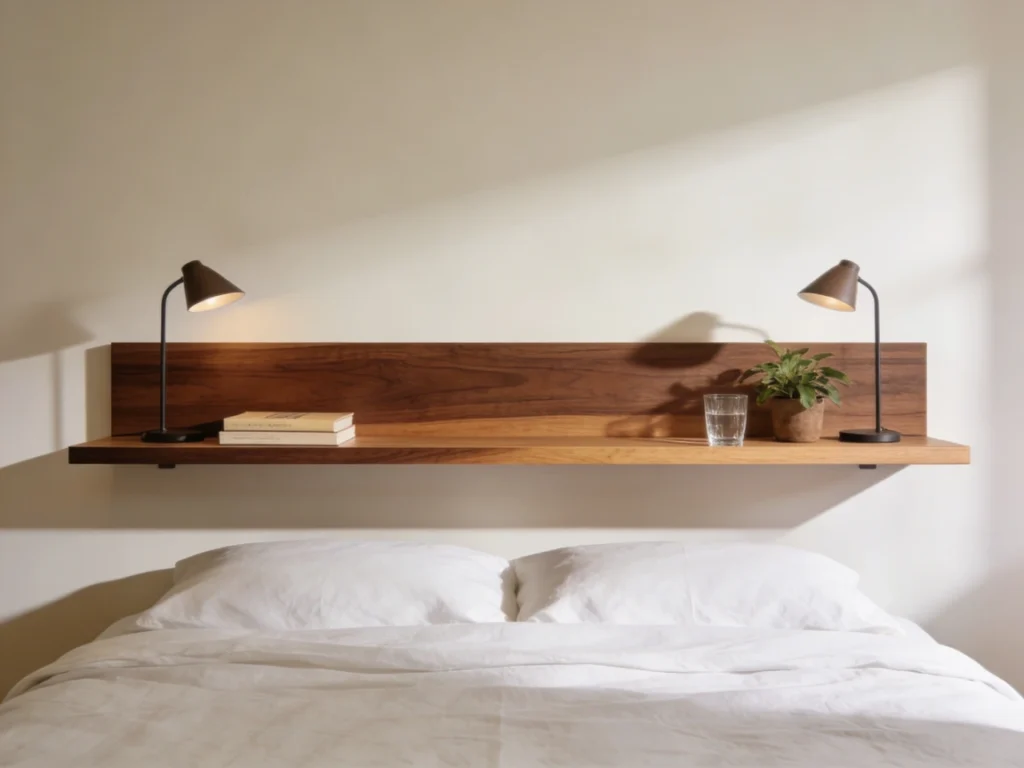
A floating wooden shelf used as a headboard — a wide, single plank of solid walnut, oak, or ash mounted on the wall behind the bed at headboard height, its clean horizontal line creating the visual structure and the spatial definition that a headboard provides without the physical bulk, the material cost, or the limited functional utility of a conventional upholstered or timber headboard, while simultaneously providing the practical surface that the two separate bedside tables on either side of the bed would otherwise need to supply — is the simple bedroom idea that most cleverly and most efficiently uses a single element to perform three simultaneous functions: defining the bed’s position within the room, providing display and storage surface, and creating the specific visual anchor at the bed’s head that the room’s complete furniture composition requires without an independently purchased headboard. The floating shelf headboard is the simple bedroom solution that generates the most design intelligence from the most economical and most spatially efficient means.
Mount the shelf at the precise height that positions its upper surface at the most practical bedside display level — typically 200 to 300 millimetres above the top of the mattress and pillow stack, at a height that places the surface within easy arm reach from the lying position for the bedside lamp switching, book accessing, and glass reaching that constitute the most common bedside interactions. Specify the shelf in a depth of 200 to 250 millimetres — sufficient width to accommodate a bedside lamp, a small plant, a book, and a glass of water on each half of the shelf without the overcrowding that a narrower shelf forces, while remaining slim enough that the shelf’s projection from the wall creates no overhead obstruction for sitting up in bed. Choose the timber species with specific attention to the bedroom’s complete material palette — walnut for the warmer, darker palette that creates the most dramatic contrast between the dark timber and white bedding, oak or ash for the lighter, more Scandinavian palette whose cool, pale timber connects most naturally to the fresh, linen-toned aesthetic of simple bedroom design. Install with concealed floating shelf brackets rather than visible shelf supports — the concealed bracket installation creating the specific visual effect of a shelf that cantilevers from the wall without visible means of support, which communicates the clean, precise aesthetic of genuinely considered design rather than the more casual appearance of bracket-supported shelving.
3. Linen Curtains Floor to Ceili
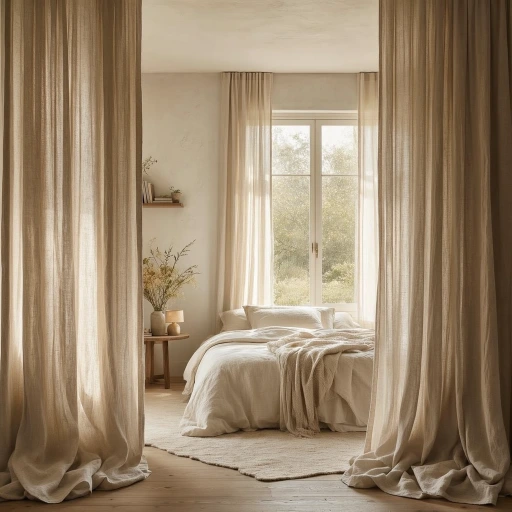
Floor-to-ceiling linen curtains in a soft oatmeal or natural undyed tone — mounted as close to the ceiling as structurally possible on a ceiling-height curtain rod rather than at the window’s frame height, the curtains’ full length creating the specific visual trick of dramatically elongated windows and dramatically elevated ceiling height that this installation technique reliably produces regardless of the actual window size or room height — is the simple bedroom idea that most effectively and most affordably transforms the apparent scale, the apparent luxury, and the apparent architectural generosity of a bedroom whose actual dimensions might be modest, whose actual windows might be standard, and whose actual ceiling height might be entirely ordinary, but whose floor-to-ceiling curtains create the impression of a room of genuine spatial grandeur whose ceiling height and window scale communicate a quality of domestic architecture that far exceeds the room’s actual construction. Floor-to-ceiling curtains are the single most accessible and most dramatically transformative spatial enhancement available for any bedroom.
Install the curtain rod at a maximum height of 100 millimetres below the ceiling — the closer to the ceiling the rod is mounted, the more dramatic the vertical elongation effect that the full-length curtains create, while a rod mounted at the conventional window-head height eliminates the effect entirely by visually capping the window at its actual architectural extent rather than extending it toward the ceiling plane. Specify the curtains in a fullness of minimum three times the window width — the generous gathering creating the specific luxurious fullness of a properly fullness-specified curtain rather than the flat, insufficiently gathered appearance of a curtain hung at its exact track width, which communicates a shortcutting of the investment that curtain fullness requires but that the completely different visual quality of the result most genuinely justifies. Choose a semi-sheer linen weight that allows natural light to filter softly through the fabric rather than the blackout weight that blocks all natural light — the soft filtered light quality of a semi-sheer linen curtain creating the specific morning light atmosphere of gentle, diffused illumination that waking in a beautiful bedroom most requires and most genuinely provides the specific quality of sensory pleasure that makes the bedroom’s morning light the day’s most important and most worth designing carefully. Add a blackout lining if sleep quality requires complete darkness — the lined curtain maintaining the semi-sheer appearance from outside while providing the sleep darkness that the lining supplies from within.
4. Soft Neutral Color Palette Throughout
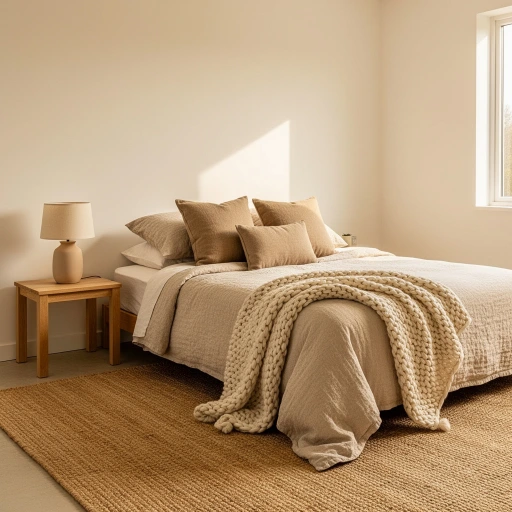
A complete soft neutral color palette throughout the bedroom — warm white walls, oatmeal linen bedding, sand-toned cushions, natural timber furniture, cream textiles, and a warm jute rug, every element in the same family of warm, undyed, natural-material-referencing tones whose specific color relationship creates the visual harmony of a room that feels unified, calm, and genuinely beautiful rather than the visual noise of a room whose individual elements might each be attractive in isolation but whose collective color variety creates the restless, unresolved quality of a space without a coherent design intention — is the simple bedroom idea that most completely and most effortlessly creates the specific atmosphere of quiet calm that the bedroom most needs as the home’s restorative sanctuary and whose achievement through the simplest possible means — the selection and commitment to a single coherent color story — demonstrates the profound truth that design intelligence is most powerfully expressed through restraint, reduction, and the courage to pursue simplicity rather than complexity as the primary design strategy.
Build the neutral palette from warm rather than cool neutral tones — the warm neutrals’ specific undertones of yellow, amber, and red creating a palette that feels welcoming, human, and sensory-rich rather than the cool neutrals’ blue and grey undertones that create a crisper, more clinical quality of visual calm that serves the minimalist aesthetic context most appropriately but that can feel lacking in warmth in the bedroom’s specific human requirement for comfortable, restorative atmosphere. Introduce textural variety as the primary vehicle for visual interest within the constrained neutral palette — varying the surface finish between the smooth plaster of the painted wall, the loose weave of the linen bedding, the pile of the knit throw, the rough natural weave of the jute rug, and the grain of the timber furniture for the rich, multi-dimensional sensory experience that prevents the neutral palette from reading as monotonous or under-designed. Test each element of the neutral palette against all other elements in the specific light quality of the bedroom — natural light, artificial warm light, and the combination of both — before committing to the complete scheme, as the specific appearance of warm neutrals changes significantly between different light sources and the harmony of the palette must work across all of the bedroom’s typical lighting conditions rather than only the most favorable ones.
5. Low Platform Bed Frame for a Grounded Feeling

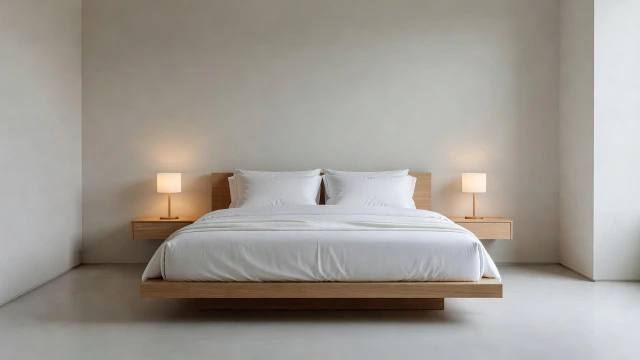
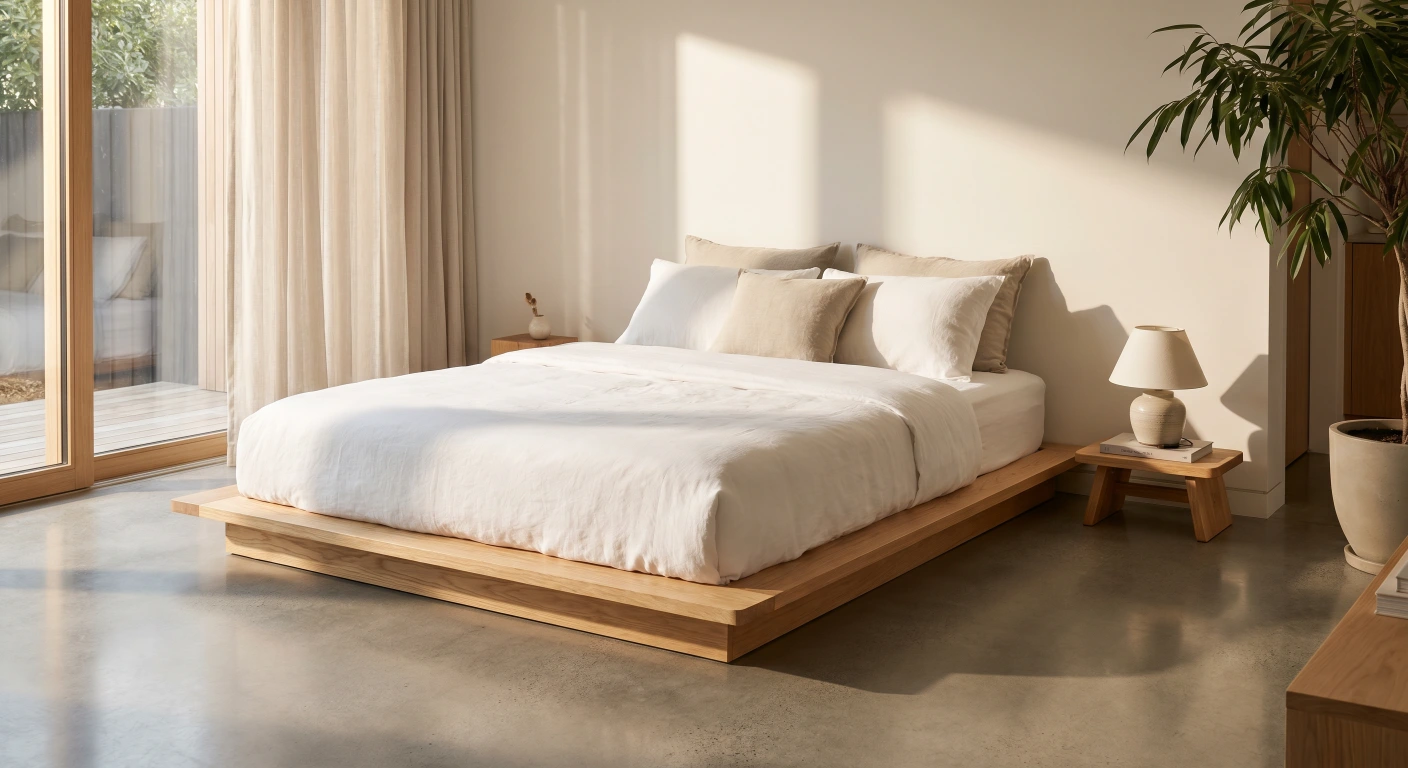
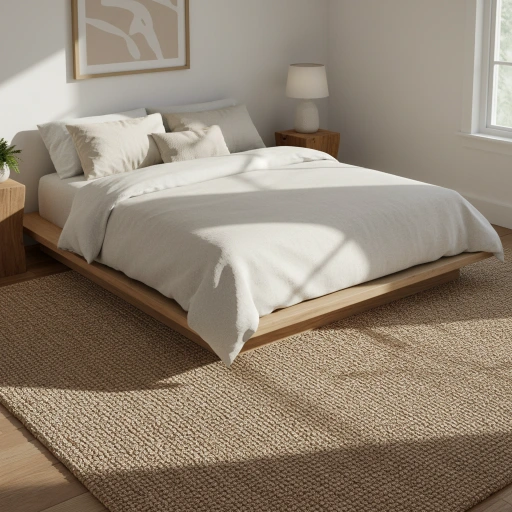
A low platform bed frame in natural oak or walnut — its bed surface positioned at approximately 300 millimetres above the floor rather than the conventional 600 millimetres of a standard bed with legs and base, the low height creating the specific grounded, intimate, floor-connected quality of sleeping that references the Japanese futon tradition and the Scandinavian platform bed heritage in equal measure while requiring no specific cultural commitment from the bedroom’s occupant beyond the appreciation of a sleeping environment that feels genuinely close to the earth in a way that conventionally elevated beds cannot approach — is the simple bedroom idea that most powerfully and most architecturally transforms the bedroom’s spatial character by altering the primary relationship between the room’s central furniture piece and the floor plane, creating a room that feels more expansive overhead, more intimately enclosed in the sleeping zone, and more connected to the horizontal plane of genuine rest and genuine relaxation. The low platform bed is the bedroom’s most architecturally significant single furniture decision.
Select a platform bed frame whose construction quality justifies the visual and spatial prominence that its low-to-the-floor format creates — a solid hardwood frame with visible joinery and a continuous, uninterrupted side rail profile communicating the deliberate, crafted quality that the platform bed format most beautifully achieves in genuinely quality furniture. Ensure the bedroom’s floor is in a condition worthy of the low bed’s visual relationship with it — the low platform bed frame drawing attention to the floor plane in a way that a conventionally elevated bed does not, making the floor’s material quality, cleanliness, and condition a significantly more important design element in the room with a low platform bed than in the room whose conventional bed height creates sufficient visual separation between the furniture and the floor to allow the floor to be a less prominently noticed element of the room’s complete design. Add a natural fiber rug of generous dimensions — extending at least 600 millimetres beyond the bed frame on all three accessible sides — for the soft, textural surface that the low bed’s proximity to the floor makes most practically important as the landing surface for bare feet at the bedside, and most aesthetically important as the ground plane element that frames the low bed’s horizontal form within the room’s complete floor composition.
6. Gallery Wall of Personal Photography
A salon-style gallery wall of black and white personal photographs — travel memories, family moments, beloved landscapes, and cherished personal images printed in consistent black and white, displayed in mismatched but harmoniously related simple frames in black and natural wood, arranged in an organic, asymmetric composition behind the bed — is the simple bedroom idea that most personally and most warmly transforms the most generic and most impersonal element of a conventionally decorated bedroom — the blank wall art — into a genuine expression of the occupant’s specific life, specific relationships, and specific visual memories that no purchased artwork, however beautiful, can replicate or approximate with the specific emotional resonance of an image of a place you actually went, a person you actually love, or a moment you actually lived. The personal photography gallery wall is the bedroom decoration that makes the room feel genuinely, irreversibly, specifically yours rather than a pleasantly decorated space that could belong to anyone.
Print all photographs in a consistent black and white treatment rather than color — the conversion to black and white creating the visual unity that makes a diverse collection of images from different sources, different lighting conditions, and different time periods cohere as a single, intentional gallery rather than the colorful, visually competing collection of mixed photographic styles that the same images in color would produce on the same wall. Print at a minimum of three or four different sizes — the largest prints at approximately A3 or larger, medium prints at A4, and smaller prints at A5 or postcard size — for the scaled variety that creates visual rhythm and hierarchy within the gallery’s composition rather than the flat uniformity of a gallery wall where all prints are the same size. Arrange the gallery wall using paper templates before committing to nail positions — cutting paper to each frame’s exact dimensions, taping the templates to the wall in the planned arrangement, and assessing the overall composition from the room’s normal viewing distance before making any permanent holes in the wall, adjusting the template positions until the asymmetric balance and the visual relationship between prints feels genuinely right rather than approximately adequate.
7. Bedside Table Styling with a Single Lamp and Plant
The perfectly simple bedside table — a single warm-toned table lamp, one small trailing plant in a white ceramic pot, a single beautiful book placed face-up with its cover as a visual element, and a glass of water — nothing more — styled with the specific restraint that the most visually calming and most genuinely beautiful bedside tables consistently achieve through the principle of editing rather than accumulation, keeping only what genuinely serves the daily use of the bedside position and genuinely contributes to the visual composition of the bedside tableau rather than the common approach of filling every available surface area with objects whose collective presence creates visual noise rather than visual harmony, is the simple bedroom idea that most immediately and most accessibly transforms the bedroom’s visual quality through the single most impactful daily design decision available: the deliberate editing of the bedside table to its most essential, most beautiful, and most genuinely purposeful elements. The bedside table’s specific styling quality has a disproportionately large influence on the bedroom’s overall visual character.
Choose the table lamp with specific attention to its proportional relationship with the bedside table rather than its independent visual appeal — a lamp whose shade diameter and base height together create the correct scale for the bedside table’s surface area, with neither the oversized lamp that dominates the table visually nor the undersized lamp that appears tentative and insufficient for the bedside’s practical illumination requirement. Select the small plant for its trailing character — a small pothos, a delicate string of pearls, or a compact tradescantia trailing gently over the pot’s edge creating the soft, organic quality of natural material that the bedside table most beautifully accommodates at its small scale, rather than the upright plant whose vertical growth habit competes with the lamp’s vertical form rather than contrasting with it through the horizontal trailing movement. Position the single book face-up with the cover visible rather than hiding it with the spine facing outward — the cover’s image or typography contributing to the bedside styling as a deliberately chosen visual element whose specific content, selected from among the many books on the bedside table pile, communicates a current reading interest and a current aesthetic sensibility more personally and more specifically than any purchased decorative object can achieve.
8. Woven Jute or Sisal Rug Under the Bed
A large natural jute or sisal rug positioned with generous overhang on all three accessible sides of the bed — extending at least 600 millimetres beyond the bed frame on both sides and at the foot, its warm honey-brown natural fiber texture and organic, slightly rough weave creating the specific sensory warmth of a natural material floor covering whose connection to the plant world is immediately apparent in both its visual character and its tactile quality — is the simple bedroom idea that most warmly and most practically grounds the bedroom’s complete furniture composition in the specific material quality of natural fiber that connects the room’s visual program to the organic, plant-derived material culture that simple, natural bedroom design most authentically draws upon. The natural fiber rug is the bedroom’s most important single floor element — its area, its texture, its warmth, and its material identity all contributing more to the room’s overall sensory character than any other floor covering choice available at any comparable investment level.
Size the rug generously rather than economically — the most common bedside rug mistake being a rug too small to create the visual grounding effect that the rug’s primary compositional function requires, with the correct rug extending far enough beyond the bed on all sides to read as the furniture group’s ground plane rather than a small mat positioned apologetically beside the bed. For a queen-size bed, a minimum rug size of 240 by 340 centimetres creates the correct proportional relationship between the rug and the bed frame it anchors, while a king-size bed requires a minimum of 270 by 370 centimetres for the same visual effect. Treat the jute or sisal rug with a protective spray designed for natural fiber rugs before installation — the protective treatment reducing the water absorbency that makes untreated natural fiber rugs vulnerable to staining from the morning glass of water, the dropped cup of evening tea, and the other liquid-involving accidents that the bedside position’s daily use inevitably includes across the years of the rug’s continuous service.
9. Sheer White Canopy Above the Bed
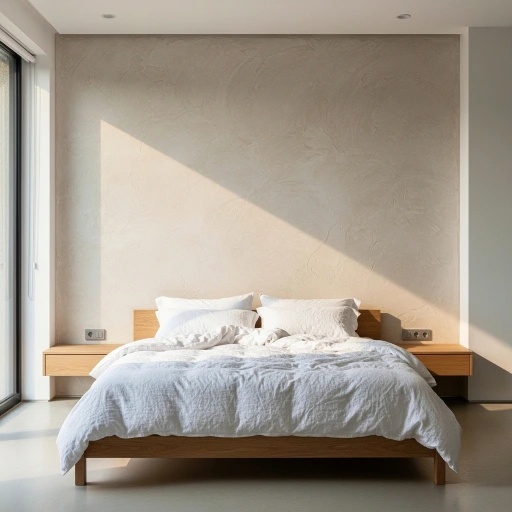
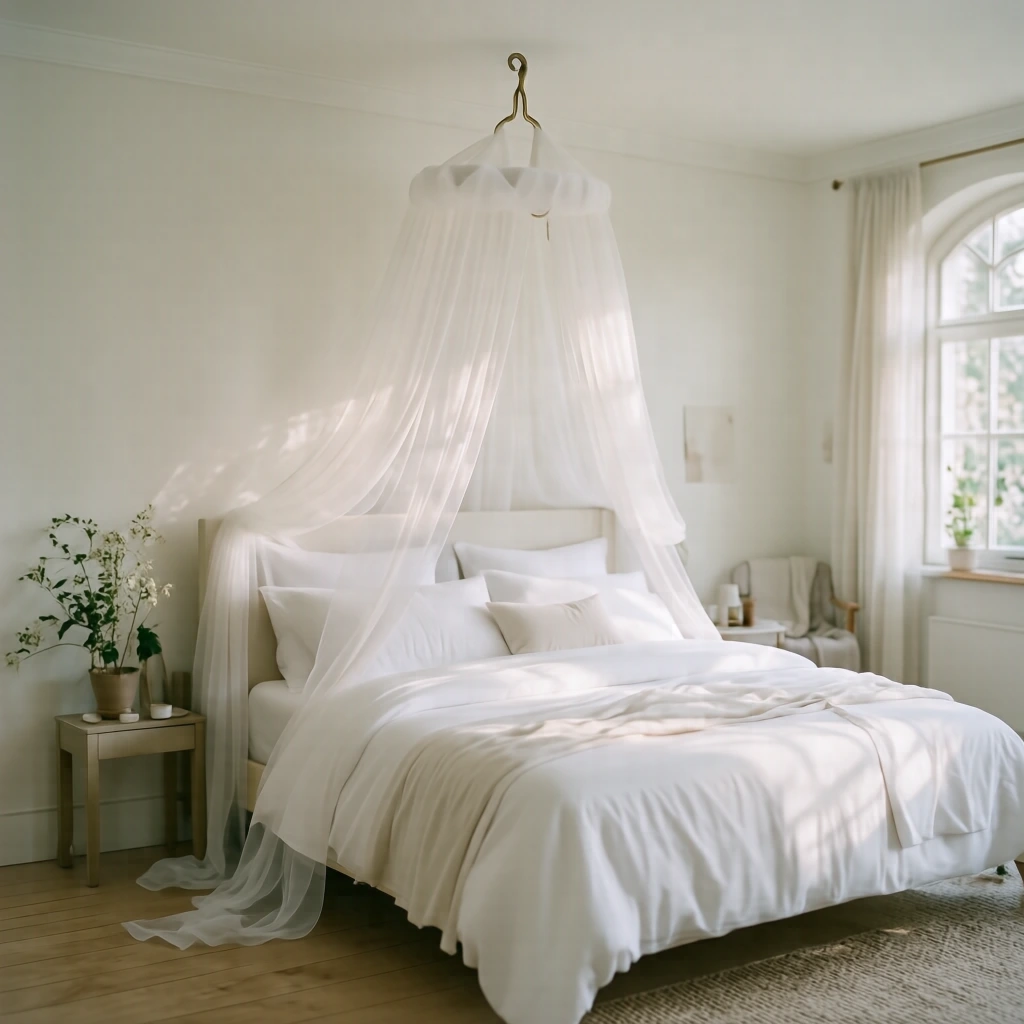
A sheer white canopy — lightweight cotton muslin or silk organza gathered at a single ceiling hook positioned directly above the bed’s center and allowed to fall in soft, generous folds on either side of the headboard area, the fabric’s sheerness filtering the morning light into the beautiful diffused, slightly colored quality of light seen through moving white fabric — is the simple bedroom idea that most romantically and most affordably creates the specific enclosed, intimate, protected quality of a canopied bed without the architectural permanence of a four-poster frame, the material cost of a structural canopy installation, or the visual weight of a heavier fabric treatment that can make the ceiling feel lower and the room feel smaller rather than creating the dreamy, floating quality of light-as-a-feather white sheer fabric. The sheer white canopy is the bedroom’s most magical and most accessible transformation — requiring only one ceiling hook, several metres of inexpensive muslin or organza, and the willingness to commit to the specific romantic aesthetic that a bed canopy most definitively and most irreversibly creates.
Purchase the canopy fabric generously — a minimum of six metres for a standard queen or double bed, eight metres for a king — the generous yardage being the single most important factor in creating the full, floating, luxuriously draped quality that makes the sheer canopy most beautiful, as an insufficient fabric quantity creates a sparse, inadequate drape that looks like an accidental piece of fabric rather than the deliberately abundant, dreamily ethereal installation that a properly-provisioned canopy achieves. Choose the finest weight muslin or organza available — the weight being critical because the lightest fabrics respond most sensitively to the room’s air movement, creating the specific gentle swaying and soft billowing that makes the canopy appear alive and responsive rather than static and lifeless. Install the ceiling hook with genuine structural attention — using a toggle bolt if the hook position does not correspond to a ceiling joist, and specifying a hook rated for a weight of at least five times the canopy fabric’s actual weight to account for the leverage force that the gathered fabric applies to the hook rather than the simple vertical load that the fabric’s weight alone creates.
10. Warm Wooden Nightstands with Natural Grain
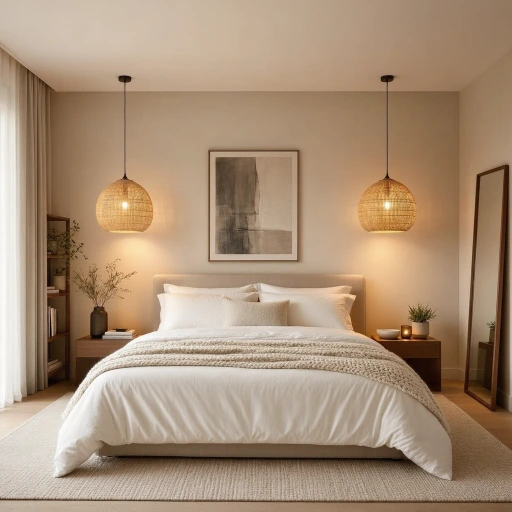
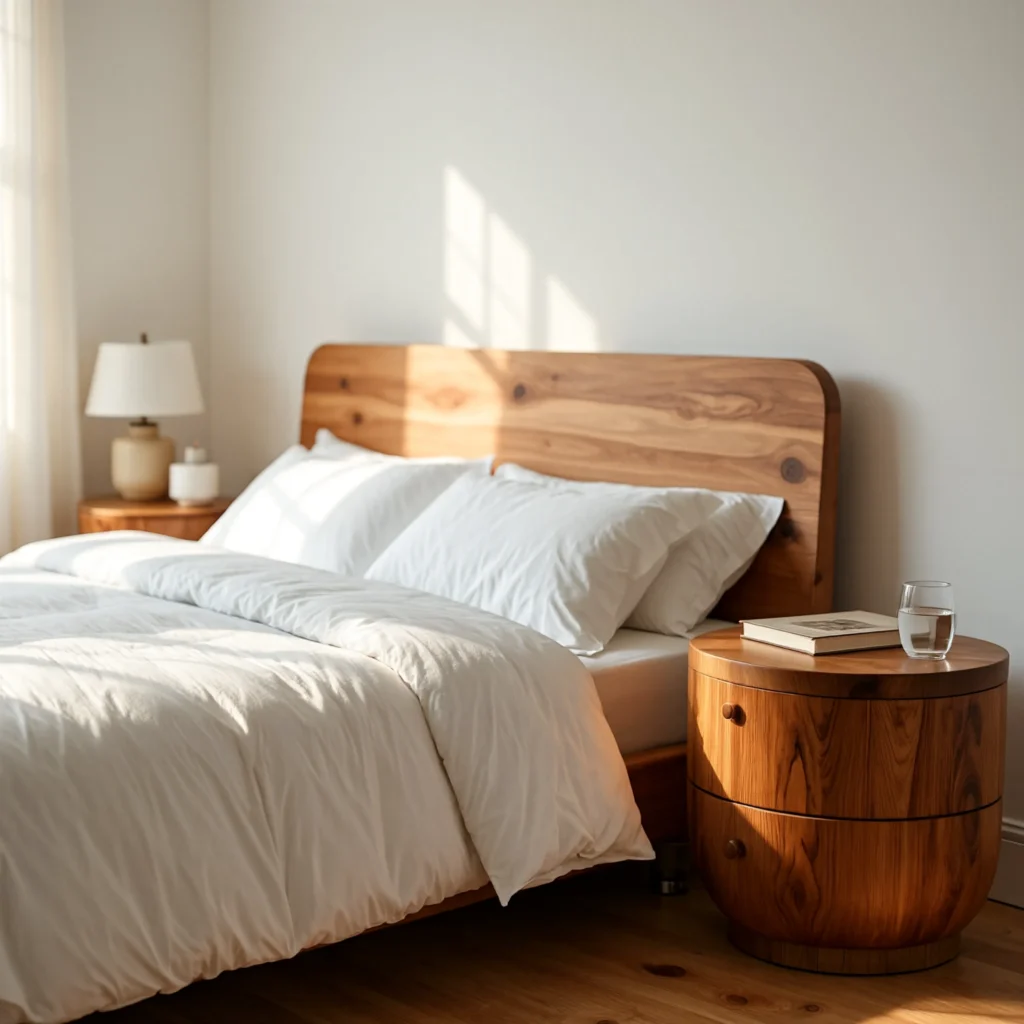
A pair of warm wooden nightstands in natural oak or walnut — their round or organically shaped form chosen specifically over the conventional rectangular alternative for the visual softness and the mid-century modern reference that a curved or organic nightstand form most naturally provides, their natural grain clearly visible through a simple oil or wax finish rather than a lacquer or paint that would obscure the timber’s most beautiful surface characteristic — positioned on each side of the bed and styled with simple, edited bedside arrangements, is the simple bedroom idea that most naturally and most warmly provides the practical bedside storage and surface functionality the bedroom requires while simultaneously contributing the specific material warmth of genuine natural timber to the bedside’s most consistently and most intimately observed design zone. The wooden nightstand is the bedroom furniture piece that most directly and most continuously communicates the bedroom’s material values through its daily handling, its observed grain in morning light, and its warm, quiet presence at the periphery of the bed’s primary sleeping composition.
Choose the nightstand form that is most proportionally appropriate for the specific bed height — a nightstand whose surface height is within fifty millimetres of the mattress top providing the most ergonomically comfortable and most visually harmonious relationship between the bedside table and the sleeping surface, while a table significantly higher or lower than the mattress creates both a visual discontinuity and a practical inconvenience that the bedside’s frequent daily use immediately registers as unsatisfying. Select a solid timber nightstand rather than a veneered alternative — the solid timber communicating material quality at every edge, every joinery point, and every incidental touch in a way that the veneer surface, however beautiful in large flat panels, reveals its substrate material at every exposed edge and every structural junction. Finish the timber with a hard-wax oil rather than a lacquer or polyurethane — the oil finish creating a surface that feels like wood rather than like plastic-coated wood, that deepens in color and beauty with use rather than yellowing and peeling with age, and that can be refreshed with a simple additional oil application rather than the complete stripping and refinishing that worn lacquer requires.
11. Textured Limewash or Venetian Plaster Feature Wall
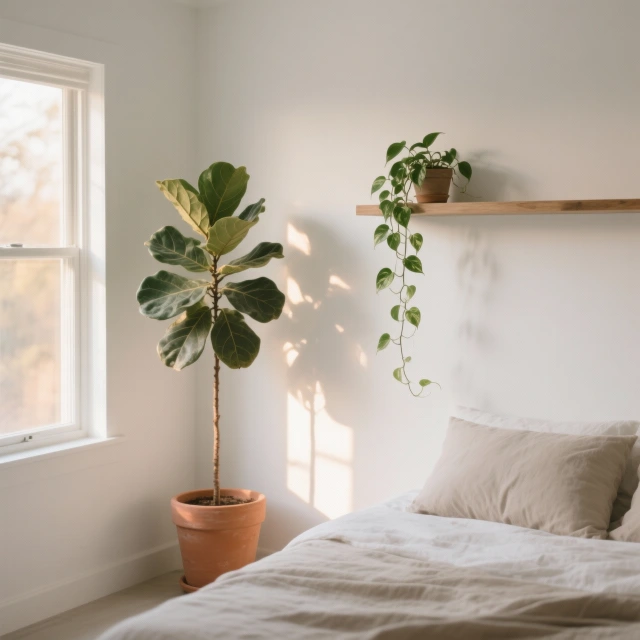
A limewash or Venetian plaster textured feature wall behind the bed — the wall’s surface showing the specific organic depth, the subtle color variation, and the complex visual texture of a multi-layer application technique that creates a wall finish of extraordinary material beauty from apparently simple means, the limewash’s characteristic chalky, aged quality or the Venetian plaster’s smooth, polished marble-like depth both creating a finish that no flat paint application can approach in richness of surface character and that transforms the headboard wall from a simple painted surface into a genuinely architectural feature worthy of centering a room’s complete design program around — is the simple bedroom idea that most powerfully and most permanently creates a bedroom of extraordinary visual quality from the single, fully committed investment in one wall’s exceptional surface treatment while maintaining the complete simplicity of the room’s remaining elements. The textured plaster feature wall is simultaneously the simplest and the most sophisticated single-element bedroom transformation available.
Apply the limewash in multiple thin layers rather than a single thick coat — the specific beauty of limewash finish developing from the layering of three to five translucent wash applications, each allowed to partially dry before the next is applied, whose accumulated depth creates the three-dimensional visual character that single-coat application entirely lacks. Each limewash layer should be applied with a wide, dry natural-bristle brush using random, overlapping strokes in multiple directions rather than the uniform parallel strokes of conventional paint application — the deliberately variable application creating the specific organic irregularity of tone and texture that makes limewash beautiful rather than the even, controlled coverage whose uniformity defeats the technique’s fundamental aesthetic purpose. Choose the limewash or Venetian plaster color from the warm white or greige range — avoiding the cool whites and cool greys that create a clinical plaster finish rather than the warmly atmospheric depth that warm undertone colors create in a multi-layer technique whose subtlety of tone variation is most fully appreciated in warm light. Apply to the single headboard wall only — the feature wall’s visual impact being completely dependent on the contrast between the textured surface and the smooth, flat surfaces of the remaining walls, whose unadorned simplicity makes the textured wall appear more dramatically beautiful by comparison.
12. Simple Pendant Light Bedside Alternative
Pendant lights hanging from the ceiling on both sides of the bed — replacing conventional bedside table lamps entirely and freeing the bedside table surface from the lamp’s base and cord, which together typically occupy thirty to forty percent of the available bedside surface area, for the minimal, uncluttered styling of the freed surface that creates the specific visual calm of a bedside without the visual complexity of lamp bases, cords, and the accumulated objects that the remaining surface invites — is the simple bedroom idea that most practically and most elegantly solves one of the bedroom’s most persistent visual organization challenges through the single, decisive architectural intervention of moving the light source from the surface to the ceiling, creating a bedroom of greater visual simplicity, greater practical bedside surface area, and greater lighting design sophistication simultaneously from one decision. The pendant bedside light is the bedroom detail that designers most consistently recommend for its combination of aesthetic and practical benefits and that most bedroom occupants who try it are reluctant to return to the table lamp alternative.
Install the pendant lights on individual switched circuits rather than a shared circuit — the ability to switch each pendant independently being essential for the practical night-reading scenario of one partner reading while the other sleeps, which is the specific use case that the bedside lamp most commonly serves and that the pendant light must serve with equal practical convenience. Hang each pendant at a height that positions the shade’s lower edge at precisely the correct reading light position — approximately 500 millimetres above the mattress surface and directly beside the pillow position, the height providing the focused pool of light on the reading material that reading in bed requires without the glare that a higher position creates by placing the light source within the upward-directed line of sight from the lying position. Choose pendant shades whose light output is directed downward toward the reading surface rather than in all directions — a drum or cone shade directing the majority of its light output downward while the open top allows some upward light for the ambient contribution that makes the pendant bedside light most successful as a complete replacement for the table lamp rather than a supplement to it.
13. Woven Rattan or Wicker Bedside Table
A round woven rattan or wicker bedside table — its warm honey-brown color and organic weave texture providing the most characterfully natural and most visually warm bedside surface available in the simple bedroom’s furniture vocabulary, its round form’s absence of corners creating a visual softness that the rectangular alternatives at the same scale consistently lack, and its natural material identity contributing the specific organic warmth that the simple, white-linen-and-natural-timber bedroom most needs at the bedside scale to prevent the room’s simplicity from reading as cold or sterile rather than genuinely calm and genuinely beautiful — is the simple bedroom idea that most cost-effectively and most naturally introduces the textural richness of handwoven natural material into the bedroom’s most intimate and most consistently observed furniture zone. The rattan bedside table is the simple bedroom detail that makes the room feel genuinely collected, genuinely warm, and genuinely personal without requiring a significant design investment or a complex styling decision.
Source the rattan bedside table from a specialist natural fiber furniture supplier rather than a mass-market home goods retailer — the quality of the weave’s regularity, the consistency of the cane strands’ color and width, and the structural integrity of the frame beneath the woven surface all being significantly better in the specialist product than in the mass-market alternative whose lower price reflects a quality compromise that the daily-use context of bedside furniture most clearly reveals through the progressive loosening of the weave, the cracking of insufficiently quality-treated cane, and the structural weakness of a frame not engineered for the combination of sustained weight-bearing and regular handling that the bedside position requires. Protect the rattan bedside table from the moisture exposure that the bedside position inevitably creates — the regular placement of a water glass, the occasional spill, and the ambient humidity variation of a regularly occupied bedroom all requiring a surface treatment of the rattan with a light application of furniture wax or a dedicated natural rattan sealer that prevents the moisture absorption that causes natural cane to swell, crack, and eventually structurally fail without adequate protection.
14. Minimalist Plant Styling
Minimalist plant styling — two carefully chosen plants positioned with genuine attention to their light requirements, their scale relative to the room’s proportions, and their specific formal character rather than the popular but visually cluttered approach of multiple small plants arranged across every available surface — a single large fiddle-leaf fig in a terracotta pot positioned in the corner of the bedroom where it receives the most natural light, and one small trailing pothos on the bedside shelf whose cascading growth creates gentle organic movement at the bedside scale — creates the specific quality of genuine botanical presence in the simple bedroom whose specific character is genuinely alive and genuinely growing rather than the static, artificial quality of decoration that mimics natural material without the actual vitality that living plants provide. Two plants chosen well and positioned thoughtfully create more genuine visual impact and more genuine atmospheric warmth than twenty plants arranged without design consideration.
Choose the large corner plant specifically for its capacity to fill the room’s vertical space at ceiling height rather than merely occupying the floor level — the fiddle-leaf fig, the bird of paradise, and the large-leaf monstera all growing to genuine architectural scale that creates a living, plant-based ceiling element whose canopy of large leaves contributes to the room’s complete vertical composition in the way that the corner position’s otherwise empty overhead space most warmly and most naturally requires. Position the large plant in the corner that receives the most hours of natural indirect bright light — the specific light requirement of the chosen species determining the corner’s suitability for the plant’s long-term health and continued growth, and the plant’s continued healthy growth being the fundamental condition of its continued visual contribution to the room’s atmospheric quality. Water both plants at a consistent frequency appropriate to each species’ specific needs rather than the generic watering schedule that most plant care advice provides without reference to the actual light levels, temperature, and humidity conditions of the specific bedroom — the most common cause of indoor plant death being overwatering, whose prevention requires observing the soil moisture condition rather than following a fixed calendar schedule regardless of the plant’s actual water status.
15. Drawer Pulls and Hardware as a Design Detail
Beautifully chosen drawer pulls and door hardware — warm brass bar pulls on the bedside tables, ceramic knobs on the dresser in a warm cream or speckled tone, and brass hinges on the wardrobe doors, all selected from the same material family but varying in their specific form for the coordinated but not matched quality that distinguishes thoughtfully curated hardware from the rigidly matched hardware sets that communicate a different and less interesting quality of design decision-making — is the simple bedroom idea that most subtly and most significantly communicates the bedroom’s complete design intelligence through the smallest, most intimate, and most frequently touched objects in the room’s complete material inventory. Hardware is the bedroom’s detail element that most clearly demonstrates whether genuine design thought has been applied to every scale of the room’s complete design program or whether the design investment stopped at the larger, more obviously visible elements while neglecting the smaller, less conspicuous ones whose quality the most discerning and most design-aware visitors notice and appreciate most specifically.
Source hardware from a dedicated hardware specialist rather than a furniture flatpack retailer — the quality of the brass casting, the weight of the pull in the hand, the precision of the mounting hole spacing, and the surface finish’s longevity all being significantly better in specialist hardware than in the retail furniture package alternatives whose lower price reflects quality compromises that the daily-touch context of hardware most immediately and most persistently reveals. Specify genuine brass rather than brass-finished zinc alloy for pulls and knobs — the genuine brass’s specific warm color and the specific way it develops a living patina with use creating a surface that becomes more beautiful and more characterful over time, while the brass-finished zinc alloy maintains a static, uniform surface that neither improves with use nor develops the patina depth that genuine brass most beautifully achieves. Install hardware with genuine precision — using a template for multiple drawer pulls to ensure identical spacing on every drawer, drilling pilot holes at exactly the specified depth to prevent the drawer face splitting, and torquing the fixing bolts to a consistent tension that holds the pull firmly without the slight rotation that under-tightened bolts allow and that immediately communicates imprecise installation to anyone who touches the pull.
16. Layered Throw and Cushion Arrangement
A thoughtful layered throw and cushion arrangement — two white linen sleeping pillows at the bed’s head, two slightly smaller cushions in a warm oatmeal or soft sage tone in front of the sleeping pillows, a long cylindrical bolster in a textured natural linen or boucle as the arrangement’s third layer, and a cashmere or fine wool throw in a warm earth tone draped across the foot of the bed in a single, unhurried gesture that creates the most naturally beautiful drape available from a throw’s relaxed placement — is the simple bedroom idea that most precisely and most accessibly demonstrates the specific principle that the most beautiful bed styling achieves visual depth, tactile variety, and layered warmth through the systematic addition of distinct elements in a clear organizational progression from the pillows’ structural background layer through the cushions’ decorative foreground layer to the throw’s relaxed conclusion, rather than the random accumulation of multiple cushions in multiple colors whose collective complexity communicates busy-ness rather than thoughtfulness. The layered bed is the bedroom’s most consistently examined and most aspirationally photographed element.
Limit the complete cushion and pillow arrangement to a maximum of five elements — the two sleeping pillows, two decorative cushions, and one bolster — for the specific visual clarity and apparent effortlessness that a concisely edited pillow arrangement most successfully achieves. The bedside table styling section’s principle of editing rather than accumulating applies with equal force to the bed’s cushion arrangement, where the most frequent decorating error is too many cushions in too many different sizes and colors rather than too few. Choose the decorative cushions in dimensions that create the most visually balanced relationship with the sleeping pillows behind them — a decorative cushion whose face dimension is between fifty and sixty-five percent of the sleeping pillow’s face creates the correct visual proportion for the layered arrangement, with smaller cushions appearing insufficient and larger cushions appearing merely as additional sleeping pillows rather than the distinct decorative element that the layered arrangement’s second-tier position requires. Drape the throw with genuine spontaneity — placing it across the bed’s foot without the precisely geometric folding that removes the throw’s most important quality of casual, relaxed warmth whose beautiful contradiction of the bed’s otherwise carefully arranged presentation gives the complete styling its specific, genuine humanity.
17. Minimal Art — One Piece Done Right
A single large artwork hung above the bed at the perfect height — an abstract painting in warm earthy tones, a large format black and white landscape photograph, or a bold print in a color drawn specifically from the bedroom’s complete palette, the artwork hung in the visual center of the headboard wall at a height that positions its optical center at approximately 1600 millimetres above the floor, nothing else on any wall in the entire room — is the simple bedroom idea that most confidently and most philosophically challenges the decorating instinct to fill available wall space with multiple artworks, asserting instead the counter-intuitive but visually demonstrable truth that a single artwork given the complete visual solitude of an uncompeted wall is more powerful, more commanding, and more capable of genuine impact than the same artwork surrounded by and competing with multiple smaller pieces. The single artwork given full visual space is the bedroom’s most elegant and most sophisticated decorating decision.
Choose the artwork’s dimensions specifically for the headboard wall’s proportions — an artwork whose width spans at least fifty percent of the bed’s width creates the minimum scale required for the single artwork to fill its allotted wall space with visual confidence, while an artwork that spans seventy to eighty percent of the bed’s width creates the maximum scale that the headboard wall most powerfully accommodates without the artwork overwhelming the bed’s presence rather than anchoring and enhancing it. Hang the artwork at a height that centers the piece visually for the room’s primary viewing position from the bedroom’s entry point — the conventional fifty-seven inch center-height rule providing a useful starting point but requiring adjustment for the specific room proportions, the artwork’s size, and the bed height’s relationship with the wall below the artwork whose relative visual weight affects the optical center calculation more significantly than the room’s floor level reference point. Frame the artwork in a simple, minimal frame whose profile width and material are selected to harmonize with the bedroom’s complete material palette rather than to make a separate statement — the frame’s role being to contain and present the artwork rather than to contribute an additional design element to the room’s already carefully considered and already sufficient material vocabulary.
18. Simple Reading Nook with a Vintage Chair
A reading nook created from a single vintage armchair — positioned beside the bedroom’s window for maximum natural reading light, accompanied by a small round side table with a lamp and a stack of books, defined by a small area rug that marks the nook’s specific territory within the larger bedroom floor plan and signals to both the room’s occupant and its visitors that this corner has a dedicated purpose distinct from the bed’s sleeping purpose — is the simple bedroom idea that most warmly and most humanly recognizes that the bedroom is a room for being as well as sleeping, creating a specific place within the sleeping space for the quiet, private, deeply restorative activities of reading, thinking, and simply sitting in the quality of privacy and physical comfort that the bedroom’s sanctuary status most uniquely and most generously provides. The reading nook is the simple bedroom addition whose human value most exceeds its spatial footprint and its investment cost in the genuine daily enrichment of the bedroom’s complete occupancy experience.
Source the vintage armchair from a second-hand furniture market, an antique dealer, or an online vintage marketplace rather than purchasing a new reproduction — the genuine vintage chair’s specific quality of previous occupation, its slightly worn upholstery, its aged timber, and its accumulated patina creating the specific warmth of an object that has already been lived with rather than the crisp, un-softened quality of a new chair that requires years of use before achieving the comfortable, inhabited appearance that the reading nook most naturally and most appropriately accommodates. Reupholster if necessary in a warm velvet, worn leather, or heavy linen whose color connects to the bedroom’s complete palette — choosing a hue that harmonizes with the room’s existing neutral range while introducing sufficient color depth to make the chair a genuine accent element rather than an element that disappears tonally into the surrounding neutrals. Position the chair specifically for the morning light — the reading nook’s most pleasurable occupation occurring in the specific quality of natural morning light that streams through a bedroom window, whose direction and quality the chair’s exact position determines, and whose warmth and directionality create the most genuinely beautiful and most genuinely productive reading environment available in any domestic room at any hour of the day.