17 Mid Century Modern Home Secrets to Know
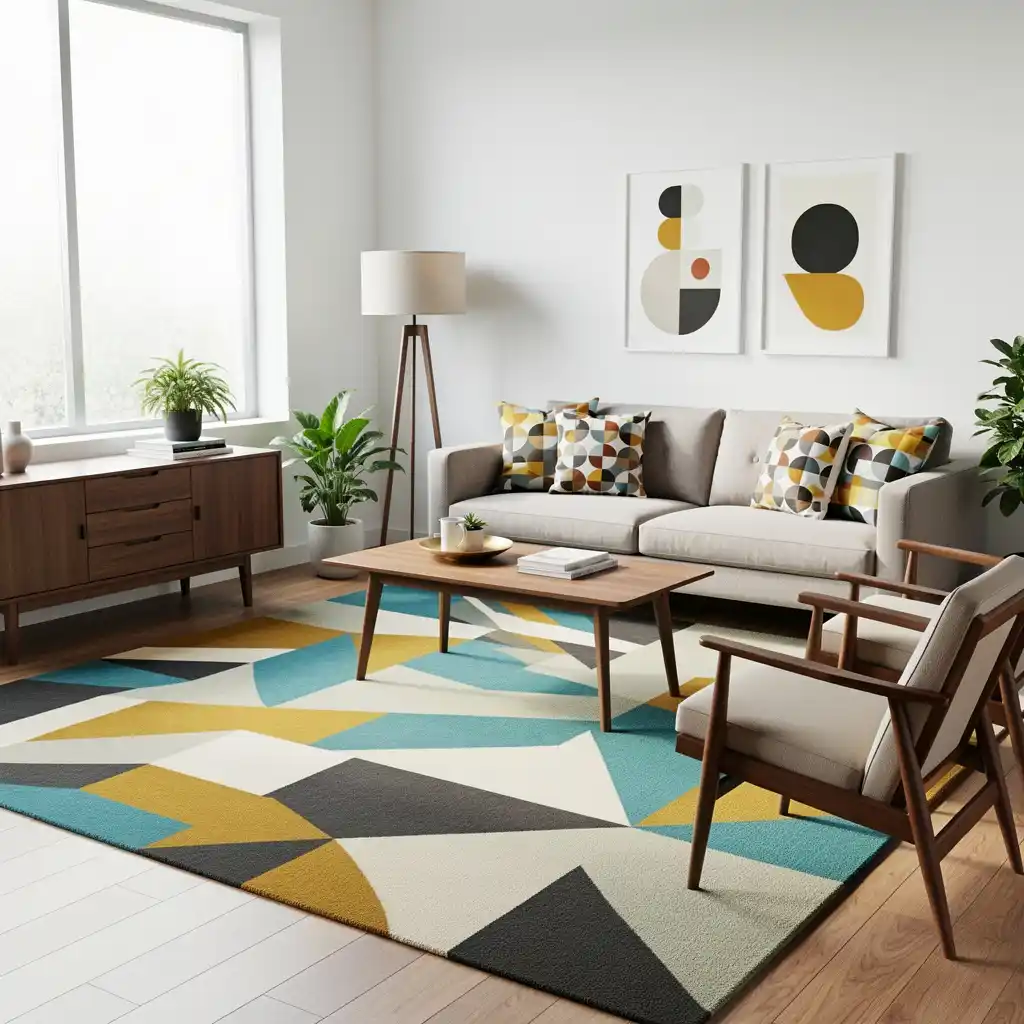
1. Embrace Clean Architectural Lines
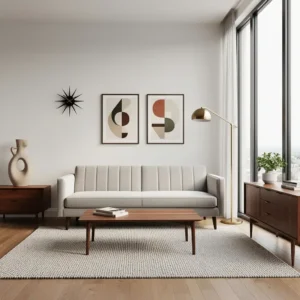
One of the biggest secrets behind mid century modern homes is their emphasis on clean architectural lines. Instead of ornate decoration, the style focuses on simple geometric shapes and balanced proportions. Straight edges, flat planes, and uncluttered silhouettes create a space that feels calm and timeless.
Furniture and architecture work together to highlight structure rather than decoration. Low-profile sofas, sleek wooden tables, and streamlined cabinetry reinforce the minimalist approach. This focus on simplicity helps the home feel open, functional, and effortlessly stylish decades after the style first became popular.
2. Let Natural Light Take Center Stage
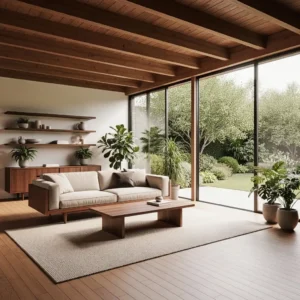
Natural light plays a major role in mid century modern homes. Large windows, sliding glass doors, and open layouts allow sunlight to fill the interior throughout the day. This design approach creates a bright and welcoming atmosphere.
Position furniture to maximize views and avoid blocking windows. Light curtains or no window coverings at all help maintain the connection to the outdoors. By prioritizing daylight, mid century interiors feel more spacious and harmonious with their surrounding environment.
3. Choose Low Profile Furniture
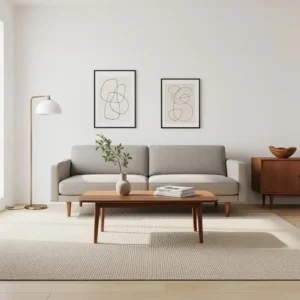
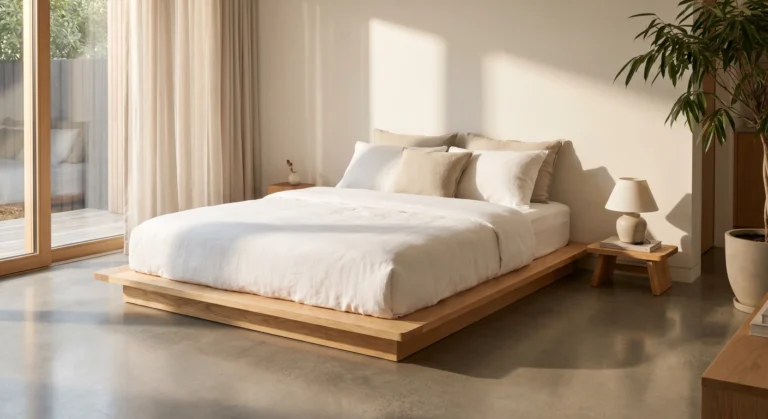
Low profile furniture is a signature element of mid century modern interiors. Sofas, chairs, and tables sit closer to the ground, creating a horizontal visual line that makes rooms feel larger and more open. The design keeps the focus on space rather than bulky pieces.
This style works especially well in rooms with large windows or high ceilings. The lower furniture allows architectural features to stand out. It also enhances the relaxed, casual atmosphere that defines mid century living.
4. Mix Natural Materials
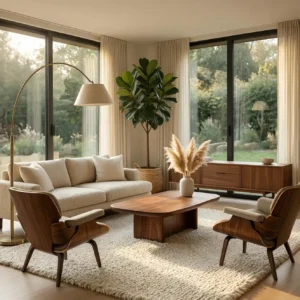
Mid century design celebrates the beauty of natural materials. Wood, leather, stone, and metal often appear together to create warmth and balance. Walnut furniture paired with leather seating is a classic example of this harmonious mix.
Combining textures prevents the room from feeling flat while still maintaining simplicity. Natural finishes also age beautifully over time. This thoughtful material combination gives mid century homes their distinctive richness and authenticity.
5. Highlight Indoor Outdoor Living
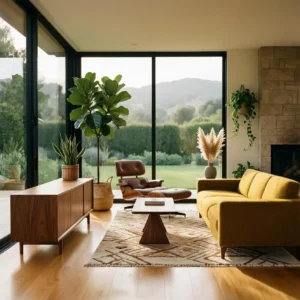
A key secret behind mid century homes is the seamless connection between indoors and outdoors. Architects designed large glass doors and patios to extend living spaces into nature. This layout encourages relaxation and social gatherings.
Outdoor areas often mirror the interior style with similar materials and colors. Simple landscaping, stone pathways, and comfortable seating create a cohesive experience. The result is a home that feels connected to its environment.
6. Use Bold Accent Colors
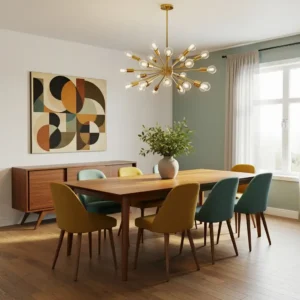
Although the overall palette is often neutral, mid century interiors are known for bold accent colors. Mustard yellow, burnt orange, teal, and olive green appear in furniture, artwork, and décor pieces.
These pops of color add personality without overwhelming the design. The secret is keeping the base neutral while introducing color through smaller elements. This balance creates a vibrant yet controlled aesthetic.
7. Incorporate Statement Lighting
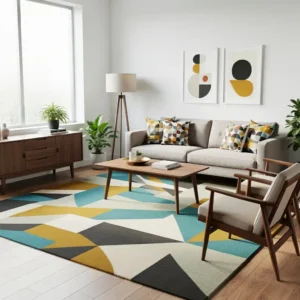
Lighting plays both a functional and decorative role in mid century design. Sculptural fixtures such as starburst chandeliers or globe pendants act as focal points within a room.
These statement lights add character while reinforcing the era’s futuristic inspiration. When combined with simple furniture, the lighting becomes a piece of art that enhances the entire interior.
8. Focus on Functional Design
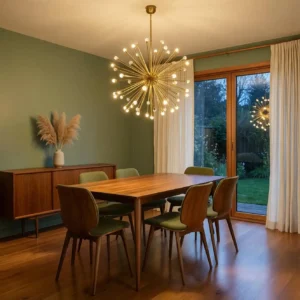
Mid century homes prioritize functionality alongside aesthetics. Every piece of furniture and layout choice serves a practical purpose. Storage solutions are integrated seamlessly into the design.
Cabinetry, shelving, and furniture often feature clever details that maximize efficiency. This practical approach ensures the home remains comfortable and easy to live in while still looking stylish.
9. Add Geometric Patterns
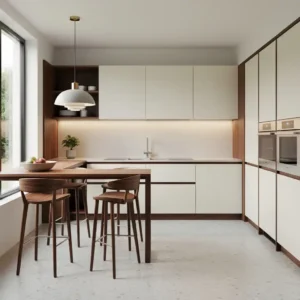
Geometric patterns bring playful energy to mid century interiors. Rugs, cushions, and artwork often feature repeating shapes or abstract designs inspired by the modernist movement.
Use patterns sparingly to maintain balance. A single geometric rug or patterned pillow set can add visual interest without cluttering the room. This subtle touch reflects the creative spirit of the era.
10. Embrace Open Layouts
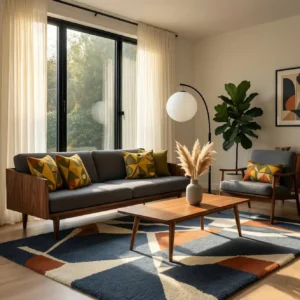
Open floor plans were revolutionary when mid century homes first appeared. Instead of separate rooms, living, dining, and kitchen areas flow together to encourage interaction and movement.
This layout makes homes feel larger and more welcoming. Minimal partitions and shared spaces support modern lifestyles while preserving the style’s emphasis on openness.
11. Highlight Iconic Furniture Pieces
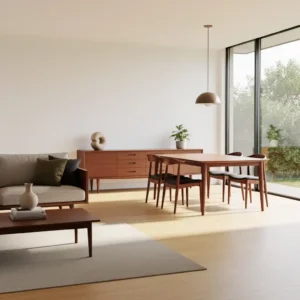
Mid century interiors often include iconic furniture designs that have become timeless classics. Pieces with organic curves, molded forms, and wooden legs represent the era’s innovative spirit.
Rather than filling a room with many items, focus on a few standout pieces. Quality craftsmanship and distinctive shapes add character while keeping the space uncluttered.
12. Keep Decor Minimal
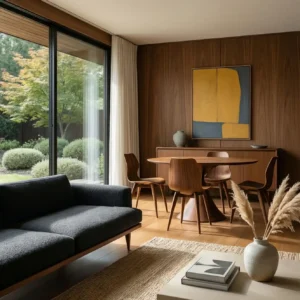
Another secret to achieving the mid century look is restraint in decoration. Instead of filling every surface, choose a few meaningful items such as artwork or sculptural objects.
Minimal décor allows architectural details and furniture design to stand out. The result is a clean, balanced environment that feels calm and sophisticated.
13. Incorporate Indoor Plants
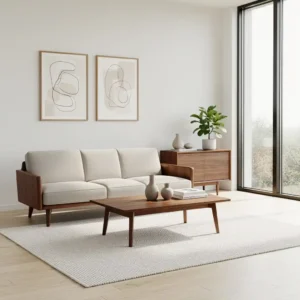
Plants are a natural fit for mid century interiors because they strengthen the connection to nature. Large leafy plants such as fiddle leaf figs or palms complement the organic shapes of the furniture.
Position plants near windows or corners where they can thrive. Their greenery adds life and color while maintaining the relaxed, natural vibe of the design style.
14. Use Warm Wood Tones
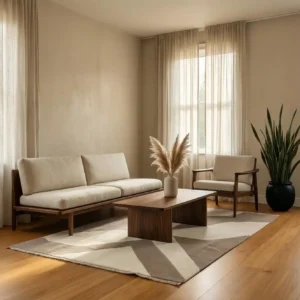
Warm wood tones like walnut and teak define many mid century interiors. These rich finishes add depth and elegance while keeping the design grounded in natural beauty.
Use wood for cabinetry, tables, and accent walls to create visual continuity. The warmth balances the clean lines of the architecture and prevents the space from feeling cold.
15. Balance Retro and Modern Elements
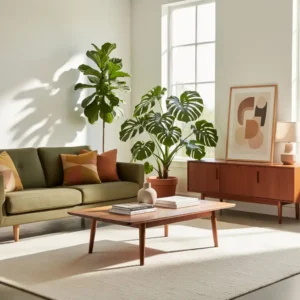
Many modern homes reinterpret mid century style rather than copying it exactly. Combining vintage-inspired furniture with contemporary décor creates a fresh and updated look.
The key is maintaining the original principles of simplicity and functionality. This balance allows homeowners to enjoy the nostalgic charm of mid century design while keeping the space relevant today.
16. Add a Statement Fireplace
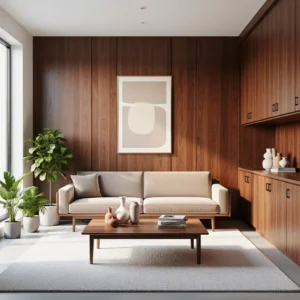
Fireplaces often act as focal points in mid century homes. Designs frequently feature stone or brick surfaces that add texture and visual interest to the room.
Arrange seating around the fireplace to create a cozy gathering space. This layout emphasizes comfort and conversation, reflecting the welcoming spirit of mid century living.
17. Keep Spaces Light and Airy
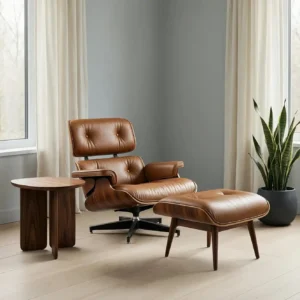
The final secret to mid century modern homes is maintaining a light, airy feeling. Large windows, open layouts, and minimal décor all contribute to this effect.
Choose furniture with exposed legs and light fabrics to keep the space visually open. Avoid heavy drapes or dark colors that block light. This approach ensures the home feels spacious, relaxed, and effortlessly stylish.