17 Living Room Furniture Ideas for a Beautiful Functional Space
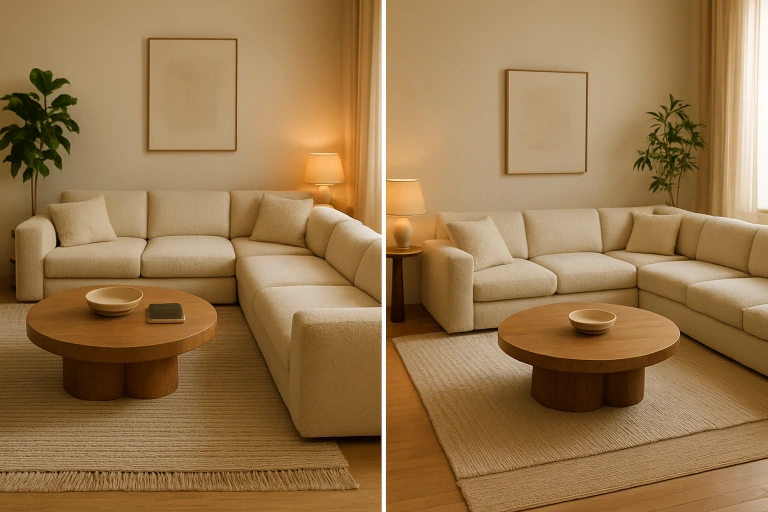
1. Modular Sectional Sofa for Maximum Flexibility
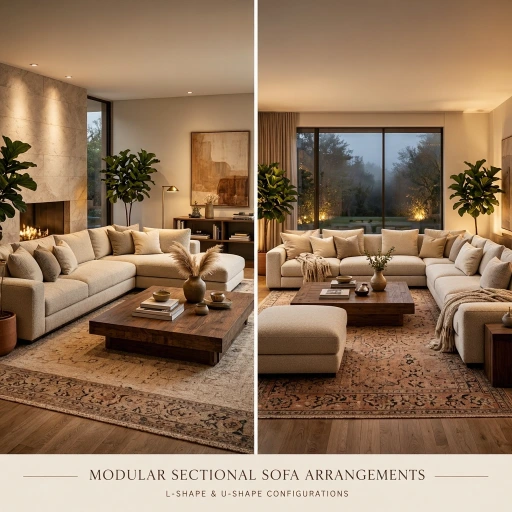
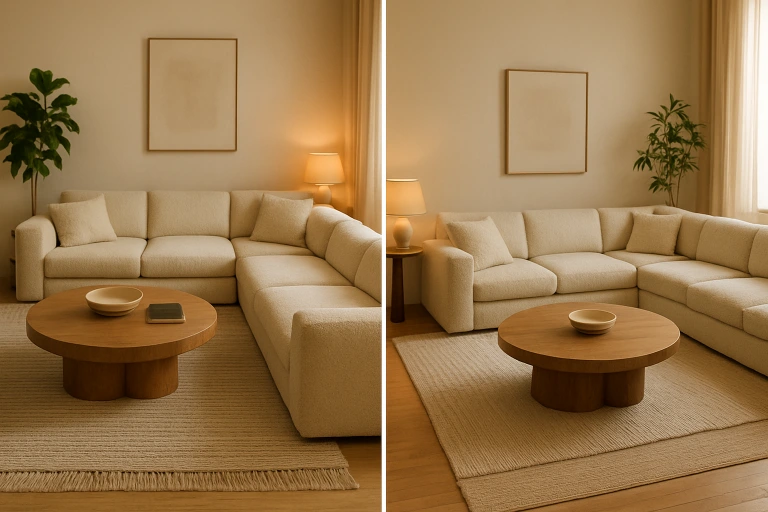
A modular sectional sofa whose individual components — corner units, armless seats, chaise sections, and ottoman modules — can be reconfigured independently to create multiple different seating arrangements within the same living room space is the living room furniture idea that most practically and most intelligently addresses the contemporary household’s genuinely diverse and genuinely variable seating needs, providing the generous, relaxed seating of a large L-shaped configuration for family film evenings and social gatherings while allowing reconfiguration to a more compact, formal arrangement for smaller groups or different room uses that the household’s daily life regularly and unpredictably requires. The modular sectional’s specific advantage over a conventional fixed sofa is its long-term adaptability — its components moving to new homes with the household rather than becoming architectural casualties of a relocation, and its configuration evolving as the household’s composition, lifestyle, and living room usage patterns change through the years of its ownership.
Choose a modular sectional in a fabric that prioritizes both tactile pleasure and genuine practical durability — boucle in a warm oatmeal or natural tone delivers the specific combination of luxurious surface texture, visual warmth, and sufficient practical resilience for daily family use that makes it the most consistently popular and most genuinely successful fabric choice for a sofa that will be the living room’s most used piece of furniture across its entire ownership lifetime. Source the sectional from a manufacturer who offers genuinely modular components — verifying that replacement units can be ordered individually if a single module is damaged, that the connection system between modules is robust enough to prevent the gradual separation that compromises sectional stability over time, and that the fabric is available for reupholstering individual modules independently if necessary for the maintenance of a consistent appearance across a sofa used intensively over many years. Arrange the sectional with the chaise section positioned to receive the room’s most desirable natural light for reading and relaxation — the orientation of the chaise determining where the sofa’s most comfortable and most coveted position sits within the room’s daily light and circulation patterns.
2. Statement Armchair as a Reading Corner Anchor
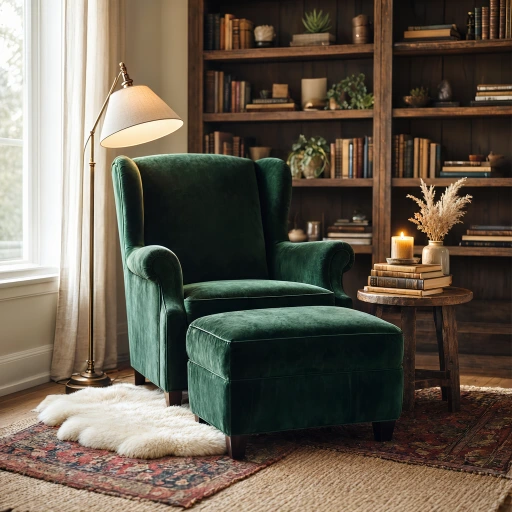
A statement armchair in deep emerald green velvet positioned with a floor lamp directly over the left shoulder, a small side table within easy reach, and a matching ottoman that extends the seating into a genuine lounging position — creating a dedicated reading corner that offers the specific combination of physical comfort, appropriate task lighting, and visual enclosure that genuinely productive and genuinely pleasurable reading requires — is the living room furniture idea that most directly and most generously invests in one of the domestic interior’s most valuable activities: the sustained, focused, deeply restorative practice of reading for pleasure. The reading corner armchair is not merely a piece of seating but a spatial commitment to a specific activity — a recognition that the best reading happens in a place specifically designed for it rather than in the generic seating that serves all activities adequately and none perfectly. The armchair’s statement color — the specific richness and depth of emerald green velvet — transforms the functional reading corner into the living room’s most visually dramatic and most personally expressive design moment.
Select the armchair with the specific physical ergonomics of extended reading in mind rather than the general aesthetic appeal that guides most upholstered furniture purchases — a seat depth that allows a medium-height adult to sit with their back fully supported by the back cushion while their feet rest comfortably on the floor or the ottoman, an armrest height that supports the forearm at a comfortable reading position without forcing the shoulder upward or the elbow downward, and a back height sufficient to support the head during the moments of eyes-closed reflection that genuine engagement with a book’s content consistently produces. Velvet as the armchair’s fabric delivers the specific combination of visual richness and tactile luxury that distinguishes a genuinely special reading chair from a merely functional one — its pile’s directional light-reflecting quality creating a surface that appears darker or lighter depending on the viewing angle and the light direction, giving the chair a visual complexity and dimensional quality that flat woven fabrics cannot produce. Position the floor lamp at a height and angle that delivers task-appropriate illumination on the reading surface without creating glare on the book’s page — a floor lamp whose head adjusts to a position between 1.2 and 1.5 meters above the seated reader’s eye level and approximately thirty degrees to the side providing the most effective and most comfortable reading light available from a floor-mounted source.
3. Coffee Table as a Visual Centerpiece
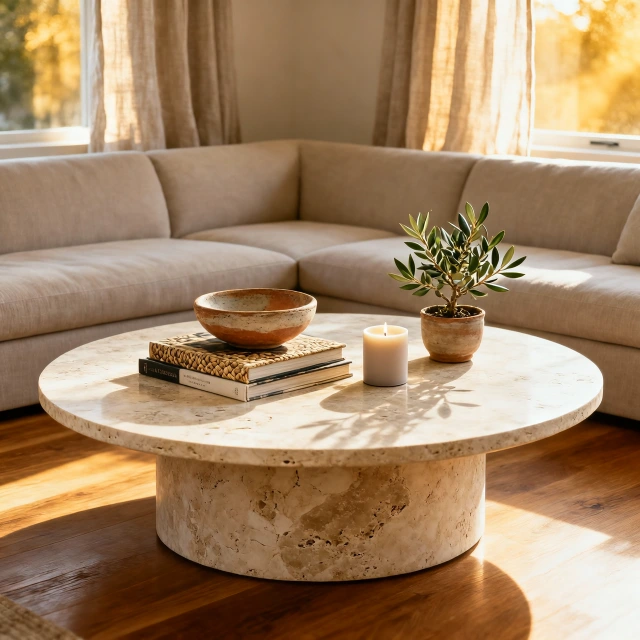
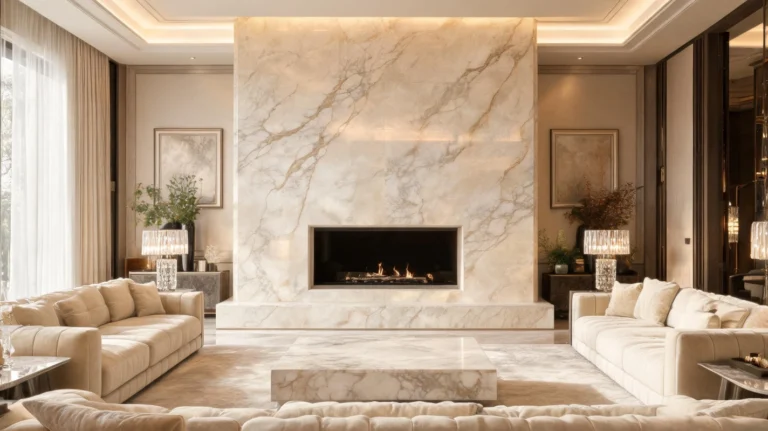
A large, round travertine coffee table of sufficient scale to serve genuinely as the living room’s visual centerpiece — its stone surface providing the horizontal plane that grounds the seating arrangement compositionally while its natural travertine’s warm, fossil-rich surface pattern delivers the specific material beauty and geological depth that makes natural stone the most permanently interesting and most visually rewarding coffee table material available at any price point — is the living room furniture idea that most powerfully demonstrates the specific design principle that a single, well-chosen, genuinely beautiful piece of furniture can provide the compositional anchor that organizes an entire room’s furniture arrangement, color story, and material character around the gravity of its own presence. The coffee table occupies the living room’s visual center — equidistant from every seating position, visible from every point in the room, and the surface most consistently observed during the daily activities of conversation, reading, and relaxation that the living room accommodates — making it the single piece of furniture whose aesthetic quality and material character have the greatest cumulative impact on the room’s overall visual experience.
Style the travertine surface with the deliberate restraint of an edited vignette rather than the accumulated display of objects that daily use encourages — a stack of three art books with beautiful spines as the display’s primary vertical element, a low ceramic bowl in a tone drawn from the travertine’s natural color range as a complementary horizontal accent, a single small trailing plant whose organic form contrasts with the geometric precision of the books and bowl, and a pillar candle in a simple holder for the warm, flickering evening light that makes the coffee table vignette most atmospherically beautiful. Maintain the styling vignette’s carefully composed appearance through the inevitable daily disruption of coffee cups, remote controls, and reading material by committing to a regular reset practice — returning the vignette’s elements to their composed positions at the end of each day for the sustained visual impact that only consistent attention to the coffee table’s surface composition can maintain. Choose the round format specifically over the rectangular alternatives that most coffee table offerings default to — the round form’s lack of corners creating safer circulation around the table’s perimeter, softer visual integration with the surrounding upholstered seating, and a specific quality of spatial democracy in which every seating position relates equally to the central table without the near-end and far-end hierarchy that a rectangular table creates.
4. Built-In Bookshelves Flanking a Fireplace
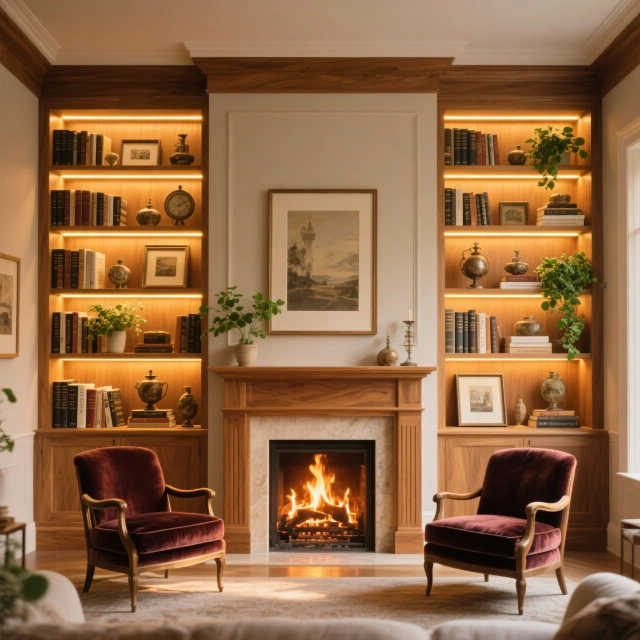
Floor-to-ceiling built-in bookshelves flanking a central fireplace — their symmetric placement on either side of the chimney breast creating the most classically balanced and most architecturally resolved living room composition available in the residential interior design vocabulary — is the living room furniture idea that most completely and most permanently transforms a generic living room wall into a genuinely architectural feature of the home, creating a focal wall of extraordinary visual richness, practical storage depth, and the specific intellectual warmth of a library whose book collection and curated objects tell the story of the household’s knowledge, interests, and aesthetic sensibilities in a permanent, publicly displayed autobiography of the mind that accumulates meaning and personal significance with every year of continued habitation. The flanking bookshelf composition is the living room’s most ambitious and most rewarding single design investment — creating more lasting visual impact, more practical daily value, and more genuine personal meaning than any combination of individual furniture purchases could achieve across an equivalent financial and temporal investment.
Construct the built-in shelves in a finish that connects them architecturally to the fireplace surround rather than treating them as separate furniture pieces added beside a pre-existing fireplace — painting both the shelves and the fireplace surround in the same color for a unified, architecturally coherent focal wall that reads as a single designed element, or using the same timber species and finish for both the shelf construction and the fireplace mantel for the material continuity that creates the most cohesive and most deliberately composed focal wall. Design the shelf layout with alternating combinations of open shelving for books and objects, closed cabinet sections with doors for concealed storage of the practical items that every living room accumulates but that the curated shelf display does not benefit from displaying, and glass-fronted sections for the most treasured objects whose visibility is desired but whose protection from dust is equally valued. Install warm LED lighting within the shelves — positioned above the shelf’s front edge to wash warm light downward across the books and objects on the shelf below — for the specific atmospheric quality of illuminated shelving that makes the bookshelf wall the living room’s most beautiful and most inviting feature in the evening hours when natural light has faded and the warm amber of the shelf lighting creates the specific domestic warmth of a well-loved library.
5. Layered Rug Strategy for Zone Definition
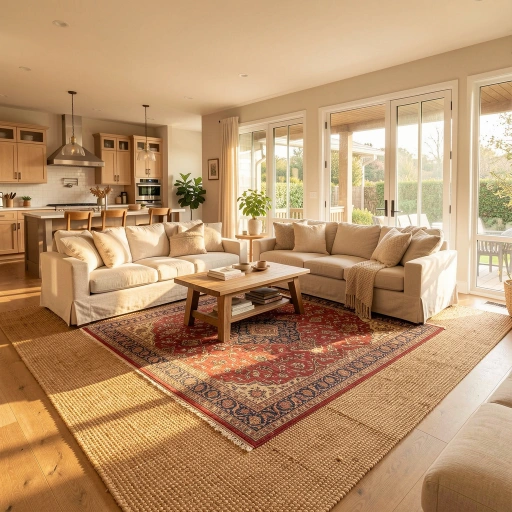
A layered rug strategy — a large natural jute or sisal rug as the base layer defining the full extent of the living room’s seating zone, with a smaller vintage Persian or geometric patterned rug layered on top beneath the coffee table — is the living room furniture and soft furnishing idea that most effectively and most practically uses textile as a spatial organization tool, creating clear visual zone definition within an open-plan floor without architectural intervention, introducing pattern, color, and textile variety through the combination of two different rugs rather than the limitation of a single rug’s design vocabulary, and providing the specific textural layering that makes a well-composed living room floor feel as deliberately assembled and as visually rich as any other dimension of the room’s complete design. The layered rug approach is the contemporary interior designer’s most accessible and most reversible spatial organization technique — requiring no permanent installation, no structural work, and no commitment beyond the pleasure of finding two rugs whose combination creates something more interesting and more visually complete than either achieves independently.
Select the base layer rug at a size that accommodates all four legs of the primary seating pieces — the front legs at minimum, with the back legs on the rug preferred for the more grounded, more spatially anchored appearance of a seating arrangement fully contained within its rug — in a material and weave appropriate for the specific traffic intensity and practical demands of the living room’s daily use. A natural fiber base rug in jute, sisal, or seagrass provides the most practical, most visually neutral, and most materially honest foundation for the layered approach — its regular, woven surface creating a consistent base texture that allows the overlay rug’s pattern and color to read clearly without competition from the base layer’s own pattern character. Choose the overlay rug at approximately sixty to seventy percent of the base rug’s size — a proportion that creates a visible border of the base rug around the overlay’s perimeter, maintaining the layering’s visual distinction between the two rugs rather than sizing the overlay so close to the base that their relationship appears accidental rather than deliberate. The overlay rug’s pattern scale should be larger than the base rug’s weave texture — the larger pattern providing sufficient visual contrast to distinguish the overlay clearly from the neutral base despite their potential tonal proximity.
6. Console Table Behind the Sofa
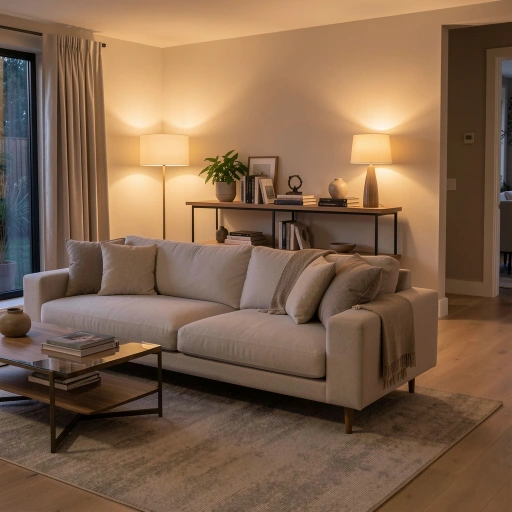
A slender console table positioned directly against the back of a floating sofa — its surface at or slightly above the sofa’s back height, styled with a table lamp, a curated arrangement of books and objects, and a trailing plant — is the living room furniture idea that most cleverly and most practically solves two common open-plan living room challenges simultaneously: the need for a visual and spatial boundary at the seating area’s rear when the sofa floats in the middle of the room rather than against a wall, and the need for additional surface space and lamp positioning within the seating zone that a side table alone cannot provide. The console table behind the sofa creates the specific spatial quality of a room within a room — defining the seating area’s back boundary with a piece of furniture that communicates the zone’s rear edge while providing a display and lamp surface whose warm evening illumination creates the most intimate and most atmospherically welcoming version of the seating zone’s ambient lighting.
Choose the console table at a height precisely calibrated to the specific sofa it will stand behind — a console height that is level with or up to fifty millimeters higher than the sofa’s back providing the most aesthetically harmonious relationship between the two pieces, while a console significantly higher than the sofa back creates an awkward visual disproportion that draws attention to the mismatch rather than the composition’s overall quality. The console’s depth is the single most critical dimensional specification — a depth of approximately 300 millimeters providing sufficient surface for the lamp, books, and objects while remaining slim enough to fit comfortably in the space between the sofa’s back and the circulation zone behind it without encroaching on the room’s movement patterns. Style the console surface with the lampshade positioned at a height that provides both ambient illumination of the broader seating zone and a specific warm glow on the styled objects on the console surface itself — a table lamp whose shade base sits at console height and whose shade top reaches approximately 1.5 meters above the floor providing the most practically appropriate and most visually graceful lamp proportion for this specific furniture position.
7. Nesting Side Tables for Flexible Surface Space
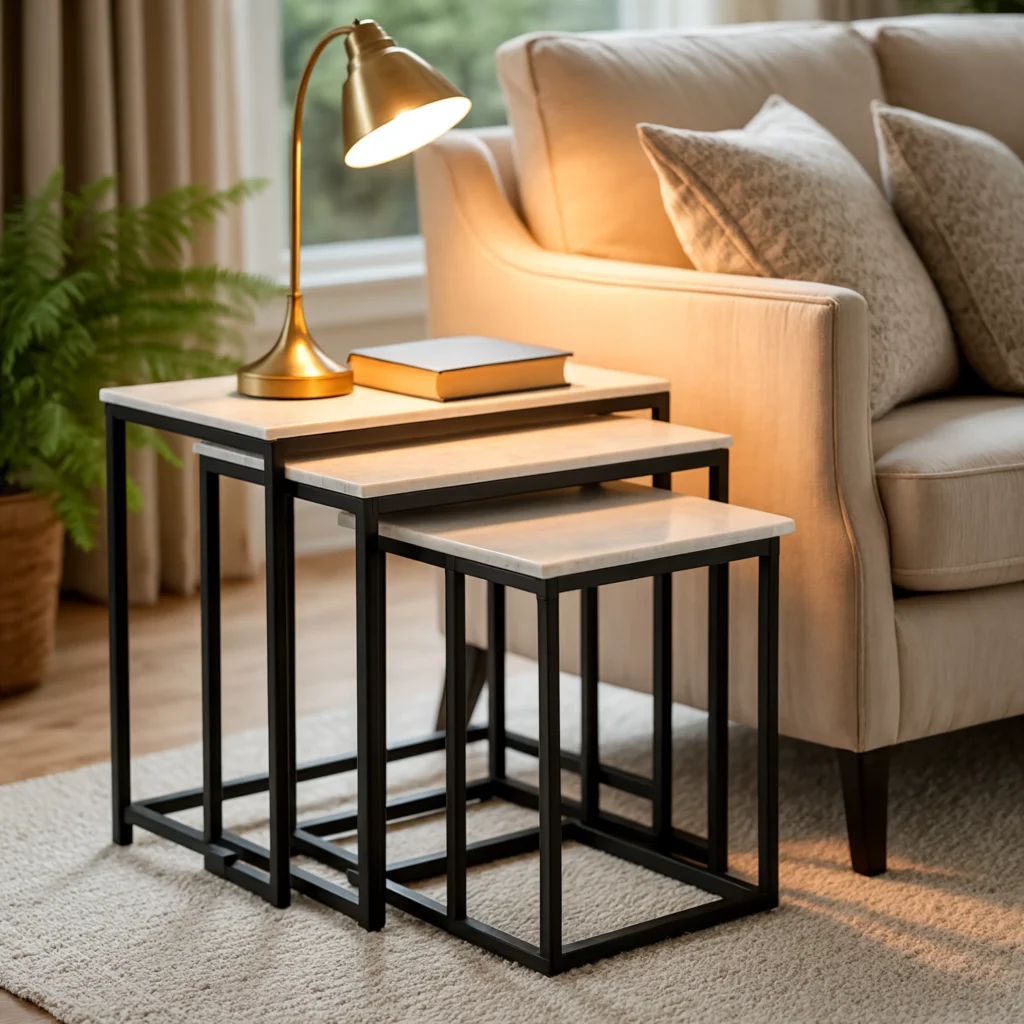
A set of three nesting side tables in graduated sizes — their individual tops in marble, timber, or stone and their frames in blackened steel or brushed brass — positioned beside an armchair with the largest table at the armrest height for immediate accessibility and the two smaller tables nested beneath it and deployable to any position within the seating zone when the functional need for additional surface space arises, is the living room furniture idea that most elegantly and most practically provides the living room’s most persistently needed but most consistently undersupplied functional requirement — the ability to place a drink, a book, a device, and a candle simultaneously within arm’s reach of the sofa without the spatial commitment of the four individual side tables that providing all four surface positions separately would require. The nesting side table set is the living room’s most space-efficient surface solution — its graduated sizing allowing the three tables to occupy the footprint of a single table when nested, and its deployable flexibility allowing any configuration of the three tables independently and at any combination of positions within the room.
Select a nesting table set whose individual table proportions create genuine visual appeal as standalone objects as well as as a nested group — the top size, the frame weight, and the relationship between the table’s height and its top diameter all contributing to the visual quality of each individual piece in a way that makes the deployed configuration of three tables at different positions and heights as compositionally beautiful as the nested arrangement at the armchair’s side. Specify the table tops in materials that create enough visual variety between the three tables to make the graduated set appear deliberately curated rather than simply three identical tables at different sizes — a large table in white marble for the primary surface, a medium table in warm travertine or light timber for the secondary surface, and a small table in blackened stone or dark timber for the tertiary surface creating a material graduation that parallels the size graduation and gives the set a designed, intentional character whose visual richness exceeds what any single table could achieve. Ensure the nesting clearance between tables is sufficient for genuinely easy deployment — a minimum of fifteen millimeters of space on all sides between the nested tables allowing the inner tables to be extracted smoothly without the forced, awkward manipulation that too-tight nesting requires.
8. TV Media Unit with Integrated Storage
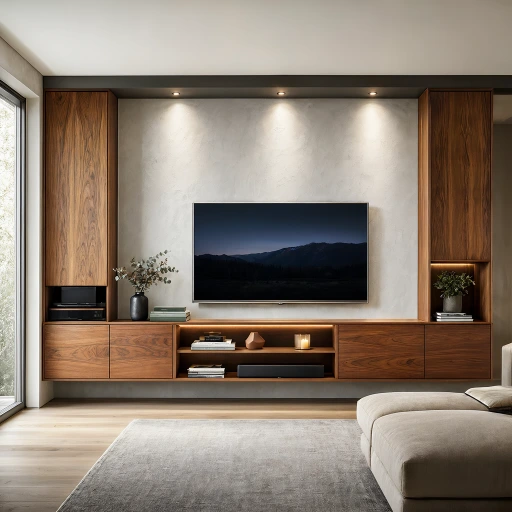
A floating timber TV media unit — suspended at a precisely calculated height above the floor, its continuous horizontal form stretching across the full width of the television wall, its combination of closed storage sections with push-to-open doors and open display shelves creating the balanced combination of concealed practical storage and curated visual display that the contemporary living room’s functional and aesthetic requirements together demand — is the living room furniture idea that most directly and most successfully addresses the television wall’s persistent challenge of accommodating the visual and acoustic equipment of modern entertainment technology within a domestic space whose aesthetic ambitions consistently require the equipment’s presence to be minimized, organized, and wherever possible concealed rather than the prominently displayed cable management and equipment accumulation that the undesigned television wall inevitably produces. The floating media unit’s suspended format — its base hovering above the floor on concealed steel brackets rather than resting on feet or a plinth — creates the specific quality of visual lightness and spatial generosity at floor level that grounds the television wall’s furniture composition in the specific contemporary aesthetic of deliberate levitation.
Specify the unit’s floating height with careful attention to the ergonomic relationship between the unit’s top surface, the television’s center point, and the eye level of the primary viewing position on the sofa — the television’s screen center at or very slightly below the seated viewer’s eye level creating the most comfortable and most visually relaxed viewing angle, with the unit’s top surface at approximately 400 to 500 millimeters above the floor providing the visual balance between the unit’s horizontal form and the television above it that the composition most satisfyingly achieves. Conceal all cable management within the unit’s construction — routing power and signal cables through a designated channel in the unit’s back panel that connects to in-wall conduit running from the unit’s position to the power outlet and signal source locations — for the specific visual cleanliness of a television installation with no visible cables connecting the screen to the equipment below that is the most practically important single detail of the contemporary media wall’s aesthetic success. Install indirect LED lighting above the unit — a warm-white LED strip recessed into a channel in the wall surface immediately above the unit’s top edge, casting warm light down across the unit’s front face and the objects displayed on its open shelves — for the atmospheric wall washing effect that makes the media wall most beautiful in the evening and that simultaneously provides the ambient backlighting behind the television screen that reduces the visual fatigue of watching a bright screen against a dark wall.
9. Accent Chair in a Bold Contrasting Color
A bold terracotta or burnt orange accent chair positioned at a forty-five-degree angle to the sofa — creating the conversational diagonal between the primary sofa seating and the accent chair that the best living room furniture arrangements consistently use to create more intimate, more varied, and more visually dynamic seating groupings than the parallel or perpendicular arrangements that conventional living room planning defaults to — is the living room furniture idea that most efficiently and most colorfully transforms a neutral, well-composed but potentially monotonous living room palette into a space with genuine visual energy, personality, and the specific quality of confident color decision-making that distinguishes a thoughtfully designed living room from a merely competently furnished one. The single accent chair in a bold contrasting color is the most cost-effective and most reversible color investment available in living room design — a single upholstered piece introducing sufficient color energy to transform the room’s visual character without the commitment or the risk of repainting walls or replacing the primary sofa.
Choose the specific color of the accent chair with genuine attention to its relationship with the room’s existing palette rather than selecting in isolation from the surrounding context — terracotta and burnt orange working most warmly and most harmoniously with the earthy neutrals, natural timbers, and warm whites that dominate the contemporary living room palette, while deeper jewel tones like sapphire, emerald, or plum create a more dramatic contrast with the same neutral backgrounds and communicate a different quality of color confidence and aesthetic ambition. The fabric choice for the accent chair is particularly important because the chair’s relatively small upholstered surface area must deliver sufficient visual impact in color and texture to read clearly as the room’s accent element from the distances at which the living room is typically observed — a velvet or boucle in the chosen color providing more visual richness, more textural depth, and more light-responsive surface character than a flat woven fabric in the same color would achieve on the same chair form. Position the accent chair with a dedicated small side table positioned at the outside of its forty-five-degree angle — creating the complete visual and functional unit of seating and surface that makes the accent chair position a genuinely usable and genuinely comfortable alternative to the main sofa rather than simply a decorative element whose practical use is compromised by the absence of the surface space for a drink and a book that all seating positions in daily use consistently require.
10. Ottoman as a Versatile Multi-Use Piece
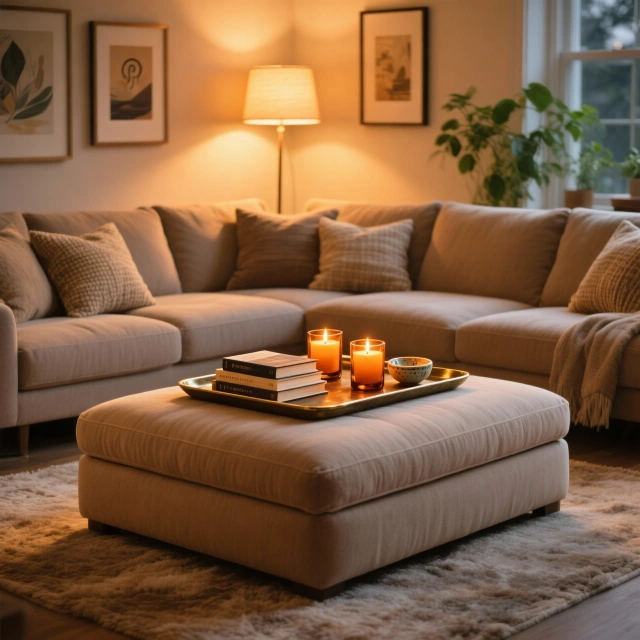
A large rectangular upholstered ottoman functioning simultaneously as a coffee table with a styled tray on its surface, as additional seating for gatherings that exceed the sofa’s capacity, and as a generous footrest for the sofa’s primary occupants — positioned at the center of a U-shaped or L-shaped sofa arrangement and dressed with a flat, stable tray in timber or stone that provides the rigid surface for drinks and objects that the ottoman’s upholstered top cannot supply independently — is the living room furniture idea that most practically and most cleverly provides three distinct functional values from a single piece of furniture whose multi-functional versatility makes it the living room’s most cost-efficient and most space-efficient individual furniture investment available. The ottoman’s specific advantage over a conventional glass or stone coffee table is its complete physical safety — no hard edges, no corners, and no rigid surface at shin height for the household members whose physical presence in the living room is most at risk from the conventional coffee table’s inherent hazards.
Choose an ottoman at the correct dimensional relationship to the surrounding sofa — a length that spans the full width of a sofa’s seating section for the most visually balanced proportion, a width sufficient to accommodate the tray surface while leaving enough uncovered upholstered surface for the foot-resting function, and a height level with or very slightly below the sofa’s seat cushion for the most comfortable and most ergonomically harmonious relationship between the sofa and the surface that receives the sofa user’s feet. Style the tray on the ottoman’s surface with the same curatorial discipline and the same compositional restraint applied to any other living room display surface — a candle in a substantial holder as the tray’s primary vertical element, an art book or two as the horizontal accent, and a small ceramic bowl or sculptural object as the third compositional element, with the tray’s dimensions and the objects’ collective footprint leaving a clear, visible section of the tray’s surface that communicates the tray’s availability as a functional surface rather than a decorative display whose use is discouraged by the density of its existing occupants. Upholster the ottoman in a performance fabric whose stain resistance and durability are genuinely appropriate for the intensive, multi-functional use that the ottoman’s central position in the living room’s furniture arrangement inevitably accumulates across the years of its daily service as the household’s primary coffee table, extra seat, and footrest simultaneously.
11. Floor Lamps for Layered Ambient Lighting
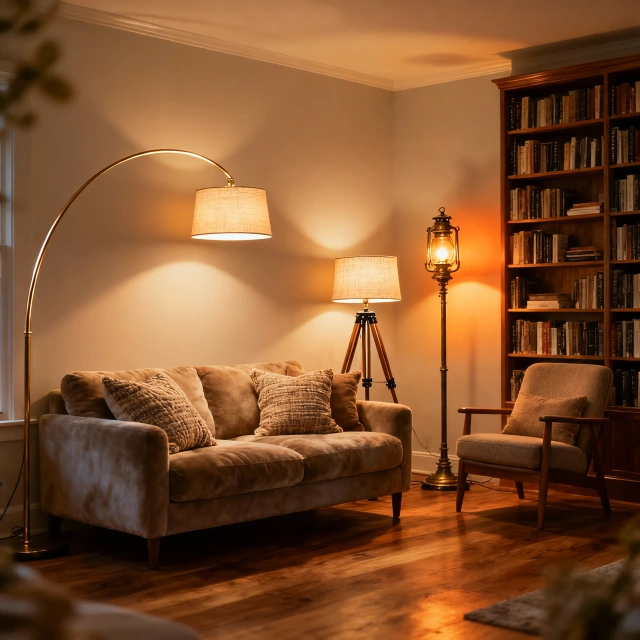
Three floor lamps — an arc lamp curving dramatically over one end of the sofa to cast warm light from above onto the seating below, a tripod lamp beside the reading chair delivering precise task-appropriate light for reading, and a tall, slim torchière or pharmacy lamp in the room’s corner creating the soft ambient uplighting that fills the upper zone of the room with indirect, reflected ceiling light — working together to create a layered ambient lighting scheme that provides the living room’s complete illumination without a single overhead ceiling fixture, producing the specific quality of warm, multi-directional, intimately scaled light that makes a living room feel genuinely beautiful and genuinely relaxing rather than the flat, shadowless illumination of a single central ceiling light that most living rooms default to as their primary and only light source. The layered floor lamp scheme is the living room’s most transformative and most atmospherically impactful lighting intervention — costing less than a recessed ceiling lighting installation while delivering a genuinely superior quality of ambient light whose warmth, direction variety, and intimate scale create the specific domestic atmosphere that the best living rooms achieve and that the worst lighting schemes systematically prevent.
Position the arc floor lamp with its head directly above the sofa’s primary occupant position — the lamp’s arc geometry bringing the light source to a position approximately 1.8 to 2 meters above the seated person’s head, providing the most natural and most comfortable overhead illumination for a sofa seating position without the physical and aesthetic compromise of a ceiling fixture directly above the sofa. Specify all three floor lamps in the same warm color temperature — 2700 Kelvin for the amber warmth that most sympathetically illuminates the living room’s upholstery, timber, and textile materials — regardless of their individual shade style or base format, maintaining the chromatic consistency of the lighting scheme across all three light sources. Ensure all three lamps are connected to switched or dimmer-controlled outlets — the ability to activate any combination of the three lamps independently and to adjust each lamp’s output through a dimmer allowing the full range of lighting scenarios from the maximum ambient illumination of all three lamps at full output for active social gatherings to the single reading lamp at its lowest comfortable reading level for the quiet, intimate solo occupation of the living room that many evenings most genuinely require and most deeply reward.
12. Display Cabinet for Treasured Collections
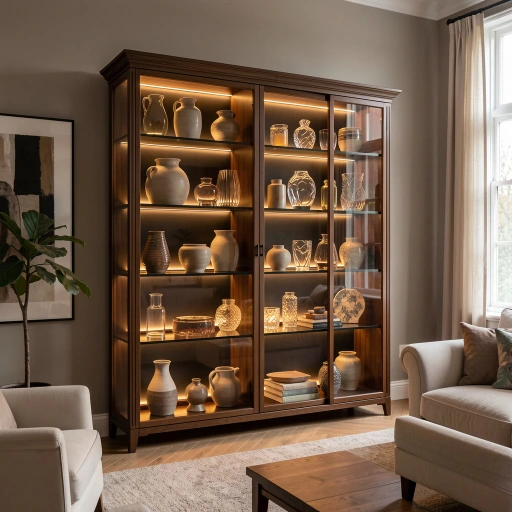
A glass-fronted display cabinet — its interior shelves illuminated by warm LED lighting that spotlights the curated collection of ceramic vessels, art glass, or treasured objects arranged within against a dark-painted or velvet-lined back panel, the glass doors protecting the contents from dust while maintaining their complete visibility from the living room — is the living room furniture idea that most honestly and most beautifully acknowledges the fundamental human desire to display the objects that carry the greatest personal meaning, aesthetic pleasure, and cultural significance within the household’s material possession inventory, rather than relegating these treasured pieces to the concealment of closed storage where their visual and emotional contribution to the daily life of the household is entirely forfeited. The display cabinet creates the living room’s most personally specific and most culturally rich visual feature — its contents telling a story about the household’s history, travels, aesthetic education, and personal relationships that no purchased decoration or professionally selected artwork can replicate.
Choose the cabinet’s internal back panel color and material with specific attention to its relationship to the objects it will display — a deep navy, forest green, or charcoal back panel creating the most dramatically contrasting background for ceramic and glass objects whose colors and forms are most brilliantly revealed against a dark, receding background, while a lighter, more neutral back panel creates a softer, more gallery-like context for collections of more delicate, more tonally complex objects whose subtlety would be overwhelmed rather than enhanced by a very dark background. Curate the collection’s arrangement within the cabinet with the deliberate compositional attention of a display professional — grouping objects by material, color family, or acquisition story rather than by size alone, creating conversational pairings between objects whose formal or historical relationship rewards the attentive viewer’s extended examination, and maintaining sufficient empty space on each shelf to allow each object to be seen in its individual completeness rather than crowded into a visual density that prevents any single piece from being appreciated. Install the internal LED lighting on a separate switch from the room’s ambient lighting — allowing the display cabinet to be illuminated independently as an evening focal point whose warm internal light and dramatically lit contents create the living room’s most atmospheric and most visually distinctive feature during the social hours when the room’s occupation most directly benefits from the visual richness that a beautifully lit collection consistently provides.
13. Daybed or Chaise Longue for Lounging
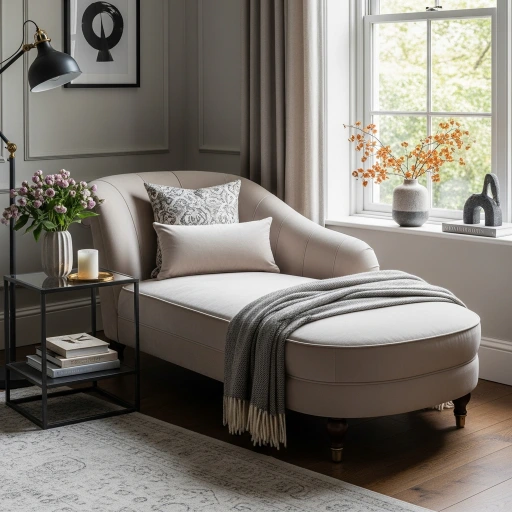
A velvet chaise longue positioned near the living room’s most generous natural light source — its curved, elongated form creating a dedicated lounging position that accommodates the specific horizontal or semi-reclined posture of genuine relaxation, reading, and the particular quality of midday restoration that the chaise longue’s design has facilitated across four centuries of domestic furnishing history — is the living room furniture idea that most luxuriously, most historically resonantly, and most physically generously provides the body with the specific furniture support that neither the upright sofa nor the flat bed provides: the semi-reclined, partially supported posture that is neither sitting nor lying but occupies the most comfortable and most restorative position between these two extremes. The chaise longue is the living room’s most deliberately hedonistic furniture piece — its entire design rationale being the provision of the best possible support for the human body in its most comfortable voluntary position, without the practical or functional justifications that every other piece of living room furniture deploys alongside its comfort provision as evidence of its worthiness as a furniture investment.
Position the chaise longue with its raised head end oriented toward the room’s most interesting view — whether the garden window, the fireplace, or the bookshelf wall — for the specific experiential quality of a reclining position that faces something visually rewarding rather than the wall or the room’s service elements whose observation from a lounging position adds nothing to the quality of the rest that the chaise is designed to facilitate. Choose velvet as the upholstery fabric specifically for the chaise longue rather than the performance fabrics most appropriate for heavily used sofa seating — the chaise’s relative infrequency of use compared to the primary sofa allowing a more delicate, more luxurious fabric whose visual richness and tactile pleasure are more important to the piece’s experiential quality than the durability that intensive daily use demands from the household’s primary seating. Place the chaise on a small, dedicated rug of its own — separate from the main seating area rug — for the specific quality of spatial designation that the rug-within-a-rug creates, establishing the chaise position as a distinct zone within the larger living room whose individual identity is reinforced by its own textile ground rather than simply occupying the periphery of the main seating arrangement’s rug.
14. Mirrors to Amplify Space and Light
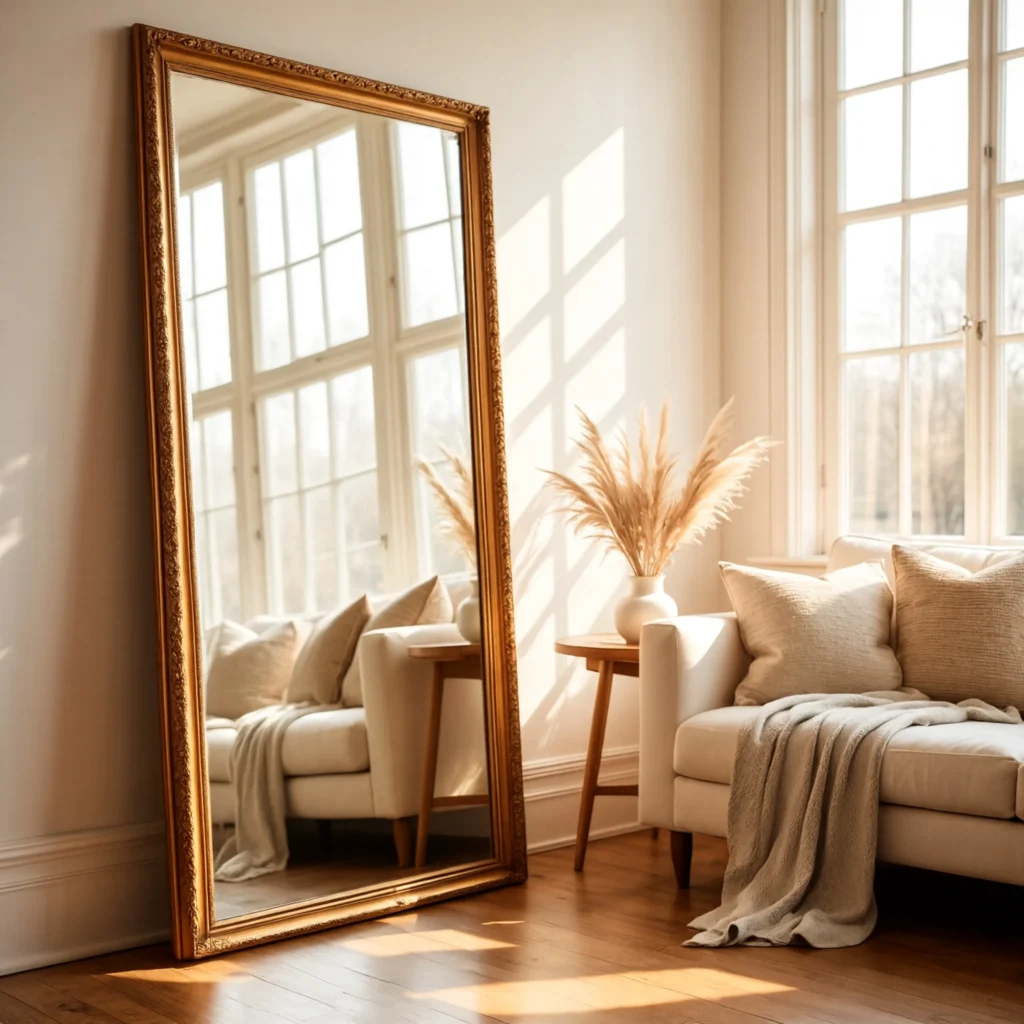
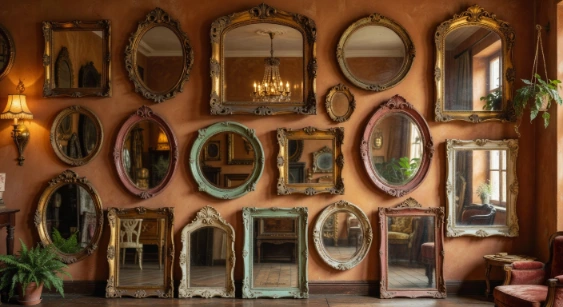
A large floor-length mirror in a sculptural gilded or carved wooden frame leaning casually against the living room’s wall opposite the primary window — its reflective surface doubling the visual depth of the room by presenting the window, the garden beyond it, and the natural light entering through it from the opposite side of the space simultaneously — is the living room furniture idea that most dramatically and most cost-effectively transforms the spatial experience of a room that is either genuinely small or simply insufficiently lit by its existing window configuration, creating the specific illusion of doubled spatial depth and genuinely amplified natural light that no other non-structural intervention can produce with comparable impact and comparable reversibility. The large leaning mirror is the living room’s most powerful spatial tool — its reflective surface creating a second version of the room within the original, presenting the window and the natural light from a different angle, and generating the visual complexity of a space that appears to extend beyond its actual boundaries in a way that makes even a modestly sized living room feel genuinely generous.
Choose the mirror’s frame style with the same aesthetic intentionality applied to any significant piece of furniture — an ornate, gilded frame for the traditional or maximalist living room whose decorative richness is enhanced by the frame’s historical reference and material luxury, a minimal black steel frame for the contemporary minimalist room whose clean lines are maintained through the restraint of the frame’s formal vocabulary, or a carved and painted wooden frame in an organic or sculptural form for the eclectic or bohemian interior whose aesthetic thrives on the distinctive character of individually beautiful objects. Lean the mirror at a slight forward angle from vertical — approximately five to ten degrees from the true vertical — for the most flattering and most spatially effective reflective angle that presents the room’s opposite elements in a slightly downward-viewing perspective that makes the reflected image most closely approximate the natural view of the room from the standing position rather than the purely horizontal reflection of a perfectly vertical mirror. Position a floor lamp or a pair of candles directly beside the mirror’s frame — their light source reflected in the mirror alongside the room’s natural light, creating the doubled luminous effect that makes the corner containing the mirror most warm and most atmospherically beautiful during the evening hours when natural light has been replaced by the room’s layered artificial illumination.
15. Poufs and Floor Cushions for Casual Seating
A cluster of Moroccan leather poufs and oversized floor cushions arranged around a low coffee table — creating a casual, low-level seating zone that exists alongside rather than in replacement of the primary sofa arrangement, offering a completely different quality of gathered, intimate seating that brings the room’s occupants to floor level and creates the specific social dynamic of a low, close gathering that high-backed sofa seating cannot provide — is the living room furniture idea that most generously and most flexibly expands the living room’s seating capacity and its social versatility, transforming the single-mode sofa-centered seating arrangement into a multi-mode space that can accommodate a small, intimate gathering of close friends at low-level floor seating as naturally and as warmly as it accommodates a larger group at the primary sofa’s conventional seated height. The pouf cluster is the living room’s most culturally resonant and most globally inspired furniture addition — its Moroccan leather construction connecting it to one of the world’s richest domestic furnishing traditions and its low, gathered seating format referencing the floor-level social culture whose intimacy and physical closeness many living room users find more genuinely convivial than the formal separation of sofa seating.
Source authentic Moroccan leather poufs from specialist importers who work directly with the artisan workshops of Fes, Marrakech, and Essaouira — the genuine hand-stitched construction, the natural vegetable-tanned leather, and the traditional geometric embroidery pattern of authentic Moroccan poufs being visually and tactilely fundamentally different from the machine-made imitations that the mainstream home goods market offers in the same form. Arrange the poufs and floor cushions in a genuinely casual, slightly irregular cluster around the low coffee table — resisting the temptation to arrange them in the symmetrical, equidistant configuration that formal furniture arrangement demands but that casual, floor-level seating most authentically and most invitingly avoids. Choose floor cushions in a fabric that is both comfortable for extended sitting and durable enough for the intensive physical contact that floor-level seating involves more intensively than elevated furniture use — a heavy linen, a performance velvet, or a kilim-patterned woven textile all providing the appropriate combination of aesthetic beauty and practical resilience that the living room floor cushion’s specific use demands across the years of its faithful, low-level social service.
16. Room Divider as a Functional Furniture Piece
A large carved wooden or woven rattan room divider used as a genuine piece of living room furniture — positioned to create a semi-private zone within the larger open-plan space, its decorative panels filtering light between the two sides of the division while its physical presence establishes clear spatial and functional boundaries between the living area and a home office alcove, reading nook, or meditation corner whose separation from the main living space enhances both zones’ functional quality by reducing visual and acoustic distraction between the different activities occurring on each side — is the living room furniture idea that most creatively and most practically addresses the contemporary challenge of open-plan living’s specific spatial demand for functional zone differentiation within a single undivided floor plate. The room divider used as a furniture piece rather than a structural partition brings the same spatial organization benefits as a fixed wall while maintaining the flexibility, reversibility, and visual interest of a movable furniture object whose presence enriches the room’s material palette.
Position the room divider at the specific point in the open-plan floor plan where the functional transition between zones is most clearly motivated — the boundary between the primary social seating area and the secondary working or reading zone being the most common and most practically beneficial placement position for a living room room divider — rather than at an arbitrary position determined by the available floor space. Choose a room divider whose panel material and pattern create the specific quality of filtered visual connection between the divided zones that the particular combination of activities on each side most appropriately requires — a densely woven rattan panel for the maximum visual privacy between a working zone and a social zone, a carved wooden panel with generous openings for the partial visual connection between a reading nook and the living room that maintains the social awareness without the full visual exposure of an open arrangement. Style the divider’s living room-facing side as a genuine decorative element — leaning an artwork against it, hanging a plant from one of its upper rails, or placing a floor lamp immediately beside it whose light illuminates the divider’s surface — for the specific quality of a furniture piece that contributes to the living room’s decorative program rather than existing purely as a functional spatial organizer whose aesthetic contribution to the room is secondary to or separate from its practical spatial function.
17. Sofa Table with Integrated Charging and Organization
A sofa table with discreetly integrated USB charging ports built into its side panel, concealed cable management channels routing power cords invisibly through the table’s construction to a single power connection at the floor, and a surface area generous enough to accommodate a table lamp, a curated object arrangement, and the practical daily-use items of remote controls and personal devices without visual overcrowding — is the living room furniture idea that most intelligently and most honestly addresses the contemporary household’s genuinely unavoidable need for device charging infrastructure within the living room’s primary seating zone, providing the practical technology service that every daily user of the living room requires while maintaining the complete aesthetic invisibility of the technology provision that the living room’s status as the home’s primary decorative room demands. The integrated charging table represents the most considered approach to the specific tension between the contemporary living room’s practical technology needs and its aesthetic aspirations — acknowledging that devices must be charged near the sofa rather than pretending the need doesn’t exist or managing it with the unsightly compromise of extension cables draped across the living room floor.
Commission the table from a furniture maker who can integrate the charging ports and cable management into the table’s construction during fabrication rather than retrofitting the technology into an existing table design — the fabrication-integrated approach allowing the port positions, cable channels, and power connection point to be located precisely where the table’s design and the room’s use patterns most logically require them, rather than where the retrofit constraints of an existing construction allow. Specify the USB ports in a finish that matches the table’s hardware — brushed brass for a table with brass hardware, brushed steel for a more industrial or contemporary piece — so that the charging ports appear as deliberate design elements rather than afterthought additions whose generic metallic finish clashes with the table’s primary material character. Design the cable management channel to route all cords through a single, designated exit point at the table’s rear base — terminating in a single power cable that runs invisibly along the skirting board to the nearest outlet rather than the multiple individual cable runs from different devices that unmanaged device charging inevitably produces and that represent the living room’s most persistent and most visually disruptive practical management challenge in contemporary domestic life.