18 Earthy Home Ideas for a Calm and Grounded Space
1. Terracotta Walls and Clay Toned Paint Palette
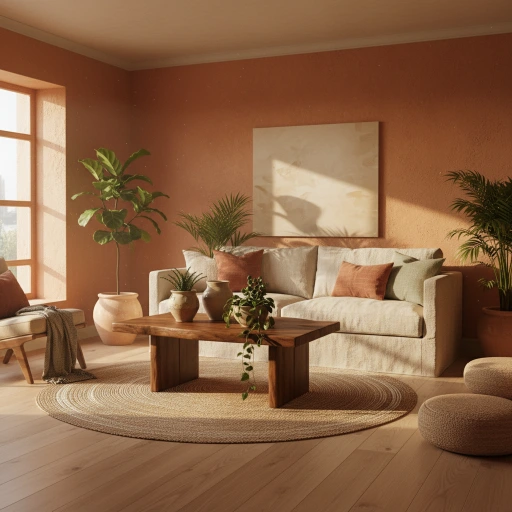
Terracotta walls and clay toned paint palettes represent the most immediately transformative and most deeply grounding earthy home design choice available, wrapping interior spaces in the warm, ancient, psychologically comforting hues of fired earth, sun-baked clay, and the Mediterranean landscape that has inspired domestic color throughout human history with an emotional directness and natural authority that no cooler, more neutral wall color can replicate. The particular warmth of genuine terracotta — ranging from pale dusty adobe through warm burnt sienna to deep, richly saturated russet — envelops rooms with a quality of light-absorbing, light-transforming color that makes every surface and every object within the space feel warmer, more material, and more intimately connected to the natural world of soil, stone, and earth from which human domestic life originally emerged. Terracotta walls make a room feel genuinely inhabited and organically alive.
Building a complete earthy home color palette around terracotta walls means embracing the full family of complementary earth tones that exist in natural harmony with clay and fired earth — warm mustard yellows drawn from ochre mineral pigments, sage and olive greens from natural plant dyes, tobacco and umber browns from raw earth pigments, and the creamy off-whites of chalk and limestone that provide breathing space and visual rest within the warm, richly colored earth tone composition. Farrow and Ball’s Dead Salmon, Venetian Red, and Eating Room Red, Little Greene’s Tuscan Red and Pompeian Ash, and Annie Sloan’s Antoinette and Barcelona Orange all provide beautifully complex, historically informed terracotta and clay tones that reward the earthy home design investment with daily visual pleasure of extraordinary depth and atmospheric warmth that no simple commercially mixed orange paint can approach in terms of pigment sophistication and light-responsive surface complexity.
2. Raw Linen and Organic Cotton Textiles
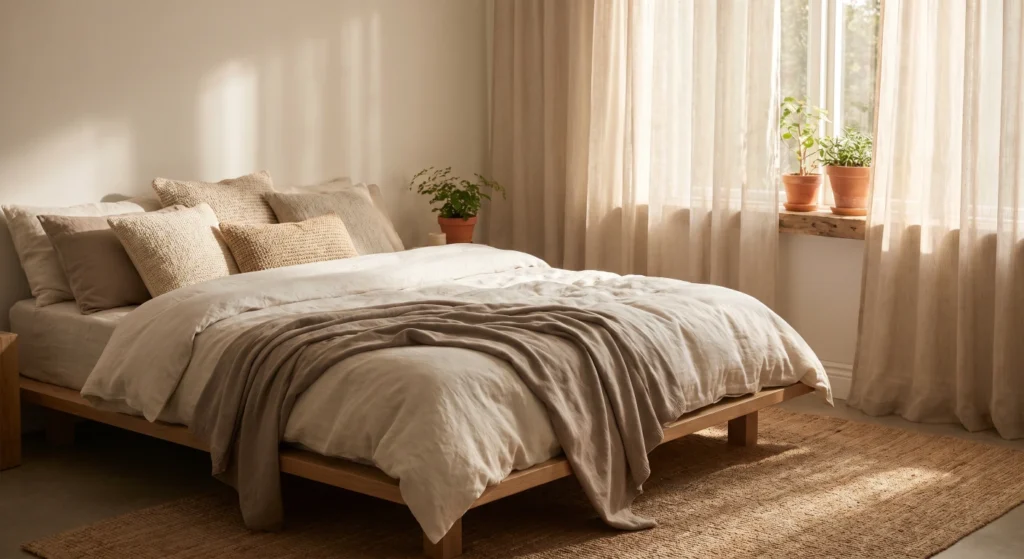
Raw linen and organic cotton textiles bring to the earthy home the most essential and most intimate layer of natural material authenticity — the tactile, sensory quality of genuinely natural fibers worn soft through honest use, carrying within their slight irregularity of weave, their characteristic gentle wrinkling, and their range of warm natural tones from pale oat to deep flax the irreplaceable quality of materials grown from the earth and processed with minimum industrial intervention that synthetic alternatives, however technically sophisticated, fundamentally cannot replicate in terms of genuine material honesty and organic sensory warmth. The way raw linen falls, drapes, catches light, and feels against the skin communicates a quality of genuine naturalness that is felt before it is consciously identified, contributing to the calm, grounded atmosphere of the earthy home through purely material means.
Building a complete earthy home textile scheme around raw linen and organic cotton means embracing the full range of natural tonal variation these materials offer in their unbleached, undyed, or naturally pigmented states — the warm creams and oatmeal whites of natural cotton, the golden flax and warm grey-beige of natural linen, the soft sage and dusty rose of plant-dyed organic fabric — layering different weights and weaves of the same natural fiber family to create a textile environment of considerable depth, tactile richness, and visual warmth that feels genuinely curated and materially cohesive rather than simply assembled from individually pleasant but unrelated natural fabric choices. Organic cotton and linen bedding certified by GOTS or OEKO-TEX provides the additional reassurance of genuine environmental credential alongside its inherent natural material beauty.
3. Indoor Olive and Fig Trees
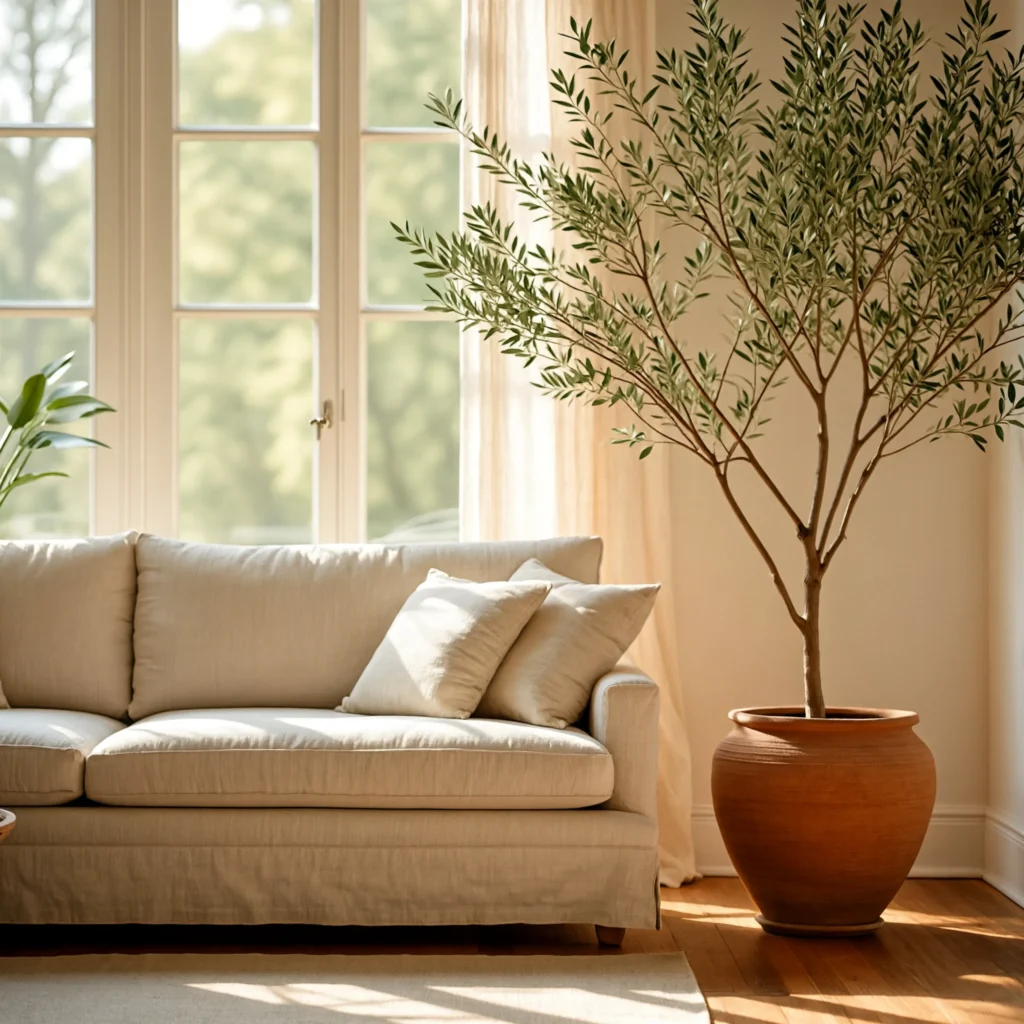
Indoor olive and fig trees bring to the earthy home an organic, Mediterranean vitality and a sculptural botanical presence of extraordinary visual beauty that smaller houseplants, however numerous and carefully tended, cannot replicate in terms of architectural scale, living material presence, and the genuinely tree-like quality of branching, canopied growth that fills vertical space with graceful, living structure and transforms a corner of the home interior into something approaching the dappled, sheltered experience of sitting beneath a real tree in a sun-warmed garden or grove. The olive tree’s particular combination of silvery grey-green foliage, gnarled and characterful trunk structure, and quietly ancient Mediterranean associations makes it uniquely suited to the earthy home aesthetic — a living object of genuine botanical beauty and cultural resonance that connects the interior space to thousands of years of human civilization’s relationship with this most ancient of cultivated trees.
Fig trees contribute an equally compelling but differently atmospheric indoor botanical presence — their broad, deeply lobed leaves of rich dark green creating a tropical lushness and generous shade-like quality that olive trees’ finer foliage cannot produce, their thick, smooth grey-green branches growing with a confident architectural directness that makes even young indoor specimens feel like genuine trees rather than overgrown houseplants. Both olive and fig trees thrive best positioned near the brightest available window in a warm interior, planted in generously sized terracotta pots that complement the earthy home’s warm material palette with their own fired clay beauty, and rewarded with patient, attentive care that understands their Mediterranean origins and adjusts watering, feeding, and seasonal light management accordingly. These remarkable living additions to the earthy home consistently generate the most passionate admiration from visitors who encounter them for the first time.
4. Wabi-Sabi Ceramic and Pottery Collection
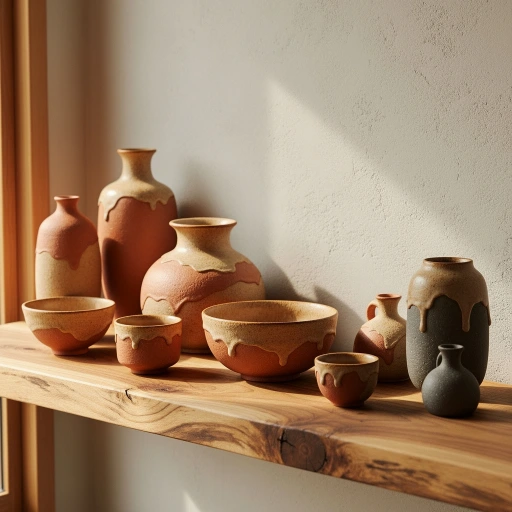
A curated wabi-sabi ceramic and pottery collection — hand-thrown vessels of deliberately imperfect, organically asymmetrical form glazed in the warm earth tones, ash greys, and subtle iron-rich colors of genuine wood-fired and reduction-fired ceramics — brings to the earthy home the Japanese philosophical tradition’s most beautiful and most practically applicable principle: that genuine beauty resides not in flawless perfection but in the honest, visible evidence of natural materials, human making, and the passage of time expressed through subtle imperfection, material variation, and the particular character that only hand-making can impart to clay objects. Each wabi-sabi ceramic piece is genuinely unique — no two hand-thrown vessels share exactly the same form, exactly the same glaze quality, or exactly the same surface character — making a collection of such pieces an accumulation of singular, irreplaceable objects of genuine individual beauty.
Building a wabi-sabi ceramic collection for the earthy home requires the patient, enjoyment-focused approach of accumulation over time rather than the single comprehensive purchase of a matched set — seeking out individual potters whose work resonates personally at craft markets, gallery shows, and online ceramic marketplaces, finding pieces that speak to the particular earthy aesthetic through their color, their form, and the visible evidence of skilled human hands at work in their surface. The practical use of wabi-sabi ceramics — as vessels for fresh flowers and dried botanicals, as fruit bowls and olive dishes, as candle holders and incense burners — integrates genuine handmade beauty into the functional daily life of the earthy home rather than relegating beautiful objects to purely decorative shelf display, realizing the Japanese mingei philosophy of finding and celebrating beauty in everyday functional objects made with genuine craft skill and honest material awareness.
5. Stone and Pebble Bathroom Accents
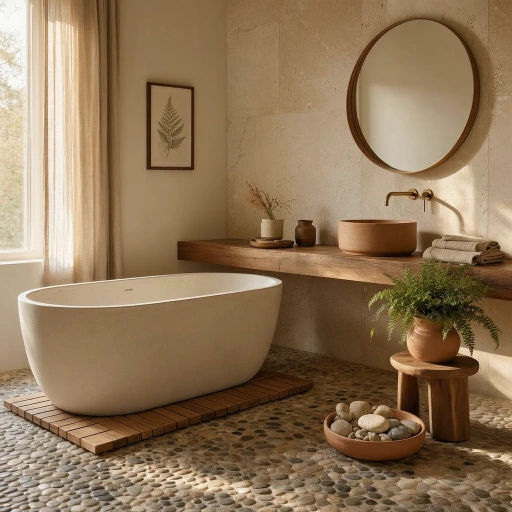
Stone and pebble bathroom accents — natural river pebble mosaic floors, large format limestone or travertine wall tiles, smooth polished stone soap dishes and accessories, and decorative arrangements of collected pebbles and stones displayed with the aesthetic consideration of genuine natural sculpture — bring to the earthy home bathroom the most primally grounding and most genuinely sensory-rich natural material experience available, connecting the daily rituals of washing and bathing directly to the geological world of rivers, lakeshores, and mountain streams where smooth, beautiful stones are formed over millennia of patient water and pressure into objects of perfectly unintentional natural beauty. The experience of standing barefoot on a natural pebble mosaic bathroom floor delivers an immediate, pleasurable tactile connection to the natural world that no manufactured floor surface can replicate.
Large format natural stone tiles in limestone, travertine, sandstone, or slate provide the earthy bathroom with wall and floor surfaces of extraordinary natural variation and geological beauty — each tile unique in its fossil inclusions, mineral veining, color variation, and surface texture — that transform the bathroom from a clinically surfaced functional space into a room of genuine natural material richness and geological wonder that makes the daily bathing ritual feel more connected to the broader natural world and more worthy of the time and attention it deserves as one of the day’s most genuinely restorative and physically pleasurable activities. Sealing natural stone bathroom surfaces with appropriate penetrating sealers maintains their natural appearance and tactile quality while providing the moisture resistance that bathroom environments require, preserving the stone’s beauty through years of daily use without the surface alteration that inappropriate or overly glossy sealers impose on the material’s natural character.
6. Sustainable Rattan and Bamboo Furniture
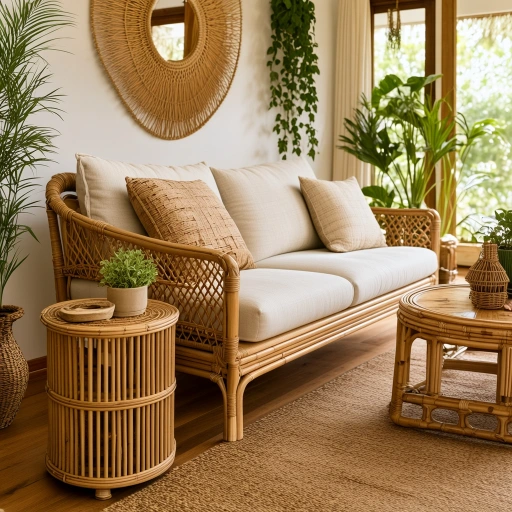
Sustainable rattan and bamboo furniture fills the earthy home with the warm, woven natural textures, organic golden tones, and genuine material lightness that connect interior spaces to the tropical plant world with a directness and visual warmth that manufactured furniture materials, regardless of their design quality or production sustainability credentials, simply cannot achieve in terms of the immediate, instinctive natural pleasure that genuinely plant-derived materials provide to human sensory perception. Rattan’s characteristic combination of structural flexibility with surprising strength, its naturally warm amber and honey tones that deepen beautifully with age and light exposure, and the beautiful geometric regularity of its woven patterns create furniture surfaces and forms of genuine natural visual complexity that reward close observation and reward daily living with continuous, modest tactile pleasure in every casual contact.
Bamboo furniture brings a different but equally compelling natural material quality to the earthy home — its extraordinary strength-to-weight ratio allowing furniture forms of remarkable slenderness and structural elegance, its distinctive node patterning providing surface visual interest of genuine botanical character, and its status as the world’s fastest-growing plant material providing a sustainability narrative of genuine environmental significance for homeowners who want their earthy aesthetic to extend beyond visual style into genuine ecological commitment. Contemporary sustainable furniture brands including Cane-line, Tine K Home, and numerous certified fair trade rattan and bamboo craft producers from Indonesia, Vietnam, and the Philippines offer designs that combine traditional natural material craft with contemporary furniture design sensibility to produce pieces of genuine aesthetic quality and documented supply chain transparency.
7. Exposed Wooden Ceiling Beams
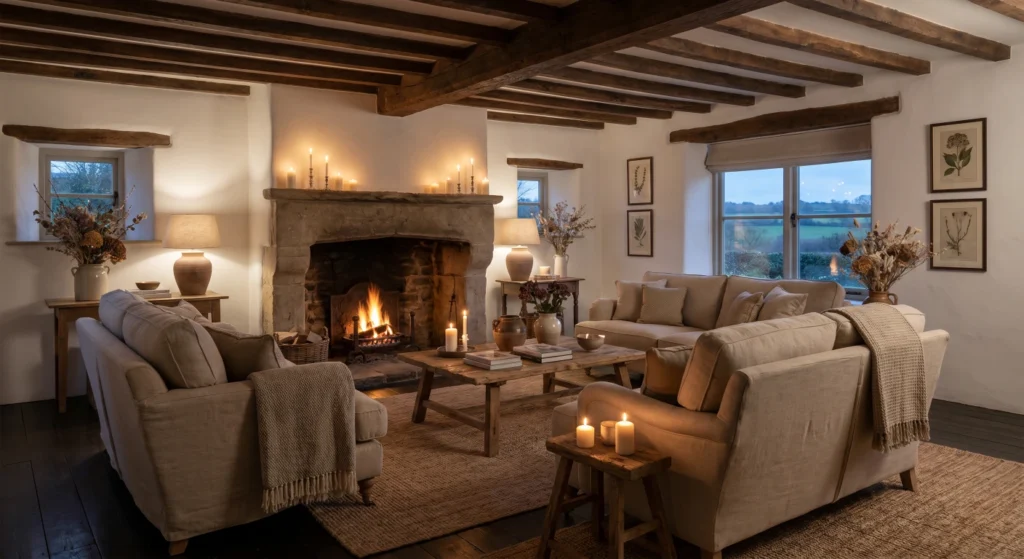
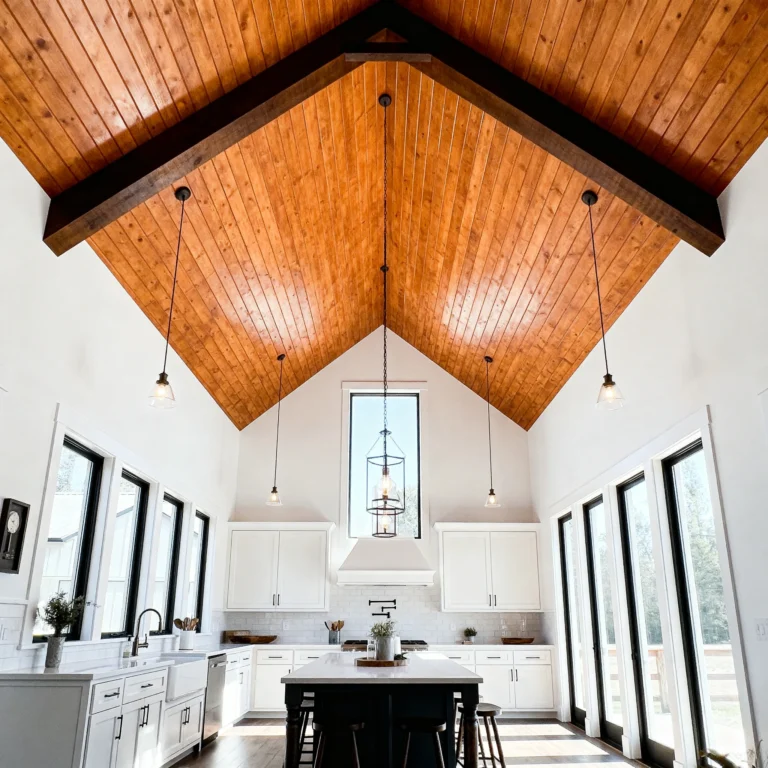
Exposed wooden ceiling beams — their rough-hewn or hand-adzed surfaces revealing the honest material reality of structural timber in all its natural grain character, knot patterns, and warm tonal variation — bring to the earthy home an overhead architectural presence of extraordinary warmth and grounding power that transforms the ceiling from a neutral, overlooked surface into an active contributor to the room’s atmosphere of natural material authenticity and organic connection to the world of forests, craftsmanship, and the long human tradition of building with wood. The psychological effect of visible timber structure overhead — its warm tones absorbing and modifying light, its horizontal rhythm creating a sense of sheltered enclosure, and its evident age and material solidity providing a quality of permanence and rootedness — contributes to the calm, grounded atmosphere of the earthy home in ways that are felt instinctively before they are consciously analyzed.
Original reclaimed timber beams sourced from demolished agricultural buildings, old industrial warehouses, and specialist salvage merchants provide the earthy home with ceiling structure of genuine historical character and irreplaceable material authenticity — their surfaces bearing the marks of original adzing or sawing, their color darkened through decades of exposure to light and air, and their dimensions reflecting the generous timber sizing of periods when old-growth trees provided structural lumber of quality unavailable from contemporary managed forestry. New oak beams air-dried to appropriate moisture content and surface-treated with natural linseed oil or beeswax rather than synthetic varnishes provide a beautiful and sustainably considered alternative for earthy homes where original beams are absent, their natural tannin-rich surfaces developing a beautiful patina of darkening and surface character through years of exposure to interior light and air that rewards the patient homeowner with continuously improving rather than simply static beauty.
8. Dried Botanical Arrangements and Pampas Grass
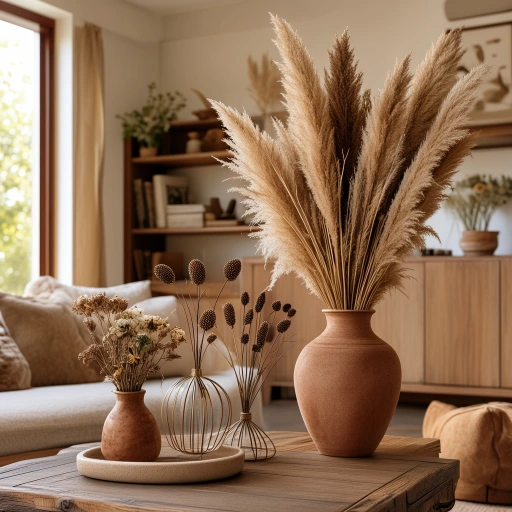
Dried botanical arrangements — generous bundles of pampas grass plumes in their natural cream and champagne tones, dried wildflower heads of achillea, statice, and craspedia, seed pods of lotus, nigella, and poppy, preserved eucalyptus branches, dried lavender bundles, and bleached lunaria silver dollar discs — provide the earthy home with a natural decorative vocabulary of extraordinary textural richness, seasonal poetic beauty, and remarkable practical longevity that fresh flowers, however undeniably more vivid and fragrant, simply cannot match in terms of low-maintenance permanence and the particular quality of quietly beautiful, slowly aging natural material that the wabi-sabi inspired earthy aesthetic most deeply values and most consistently celebrates as an expression of natural beauty in its most honest and most time-honest form.
The arrangement of dried botanicals in the earthy home should embrace abundance and natural generosity rather than sparse minimalism — full, generous bundles of pampas grass plumes in oversized terracotta or stoneware vessels, loose armfuls of dried wildflowers in tall ceramic jugs, wall-hung bunches of dried lavender and rosemary above doorways, and table arrangements that overflow with the dried bounty of multiple botanical species combined without excessive compositional control. The warm, muted color palette of dried botanicals — champagne, wheat gold, dusty rose, warm grey, faded sage, pale cream — harmonizes with the earthy home’s characteristic earth tone interior palette with instinctive naturalness, the botanical arrangements functioning as living expressions of the same warm, organic color story that terracotta walls, linen textiles, and wooden furniture establish throughout the grounded interior space.
9. Natural Stone Fireplace Surround
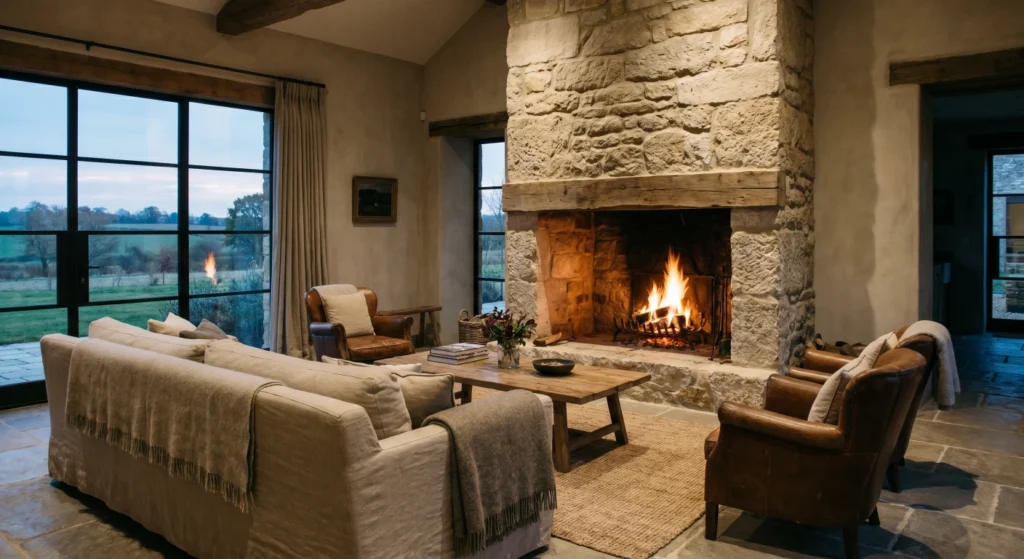
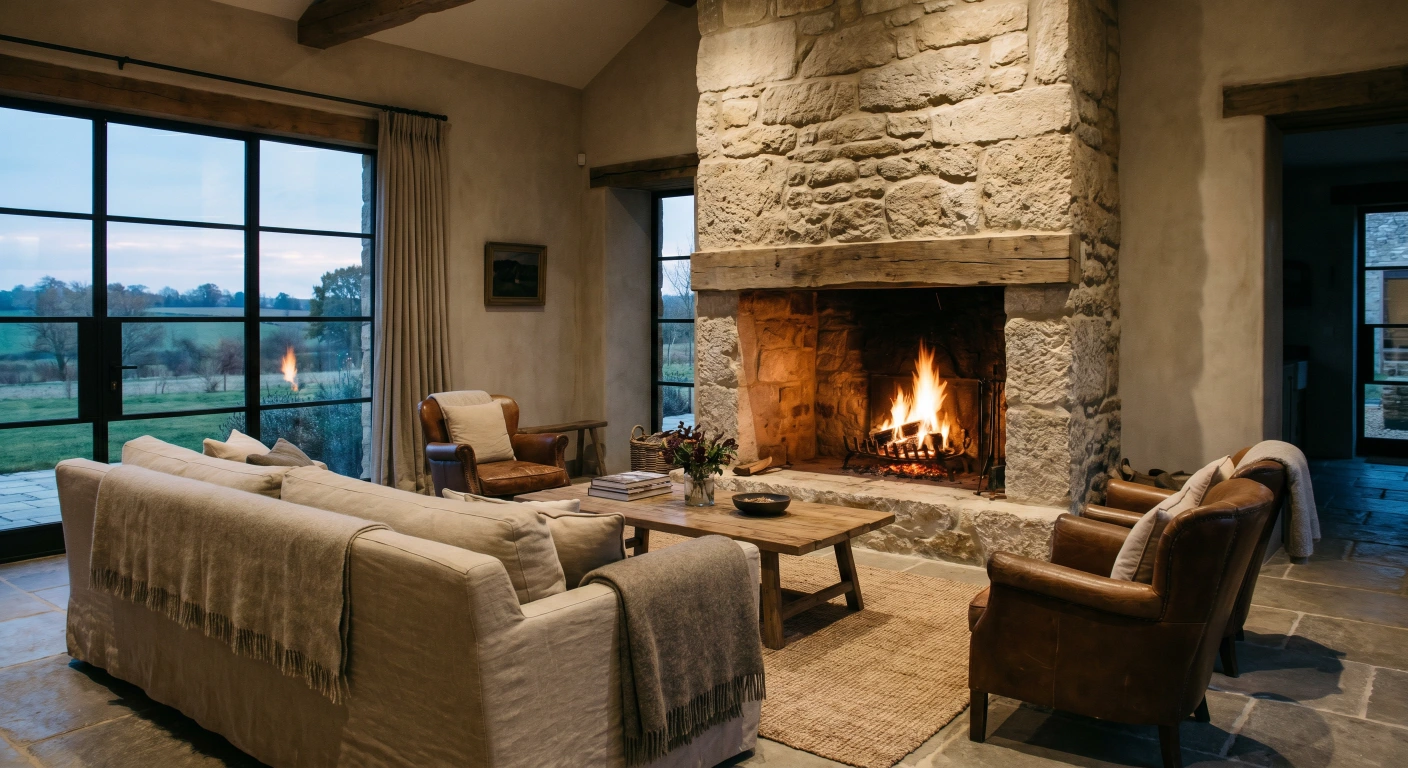
A natural stone fireplace surround — its rough-hewn or carefully dressed limestone, sandstone, granite, or fieldstone blocks communicating the geological permanence and material weight of the earth itself in the most architecturally anchoring and most visually powerful decorative element available to any room that is fortunate enough to accommodate one — creates within the earthy home an authentic focal point of primordial domestic beauty and grounding material presence that no manufactured fireplace surround, however carefully designed or expensively produced, can replicate in terms of the genuine geological age, natural material variation, and honest structural weight that real stone brings to the domestic interior. The natural stone fireplace is both the oldest and the most enduringly beautiful architectural element in the entire earthy home design vocabulary.
The particular character of a natural stone fireplace surround depends entirely on the specific stone chosen and the manner of its working — rough fieldstone collected from local agricultural land and laid in rustic courses creates a fireplace of earthy, vernacular directness and genuine local geological identity, while smooth-faced limestone blocks dressed to a precise finish create a more formal but equally natural fireplace of sophisticated architectural elegance and geological beauty. Sourcing stone from local quarries or salvage operations maximizes both the ecological credentials of the earthy home fireplace installation and its sense of genuine rootedness in a specific landscape and geological place — a fireplace built from stone drawn from the land immediately surrounding the home expressing the most complete and most authentic possible version of the earthy home design philosophy’s central aspiration toward genuine connection with the natural material world.
10. Warm Amber and Beeswax Candle Lighting
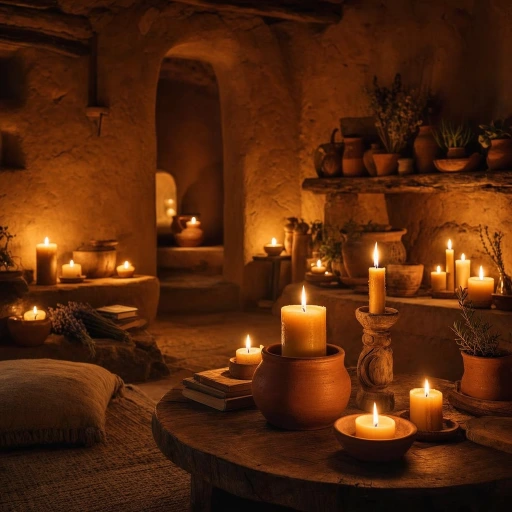
Warm amber and beeswax candle lighting — the most ancient, most biologically appropriate, and most atmospherically beautiful form of artificial illumination available to any interior — transforms the earthy home during evening hours into a space of genuinely extraordinary warmth, depth, and meditative calm that electric lighting, regardless of its color temperature, cannot replicate in terms of the subtle, constantly moving quality of flame-produced light and the warm, natural fragrance of genuine beeswax combustion that fills the room with the scent of honey and warm wax in the most understated, most genuinely organic form of home fragrance imaginable. Human beings evolved for tens of thousands of years in the light of fire, and candlelit rooms trigger an instinctive recognition of this ancestral warmth that electric light, however warm its color temperature setting, simply cannot access.
Building a candle lighting practice throughout the earthy home means investing in quality beeswax or pure plant-wax candles in natural unscented or lightly botanically scented varieties rather than synthetic fragrance-heavy paraffin alternatives, and accumulating a collection of beautifully varied candleholders — hand-thrown ceramic candlestick holders in warm terracotta glazes, rough-hewn wooden pillar candle stands, smooth stone tealight holders, and forged iron candelabras — that display the candles themselves as beautiful natural objects within the earthy interior rather than simply treating them as utilitarian light sources hidden in generic glass containers. Grouping multiple candles together on dining tables, mantelpieces, and low coffee table surfaces creates pools of particularly warm, concentrated candlelight that generates the most beautiful and most atmospheric earthy home evening ambiance, their combined warmth transforming the room into an environment of genuine, unhurried domestic beauty.
11. Earthen and Adobe Plaster Walls
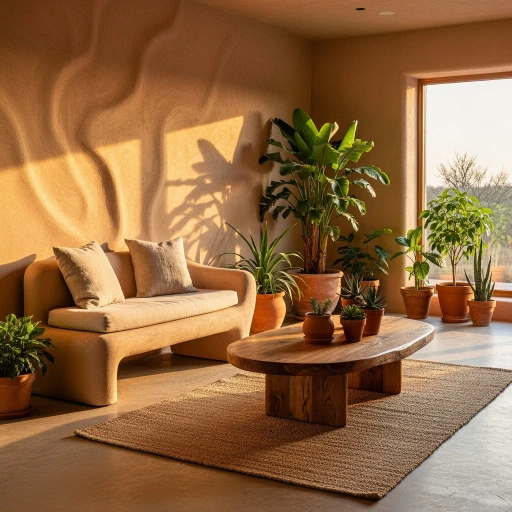
Earthen and adobe plaster walls — their warm, sandy, subtly undulating surfaces communicating the material reality of clay, sand, and natural fiber mixed and applied by hand to create wall finishes of genuine tactile beauty and organic irregularity that no machine-applied synthetic plaster or paint can replicate — bring to the earthy home the most profoundly direct and most materially authentic possible connection to the earth itself, their very substance being the earth — clay dug from the ground, mixed with straw and sand, and worked by hand onto wall surfaces in a building tradition practiced continuously across human cultures from ancient Mesopotamia and North Africa through the Pueblo Southwest and contemporary natural building design studios worldwide. Adobe plaster walls carry within their warm, textured surfaces the accumulated wisdom of the world’s oldest and most sustainable building material tradition.
The application of earthen plaster to interior walls by skilled natural plasters creates surfaces of remarkable individual beauty — their slightly irregular, hand-troweled finish revealing the evidence of skilled human making in every subtle variation of surface level, texture depth, and warm color tone that makes each wall genuinely unique and genuinely alive with material interest that rewards close examination and changes its appearance throughout the day as light moves across its subtly three-dimensional surface. Contemporary natural plaster companies and skilled artisan plasterers offer earthen plaster services in a wide range of clay and mineral pigment colorways — from pale sandy creams through warm terracotta tones to deep ochre and rich red earth colors — allowing the earthy home’s plaster wall aesthetic to be precisely calibrated to the room’s overall color scheme while maintaining the genuine natural material authenticity and extraordinary tactile surface quality that defines the earthen plaster experience.
12. Reclaimed Wood Floating Shelves
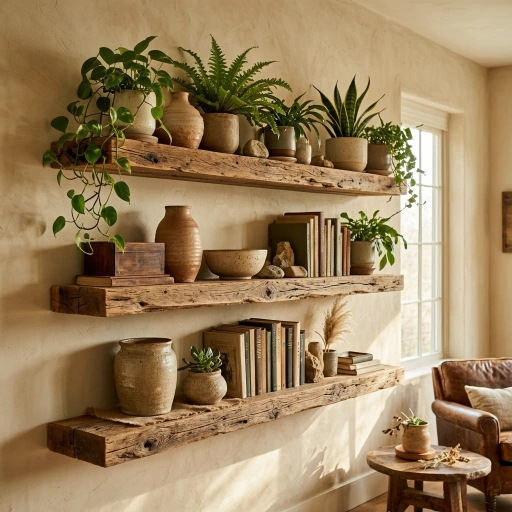
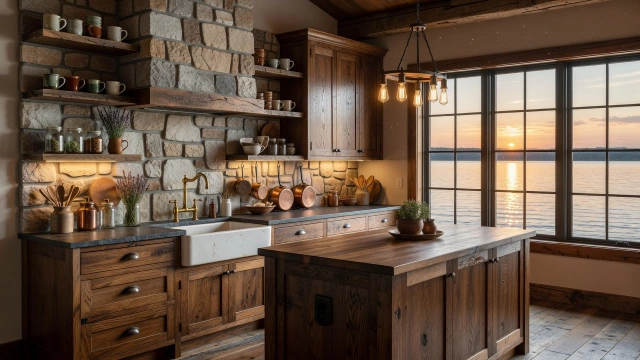
Reclaimed wood floating shelves — their aged surfaces bearing the honest evidence of previous structural lives in the form of nail holes, saw marks, weathering patterns, mineral staining, and the particular deep, complex tonal richness that only genuine age and exposure can develop in wood over decades of outdoor or industrial service — bring to the earthy home wall surfaces an organic material depth and historical authenticity that newly cut timber shelving, however beautifully grained or carefully finished, cannot possess without the irreplaceable quality of genuine elapsed time and material experience. The beauty of reclaimed wood lies precisely in its imperfection — in the marks, stains, and weathering that record its history and make each piece genuinely unique among all other pieces of wood that have ever existed or will ever exist.
Sourcing reclaimed timber for earthy home floating shelves from architectural salvage specialists, barn demolition timber merchants, and specialist reclaimed wood suppliers provides material of guaranteed genuine provenance and authenticity while supporting the circular economy of building material reuse that aligns perfectly with the earthy home’s broader environmental values and its fundamental aesthetic commitment to genuine natural materials over synthetic alternatives. Mounting reclaimed wood shelves with minimal visible hardware — concealed shelf supports, or raw steel brackets whose industrial simplicity provides a pleasing material contrast with the organic warmth of the aged timber — and styling them with a curated combination of wabi-sabi ceramics, living trailing plants, natural stone objects, and carefully chosen books creates earthy home wall compositions of considerable personal character and visual richness that communicate authentic natural material appreciation with the quiet confidence of genuine taste and considered domestic intelligence.
13. Jute and Sisal Natural Fiber Rugs
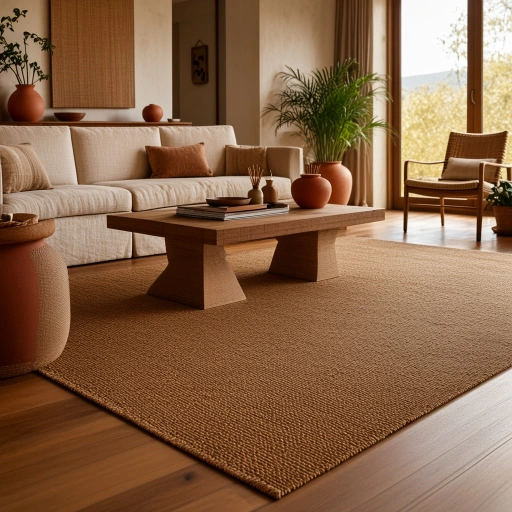
Jute and sisal natural fiber rugs provide the earthy home’s floors with the most honest, most genuinely natural, and most texturally satisfying floor covering available — their plant-derived fibers carrying an organic warmth, a characteristic subtle variation in weave density and natural color tone, and a genuine tactile interest underfoot that wool, cotton, and synthetic fiber rugs, however beautifully designed or luxuriously soft, cannot replicate in terms of the particular earthy, grounded quality of genuine plant fiber in direct contact with the living space floor. The natural golden tones of jute and the slightly cooler, greener tones of sisal and seagrass create floor coverings of beautiful natural simplicity that harmonize with every earthy home color palette and material combination with the effortless naturalness of materials that share the same organic origin as every other natural element in the carefully considered grounded interior.
Layering a natural jute or sisal rug over warm wood or polished concrete floors — and layering in turn a smaller, more decorative rug of handwoven wool or vintage kilim over the natural fiber base — creates the earthy home’s most complete and most textually interesting floor treatment, combining the generous natural coverage and subtle texture of the jute or sisal foundation with the color, pattern, and additional tactile warmth of the layered upper rug in a floor composition of genuine visual depth and material variety that rewards the design investment with daily aesthetic pleasure and practical comfort underfoot. Choosing jute and sisal rugs from verified natural fiber producers who can provide supply chain transparency and fair trade certification extends the earthy home’s commitment to natural materials into a genuine statement of environmental and social values that enhances the meaning and integrity of the overall interior design philosophy.
14. Mushroom and Earthy Neutral Bedroom
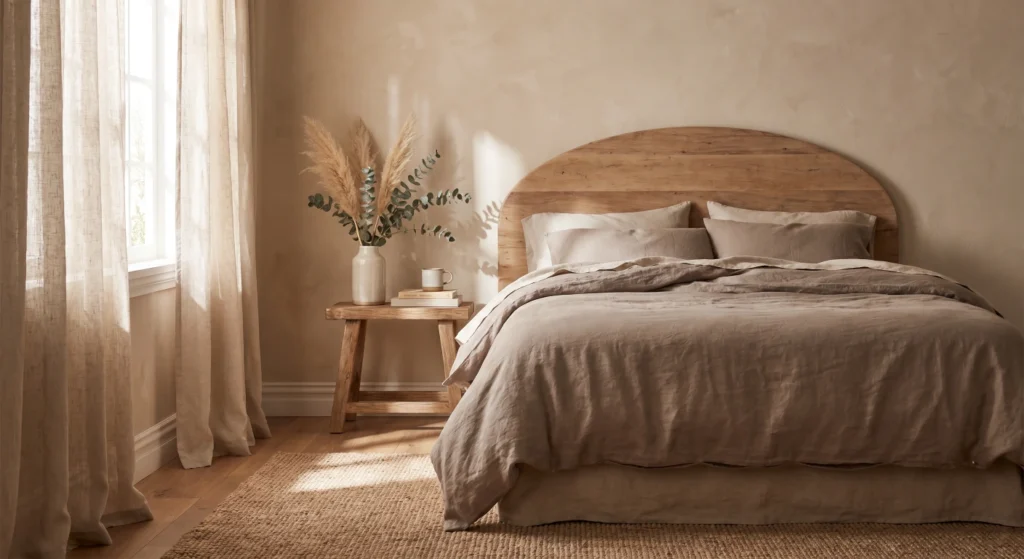
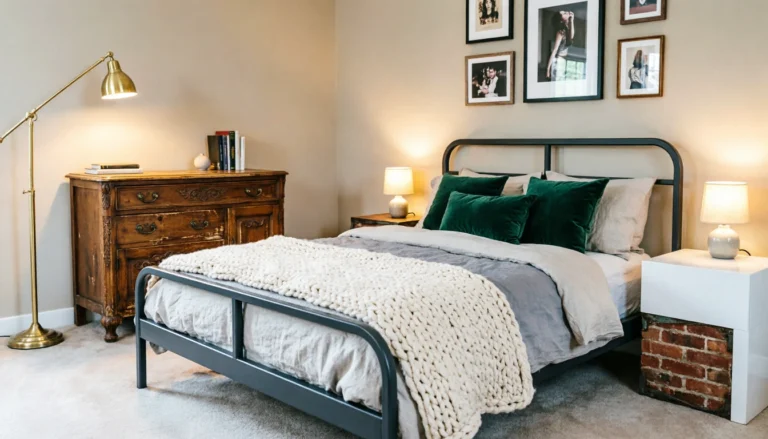
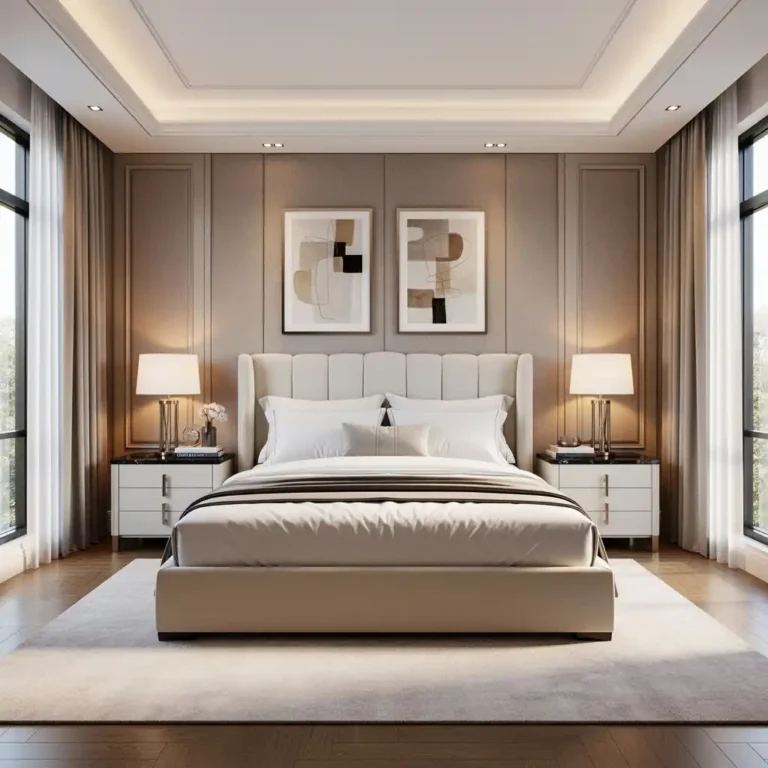
A mushroom and earthy neutral bedroom — its entire color palette drawn from the warm, complex, slightly grey-tinged neutrals of dried fungi, lichen-covered stone, aged driftwood, and the particular quality of morning light filtered through linen curtains — creates the earthy home’s most restful and most genuinely sleep-supporting interior environment, its tonal sophistication and organic color complexity providing visual warmth and calm simultaneously in a way that cool grey, stark white, or overtly saturated color bedrooms cannot achieve in terms of both aesthetic beauty and genuine psychological support for the relaxation and rest that the bedroom space is fundamentally designed to facilitate. The mushroom neutral bedroom palette is simultaneously the most quietly beautiful and the most biologically appropriate color environment for human rest and restoration.
Building a complete mushroom and earthy neutral bedroom requires the most careful attention to the specific undertones of every color choice — mushroom tones can veer toward pink, green, yellow, or grey depending on their pigment composition, and maintaining tonal harmony across walls, bedding, curtains, and accessories demands the kind of patient sample-testing and natural light evaluation that earthy neutral color schemes require more than bolder, more obviously contrasting palettes where tonal unity is less critical to the overall visual success of the composition. Organic linen bedding in unbleached or naturally dyed neutral tones, a curved wooden headboard in lightly oiled oak or ash, warm plaster walls in a complex mushroom tone, and a single beautiful dried botanical arrangement on the bedside table create a bedroom of such complete, calm, organic beauty that it becomes genuinely the most restorative and most personally grounding room in the entire earthy home.
15. Indoor Water Feature or Stone Bowl
A small indoor water feature — a smooth natural stone bowl with a recirculating pump creating a gentle, continuous flow of water over river pebbles and polished stone, or a simple ceramic basin with a small bamboo spout delivering water in a quiet, meditative stream — brings to the earthy home the most profoundly calming and most genuinely grounding sensory experience that any interior design element can provide: the sound of moving water, quiet and continuous, working on the human nervous system with a calming efficacy that neuroscience confirms and every person who has ever sat beside a stream, fountain, or waterfall instinctively understands without requiring scientific validation. Water sound creates calm with a directness and biological authority that visual design elements, however beautiful, cannot match as acoustic therapeutic tools.
The visual contribution of a stone water feature to the earthy home interior extends considerably beyond its acoustic calming function — the smooth, wet surfaces of natural stone and river pebbles catching light with a luminous quality that dry stone lacks, the surrounding moisture supporting a small collection of moisture-loving plants like ferns, mosses, and peace lilies that create a miniature indoor garden of genuine botanical beauty, and the physical presence of water itself reminding the home’s inhabitants of their most fundamental dependency on the natural world. Positioning an indoor water feature in the entry hall, living room corner, or on a bedroom windowsill where its gentle sound carries into the sleeping environment creates an earthy home focal point of meditative natural beauty that delivers its calming benefits most fully to those who spend the most time in quiet proximity to its continuous, quietly musical presence.
16. Handwoven Blankets and Throws
Handwoven blankets and throws in warm earth-toned wool — their warp and weft creating textile surfaces of genuine visual complexity, their natural fiber warmth providing physical comfort of extraordinary sensory quality, and their handmade origin communicating the human skill and creative intention of individual weavers working at looms with the unhurried, meditative attention that machine production entirely cannot replicate in terms of the subtle variation and genuine craft character that hand-weaving introduces into every centimeter of the finished textile surface — provide the earthy home with its most accessible, most versatile, and most immediately impactful layer of natural material warmth and organic decorative enrichment, their draping presence on sofas, armchairs, and bed ends transforming every seating and sleeping surface they touch with casual, generous abundance of genuine natural textile beauty.
The earth tone color palette of handwoven wool blankets — rust reds drawn from madder and iron mordants, warm ochre yellows from weld and pomegranate, sage greens from woad and tannin, natural undyed cream and charcoal from the fleeces of naturally colored sheep breeds — provides the earthy home textile layer with both the environmental authenticity of natural dyeing tradition and the warm, complex color richness of plant and mineral pigments that synthetic dyes, for all their color range and fastness, cannot reproduce in terms of the subtle, slightly muted, organically complex quality that genuine natural dye produces in wool fiber. Layering multiple handwoven blankets of different weave structures, weights, and tonal variations across a sofa or bed creates a textile composition of considerable visual depth and tactile invitation that makes the earthy home’s seating and sleeping areas genuinely irresistible invitations to settle, rest, and be thoroughly, warmly comfortable.
17. Wooden Bath Tray and Natural Spa Accessories
A wooden bath tray spanning a freestanding soaking tub — bearing beeswax candles in ceramic holders, a stone soap dish with a handmade natural soap, a small ceramic cup of herbal tea, a natural loofah or jute exfoliating mitt, and perhaps a single stem of fresh eucalyptus or dried lavender — transforms the earthy home bathroom into a genuine private spa sanctuary of natural material beauty and sensory richness that makes the daily bathing ritual feel worthy of the time and attention it deserves as one of the most potentially restorative and most deeply self-caring activities available within the domestic environment. The wooden bath tray is the earthy bathroom’s most important styling accessory precisely because it organizes the ritual objects of bathing into a visible, deliberately considered composition that signals intentionality and self-care with simple, beautiful clarity.
Choosing natural spa accessories for the earthy bathroom involves the same commitment to genuine natural materials that the earthy home philosophy applies to every other material choice throughout the interior — natural sea sponges rather than synthetic loofahs, cold-process handmade soaps with botanical ingredients rather than commercial detergent bars, pure essential oil bath drops rather than synthetic fragrance bath products, beeswax or soy candles rather than paraffin alternatives, and wooden, stone, or ceramic accessories rather than plastic or resin ones. Building this collection gradually through artisan makers at farmers markets, natural food stores, and specialist natural beauty suppliers creates a bathroom accessory grouping of genuine organic quality and considerable personal meaning — each piece chosen for its authentic natural material credentials and its contribution to a bathing ritual of real sensory pleasure and genuine, unhurried daily self-restoration that the earthy home’s broader philosophy of calm, grounded natural living most fundamentally aspires to provide.
18. A Reading Nook with Raw Wood and Sheepskin
A reading nook built into a window alcove or architectural recess with a raw-edge live edge wooden bench seat, a generously thick sheepskin throw draped across it with casual natural abundance, a small wall-mounted wooden shelf holding a curated selection of beloved books and a single beeswax candle, and a warm amber lamp positioned to cast exactly the right quality of focused, intimate reading light creates the earthy home’s most completely realized and most personally meaningful interior moment — a dedicated space of genuine physical comfort, sensory natural richness, and quiet intellectual pleasure that embodies the earthy home design philosophy’s deepest aspiration toward a domestic environment of calm, grounded, genuinely nourishing daily life fully lived in conscious, grateful contact with natural materials, natural light, and the irreplaceable human pleasures of rest, warmth, and the written word encountered in beautiful, unhurried surroundings.
The live edge wooden bench seat provides the reading nook’s most powerful earthy material statement — its natural wood slab retaining the original edge profile of the tree from which it was cut, its grain patterns and occasional knot inclusions making visible the living history of a specific tree that grew for decades in a specific forest before becoming the most beautiful and most characterful possible seating surface for a corner of intimate domestic retreat. The sheepskin throw adds the most luxuriously tactile and most genuinely warming natural textile layer to the reading nook’s sensory experience — its deep, dense fleece providing physical warmth of extraordinary quality and a visual abundance of creamy natural fiber that makes the nook irresistibly inviting from across the room. These combined natural material elements create an earthy home reading nook of such complete, genuine sensory beauty and personal restorative power that it becomes the room most consistently and most gratefully occupied throughout every season of the year.