18 Organic Kitchen Ideas with Warm Earth Tone Inspiration
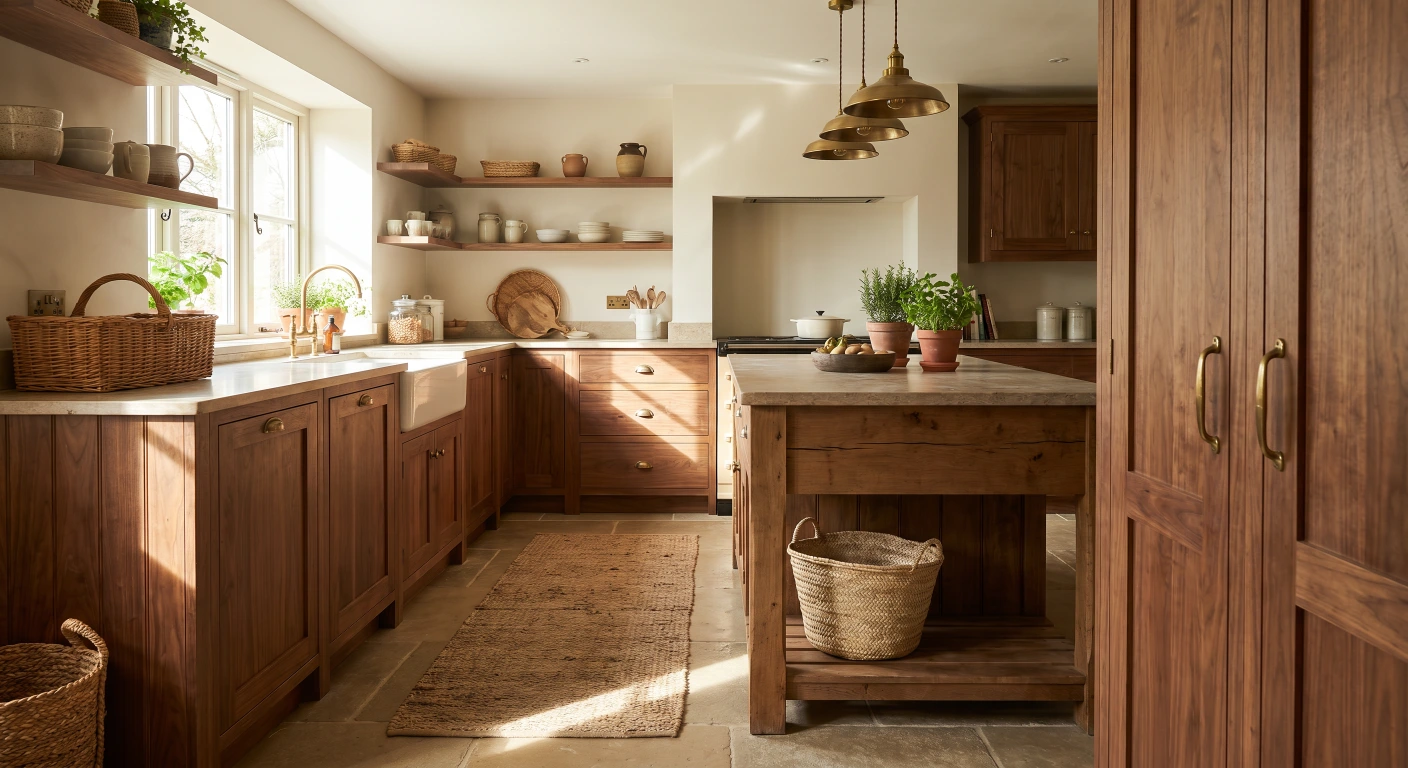
1. Terracotta Tile Backsplash with Handmade Finish
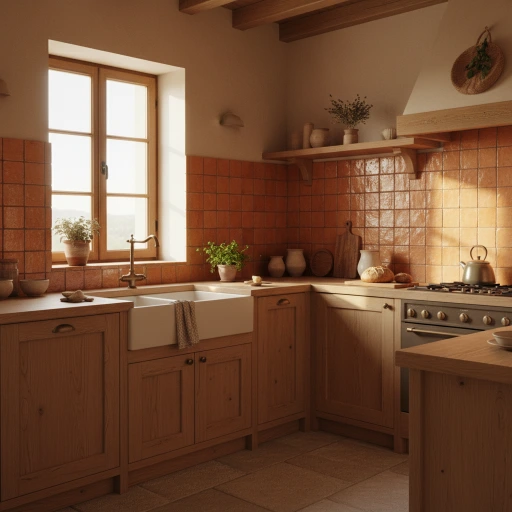
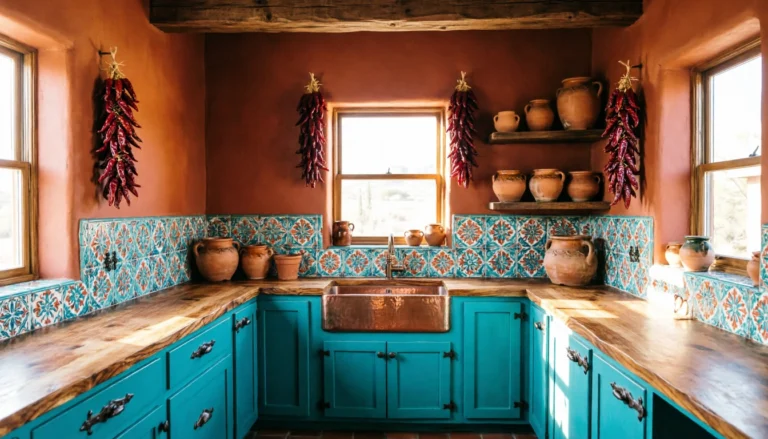
A handmade terracotta tile backsplash represents the single most transformative and most immediately characterful organic kitchen design choice available, wrapping the primary cooking wall in the warm, ancient, irreplaceable beauty of fired clay tiles whose individually variable surfaces — each tile bearing the slight irregularities of hand-pressing, the subtle color variation of natural clay firing, and the organic surface texture that machine-manufactured ceramic tiles categorically cannot replicate — create a kitchen wall of genuine material depth, warmth, and artisanal authenticity that makes cooking within its presence a daily aesthetic pleasure of the most grounding and most genuinely satisfying kind. Terracotta’s extraordinary ability to absorb, warm, and gently modify the quality of natural and artificial light that falls across its surface transforms the kitchen backsplash from a purely protective utilitarian surface into an active contributor to the room’s overall warm, organic atmosphere — its honey-amber and burnt sienna tones glowing with particular beauty in the raking light of morning sun and the warm, directional illumination of evening kitchen lighting.
Sourcing handmade terracotta tiles from independent ceramic studios, specialist natural building suppliers, or traditional Mediterranean tile makers in Spain, Portugal, Morocco, or Mexico provides the organic kitchen with backsplash tiles of genuine artisanal provenance and authentic natural clay character — their slight dimensional variations, color inconsistencies, and surface irregularities contributing to rather than detracting from their beauty in a way that perfectly expresses the organic kitchen’s fundamental design philosophy of celebrating natural material authenticity over industrial perfection. Sealing handmade terracotta tiles with a penetrating natural linseed oil sealer rather than a surface-coating synthetic product maintains the tiles’ breathable, matte, genuinely organic surface character while providing adequate protection against cooking splashes and oil deposits, ensuring that the terracotta backsplash remains as functionally practical as it is aesthetically beautiful throughout years of daily cooking activity and genuine kitchen use.
2. Warm Walnut and Oak Shaker Cabinetry
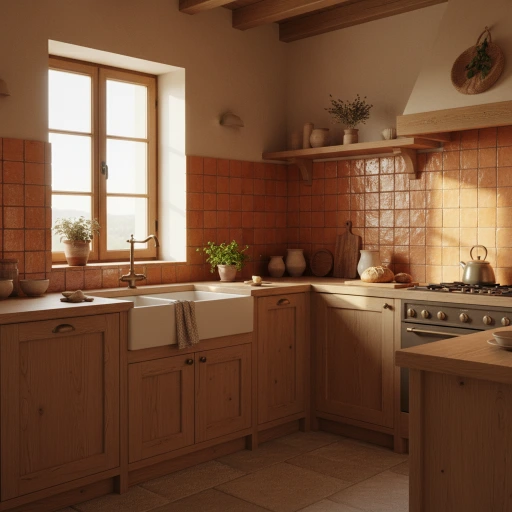
Warm walnut and oak Shaker cabinetry fills the organic kitchen with the most foundational and most enduringly beautiful natural material presence available to any kitchen design — the rich, deeply figured grain of solid walnut doors providing a visual depth and material warmth of extraordinary complexity that painted cabinetry, however skillfully finished in the most carefully chosen organic earth tones, simply cannot match in terms of the genuine material authenticity and biological connection to the living wood from which the cabinets were made. The Shaker cabinet form — with its recessed center panel, clean square stiles and rails, and absence of applied decorative molding — provides the perfect architectural vehicle for showcasing beautiful wood grain, its deliberate restraint directing full attention to the material itself rather than the decorative complexity of the cabinet door design, making genuinely beautiful wood the design statement rather than merely the substrate for applied decoration.
The specific choice between walnut and oak for organic kitchen Shaker cabinetry involves a meaningful aesthetic decision with significant atmospheric consequences for the overall kitchen interior — walnut’s deep chocolate and purple-tinged brown tones creating a kitchen of considerable drama, richness, and sophisticated material weight that pairs beautifully with warm cream stone countertops, black or dark bronze hardware, and warm white plaster walls; while oak’s lighter honey and amber tones create a kitchen of brighter, more open organic warmth that welcomes natural light with greater generosity and provides a slightly less formal, more casually beautiful natural material atmosphere that some homeowners prefer for the organic kitchen’s primary functional and social space. Both wood species develop beautiful patinas over decades of kitchen use and natural light exposure that deepen and enrich their characteristic tonal qualities, making solid wood Shaker cabinetry an investment in beauty that genuinely, demonstrably improves with every passing year of honest domestic use.
3. Limewash Painted Kitchen Walls
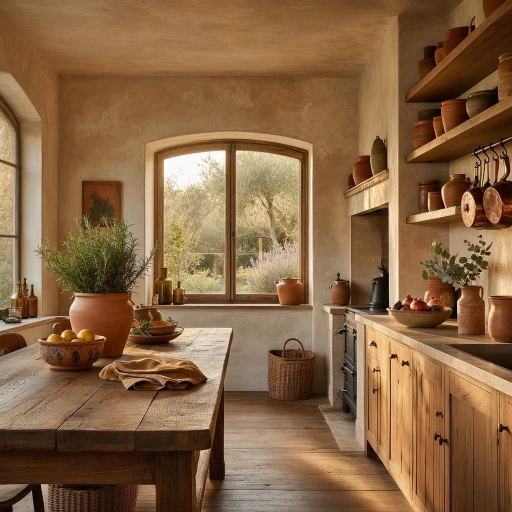
Limewash painted kitchen walls — their mineral pigment formulations creating surfaces of extraordinary tonal depth, subtle translucency, and organic color variation that respond to changing light conditions throughout the day with a living, breathing visual dynamism entirely absent from conventional latex-painted walls of equivalent color — provide the organic kitchen with a wall finish of genuine material authenticity and atmospheric warmth that immediately establishes the room’s commitment to natural materials, organic processes, and the honest beauty of surfaces whose aesthetic quality derives from their genuine mineral composition rather than from applied synthetic pigment suspended in plastic binder. Limewash paint creates walls that feel genuinely alive and genuinely ancient in a way that no contemporary paint product can achieve.
Contemporary limewash paint manufacturers including Portola Paints, Bauwerk Colour, Keim Mineral Paints, and Farrow and Ball’s Limewash range offer organic kitchen wall color options of considerable sophistication and considerable range — from the palest, most delicate mushroom whites through warm sandy clays, dusty terracottas, and soft sage greens to deeper, more dramatically colored ochres, siennas, and earthy umbers — all sharing the characteristic mineral depth, slight translucency, and organic surface variation that distinguish genuine limewash and mineral silicate paint from imitation products that attempt to replicate the limewash aesthetic through surface texture additives applied to conventional synthetic paint bases. The application of limewash paint to organic kitchen walls benefits from the deliberate, slightly irregular brush application technique that allows overlapping strokes to create the natural color variation and texture depth that makes limewash walls so visually rich and so atmospherically distinctive throughout the kitchen’s daily cycle of changing natural and artificial illumination.
4. Unlacquered Brass Hardware and Fixtures
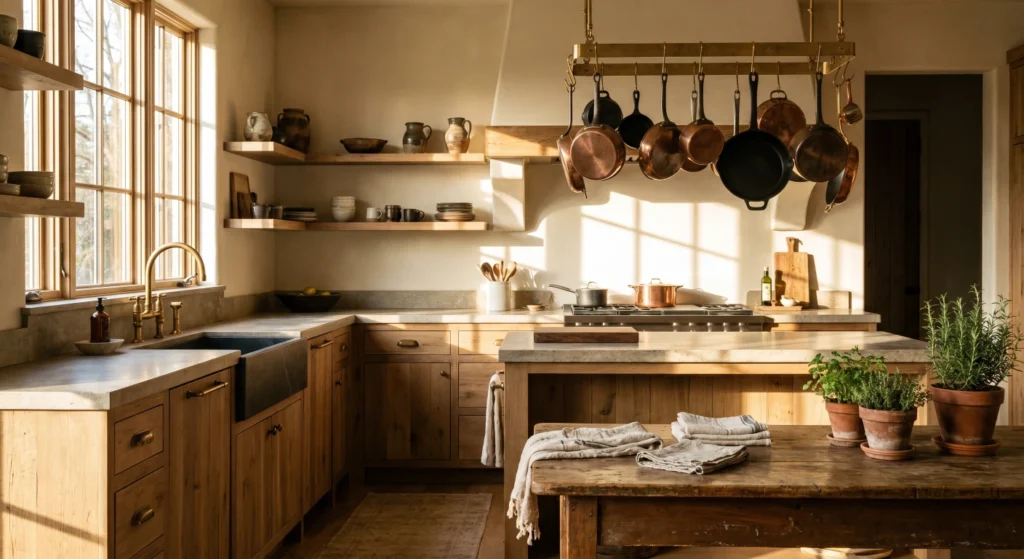
Unlacquered brass hardware and fixtures — cabinet pulls, knobs, bridge faucets, pot racks, and light fixture components all finished in the same warm, living, gradually patinating brass that responds to daily kitchen use by developing an organically varied surface of deepening warmth, subtle spotting, and tonal complexity that no lacquered or artificially aged brass alternative can replicate — bring to the organic kitchen the most characterful and most genuinely time-responsive metallic accent available, their golden amber tones warming the entire kitchen interior with a quality of reflected light that chrome, brushed nickel, and matte black hardware, however fashionable, entirely fail to provide in terms of genuine organic warmth and the particular quality of aged, honest metal that communicates daily use, domestic life, and the beauty of materials allowed to develop naturally over time without protective interference. Unlacquered brass is the organic kitchen’s most authentic metal choice.
The deliberate choice of unlacquered brass for organic kitchen hardware represents a meaningful philosophical commitment to the beauty of natural aging that aligns perfectly with the broader organic kitchen design philosophy — accepting and celebrating the inevitable changes that daily use, moisture exposure, and the passage of time make in the surface character of metal fixtures rather than attempting to freeze hardware in a state of original perfection through protective lacquer coating that prevents the natural patination process from occurring. Cleaning unlacquered brass with nothing more than warm soapy water and occasional polishing with a mixture of lemon juice and salt maintains the metal’s cleanliness and manages the degree of patination, allowing the kitchen user to determine how much living character their brass fixtures accumulate over time while never preventing the genuinely beautiful, warm, organically complex surface that unlacquered brass develops through years of caring, attentive domestic use in a well-loved organic kitchen.
5. Stone and Marble Countertops in Warm Tones
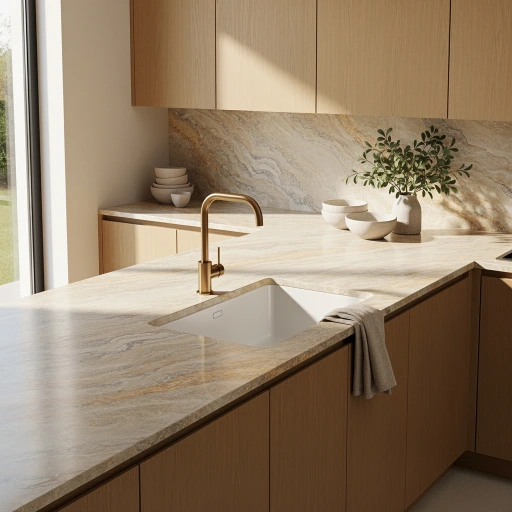
Warm-toned stone and marble countertops — their natural mineral veining in honey gold, warm amber, soft terracotta, and dusty rose creating surface patterns of genuine geological beauty that no manufactured quartz or composite material can replicate in terms of the authentic natural origin, unique individual character, and the particular quality of depth and translucency that genuine stone provides when light penetrates its crystalline surface — provide the organic kitchen with its most luxurious and most materially authentic horizontal working surface, transforming the primary functional plane of the kitchen into a geological art installation of continuous, ever-changing natural beauty that makes every moment of food preparation on its warm, smooth surface a quietly extraordinary daily pleasure. Each stone slab is genuinely unique — no two countertops share exactly the same veining pattern, color distribution, or surface character.
Selecting stone countertops for the organic kitchen requires the kind of personal, hands-on evaluation of individual slabs that online purchasing entirely precludes — visiting natural stone suppliers and selecting the specific slabs that will become kitchen countertops, examining their veining patterns, color distribution, and surface character in the actual light conditions of the kitchen they will inhabit, and choosing pieces whose natural beauty resonates with the specific warmth and organic character of the kitchen’s overall material palette. Warm-toned marbles including Calacatta Oro, Giallo Siena, and Breccia Capraia, natural quartzites including Taj Mahal and White Macaubas, and native sandstones and limestones all provide organic kitchen countertops of considerable natural beauty and warm earthy character that honor the kitchen’s commitment to genuine natural materials and the authentic beauty of the geological world from which all stone surfaces ultimately derive their extraordinary, irreplaceable visual richness.
6. Open Shelving with Curated Ceramic Display
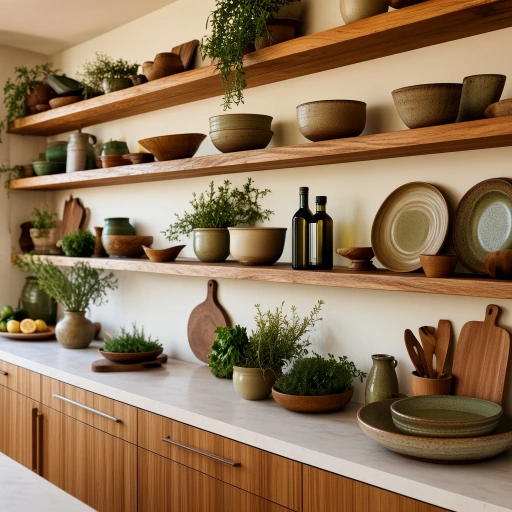
Open shelving displaying a curated collection of handmade ceramics — stoneware bowls in warm ash glazes, hand-thrown plates in terracotta and cream, ceramic mugs with organic handle forms and iron-spotted glazes, small ceramic pinch pots holding salt and spices beside the stove — transforms the organic kitchen’s storage and display wall into an ongoing exhibition of natural ceramic beauty that makes every meal preparation and every quiet morning coffee a daily encounter with objects of genuine handmade quality and personal aesthetic meaning. The organic kitchen’s open shelf display is simultaneously a practical storage solution, a decorative installation of considerable visual richness, and a personal collection of beautiful functional objects that reveals the kitchen inhabitant’s values, taste, and commitment to the crafted, natural, organically beautiful domestic life with quiet, articulate authenticity.
Building the organic kitchen’s open shelf ceramic collection gradually over time — seeking out individual potters at craft markets, pottery studio open days, and online ceramic marketplaces whose work resonates with the kitchen’s specific warm earth tone aesthetic and organic material philosophy — creates a display of genuinely personal, genuinely curated objects whose accumulation story matters as much as their individual beauty in establishing the authentic, lived-in, organically developed character that the most beautiful organic kitchens possess and that instantly decorated, comprehensively purchased kitchen displays invariably lack. Organizing the ceramic display with deliberate attention to color harmony, scale variation, and the breathing space between grouped objects — allowing each beautiful piece adequate visual room to communicate its individual character without competition — creates an open shelf composition of genuine curatorial quality that rewards daily observation with the discovery of new details, new relationships between objects, and new appreciations of familiar pieces encountered in changing light conditions throughout the organic kitchen’s daily cycle of cooking, gathering, and nourishing domestic life.
7. Farmhouse Sink in Fireclay or Ceramic
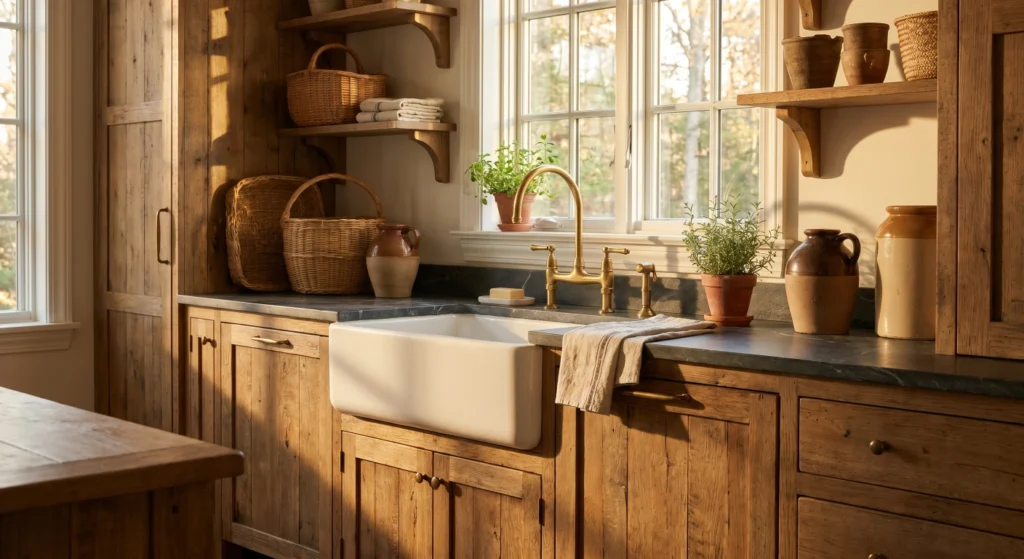
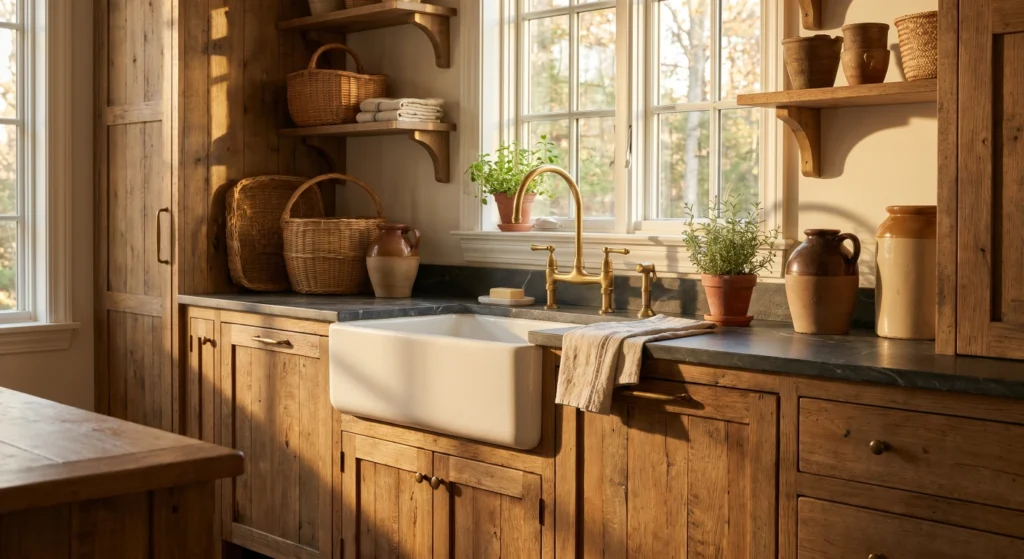
A large fireclay or ceramic farmhouse sink — its generous single or double basin providing ample working volume for the serious daily cooking activity that the organic kitchen’s food-focused philosophy encourages, its exposed apron front contributing a note of traditional domestic generosity and unpretentious working kitchen character that undermount and top-mount sink formats entirely lack — provides the organic kitchen with its most practically important and most aesthetically defining plumbing fixture, combining extraordinary functional capacity with a visual presence of such complete, resolved beauty and timeless kitchen authenticity that it consistently generates more admiring comments from kitchen visitors than any other single kitchen element regardless of its relatively modest cost compared to countertops, cabinetry, and appliances. The farmhouse sink is the organic kitchen’s most beloved workhorse.
The specific material qualities of fireclay — a high-fired ceramic material of exceptional density, hardness, and thermal stability created by combining refined clay with glaze and firing to temperatures exceeding 2300 degrees Fahrenheit — provide the organic kitchen farmhouse sink with a surface of genuine material superiority that conventional porcelain-coated cast iron, stainless steel, and composite sinks cannot match in terms of chip resistance, stain resistance, and the particular quality of bright, slightly warm white that fireclay achieves through its unique manufacturing process and that weathers over years of kitchen use to a beautifully patinated version of its original brilliance rather than simply wearing, chipping, and scratching toward an increasingly tired appearance. Pairing a fireclay farmhouse sink with a polished or unlacquered brass bridge faucet creates the organic kitchen’s most complete, most period-authentically beautiful, and most functionally satisfying sink installation — a working kitchen focal point of extraordinary daily pleasure and genuine material harmony.
8. Exposed Plaster Range Hood
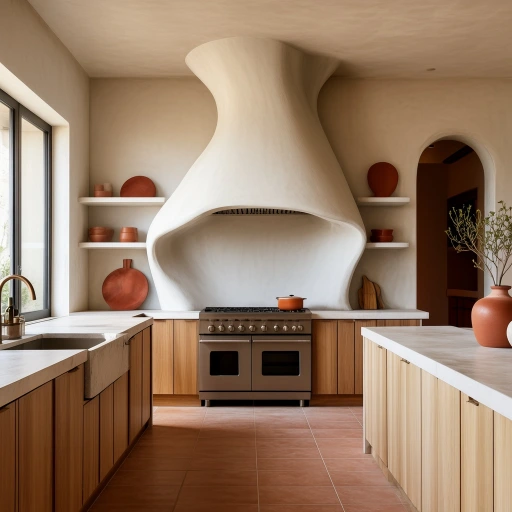
A sculptural exposed plaster range hood — its smooth, organically formed body in warm white or clay-toned natural plaster creating a statement kitchen focal point of such architectural drama and material authenticity that it transforms the range hood from a purely functional ventilation element into the kitchen’s single most visually commanding design gesture — embodies the organic kitchen’s most ambitious and most architecturally impressive aspiration: the complete integration of functional kitchen infrastructure into a genuinely designed, genuinely beautiful spatial composition in which every necessary element serves simultaneously as a functional requirement and an aesthetic contribution of genuine architectural quality and natural material beauty. The plaster range hood is the organic kitchen’s boldest and most architectural statement.
The form of the plaster range hood — whether a simple, gently tapering rectangular chimney of clean classical proportions, a dramatic curved conical form that references the Mediterranean bread oven tradition, or a broadly spreading arched hood shape that creates a generous canopy over the entire cooking range — should be developed in consultation with a skilled plasterer who can realize the chosen form in genuine lime plaster or earthen plaster with the quality of surface and solidity of construction that the organic kitchen’s commitment to authentic natural materials demands. Finishing the plaster range hood in the same limewash or natural clay plaster treatment as the surrounding kitchen walls creates a seamless, architecturally integrated composition of considerable spatial elegance — the hood appearing to grow organically from the wall surface rather than being attached to it as a separate functional element — while a slightly different plaster tone or texture treatment creates a subtle but deliberate material distinction that emphasizes the range hood as the kitchen’s defining architectural focal point.
9. Terracotta and Saltillo Floor Tiles
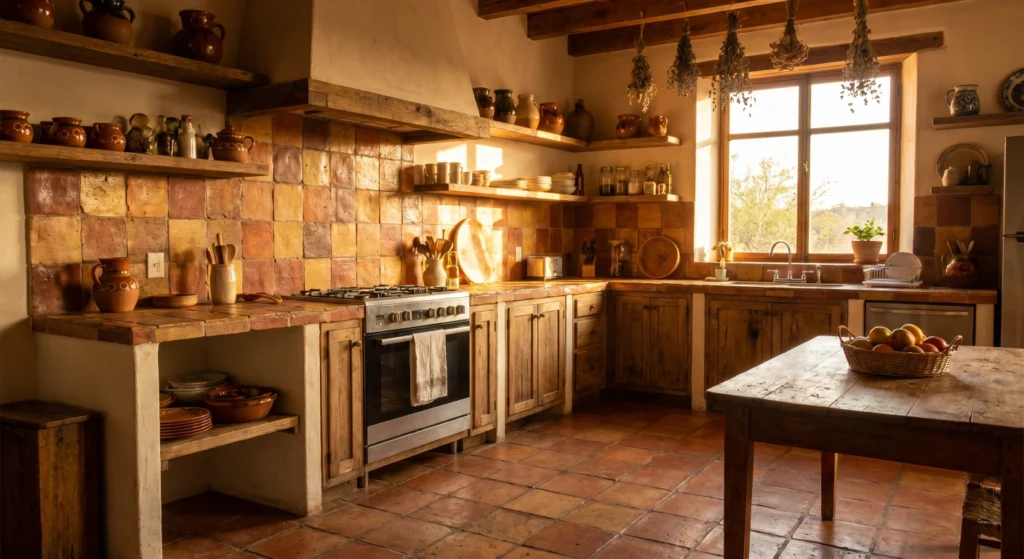
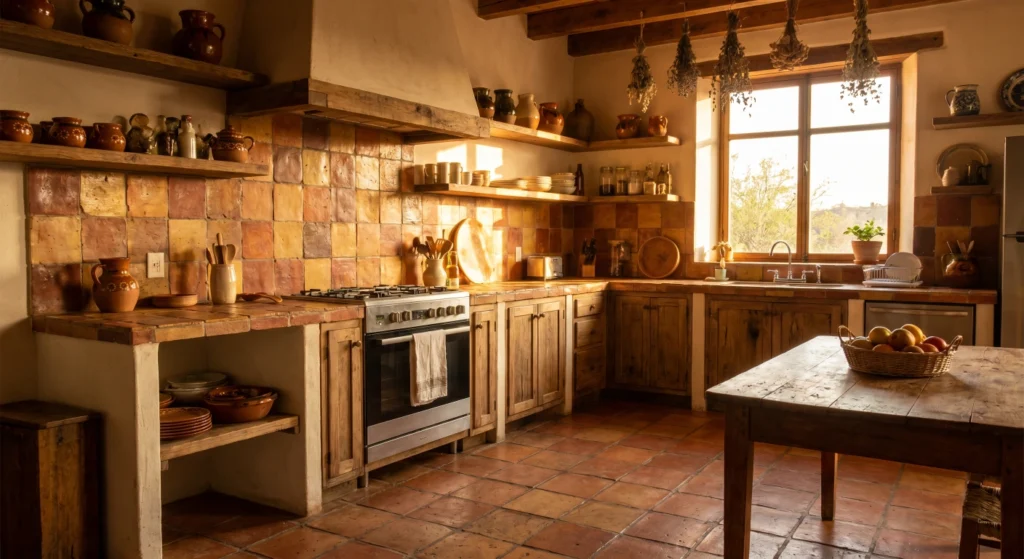
Terracotta and Saltillo floor tiles — their large, generously proportioned forms in warm russet, honey amber, and earthy orange tones providing the organic kitchen floor with a surface of extraordinary natural warmth and genuine material authenticity that connects the contemporary cooking space directly to centuries of Mediterranean and Mexican architectural tradition where fired clay tiles have served as the most beautiful and most climatically appropriate kitchen floor material across generations of domestic culinary life — create a kitchen floor of such immediate, visceral warmth and natural material presence that every barefoot morning walk across their slightly textured surface delivers a genuinely grounding, sensory-rich connection to the earth and the ancient human tradition of cooking on clay that no manufactured floor surface can replicate regardless of its visual resemblance to natural terracotta. Terracotta floors feel alive in a way that no ceramic or porcelain alternative achieves.
The practical management of a terracotta or Saltillo tile kitchen floor requires understanding and embracing the material’s inherent natural characteristics — its slight porosity requiring appropriate penetrating sealer application to prevent oil and liquid absorption, its dimensional variation requiring careful installation by a tile setter experienced with natural clay tiles whose slight thickness and size differences demand the hand-crafted approach that machine-manufactured tiles never require. Accepting and celebrating the natural variation between individual terracotta tiles — their color differences, slight dimensional irregularities, and surface texture variations — as expressions of genuine material authenticity rather than manufacturing defects requiring correction transforms the installation process from a quest for uniformity into an appreciation of natural material variety that makes the finished organic kitchen floor genuinely beautiful in a way that perfectly consistent machine-made tiles can never quite achieve despite their technical precision and production reliability.
10. Wooden Ceiling Beams and Plaster Finish
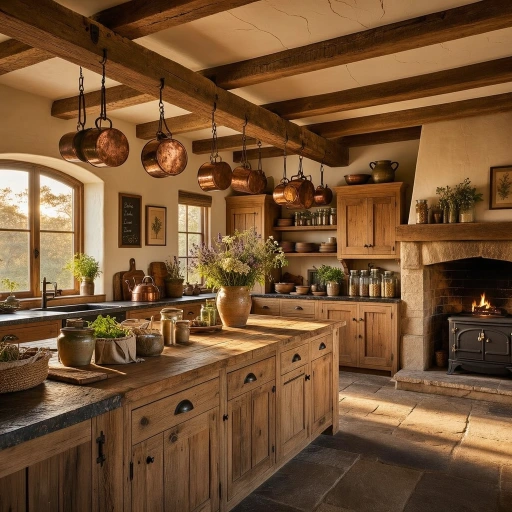
Exposed wooden ceiling beams combined with warm white plaster between — their dark, rough-hewn or hand-adzed timber surfaces contrasting with the smooth, slightly organic plaster ceiling surface in a material dialogue of extraordinary visual warmth and architectural authenticity that creates an overhead composition of genuinely beautiful rustic character — provide the organic kitchen with its most dramatically transformative architectural element, filling the room’s overhead plane with the natural material presence and historical depth of genuine structural timber that connects the contemporary organic kitchen to the long tradition of the farmhouse kitchen where exposed structural beams were not a designed aesthetic choice but an honest expression of vernacular building craft and the functional beauty of materials used with intelligent simplicity and genuine structural purpose. Visible timber structure overhead changes everything about how a room feels.
Original reclaimed timber beams of appropriate dimension and natural character — sourced from demolished agricultural buildings, old mills, and specialist architectural salvage merchants who can provide genuine provenance and appropriate species identification — provide the organic kitchen ceiling with structural elements of irreplaceable material authenticity and visual character that newly cut timber beams, however carefully selected and naturally finished, cannot possess without the accumulated patina of genuine age, previous use, and the particular quality of color depth that only decades of exposure to light, air, and the warmth of a working kitchen develops in structural timber. Hanging vintage copper pots, dried herb bundles, and artisan iron cooking implements from iron hooks fixed to the exposed beams creates a functional kitchen storage solution of considerable rustic visual beauty that makes the kitchen ceiling the room’s most characterized and most personally expressive surface — a lived-in overhead display of cooking culture and domestic abundance that tells the story of a kitchen genuinely, passionately used for the serious, joyful, daily business of nourishing the people who matter most.
11. Integrated Herb Garden Window
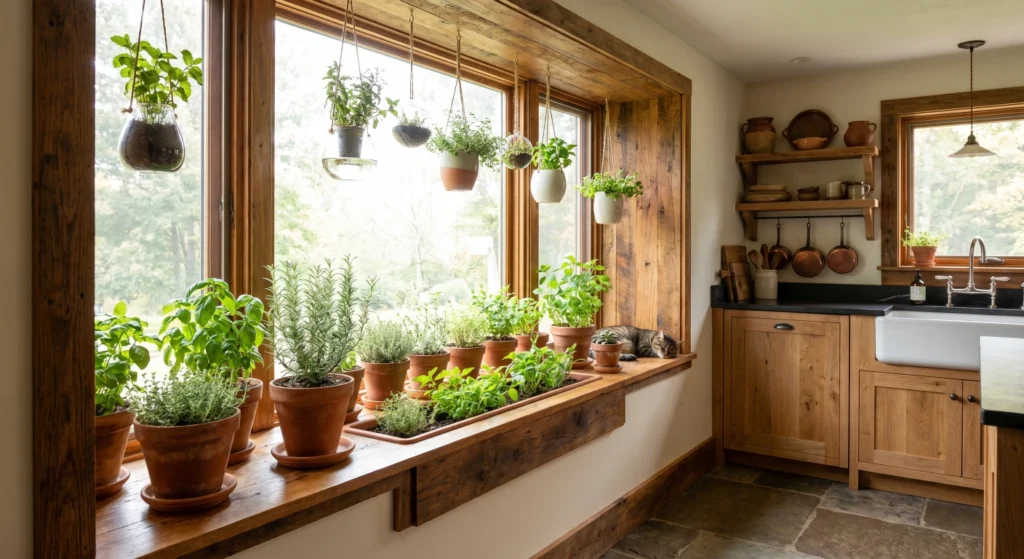
An integrated herb garden at the kitchen window — terracotta pots of living basil, rosemary, thyme, mint, parsley, and chives arranged across a deep wooden windowsill in the most productive position in the organic kitchen, their fragrant green growth filling the cooking space with living botanical presence and the genuinely irreplaceable sensory pleasure of fresh herbs available for harvest within arm’s reach of the cooking range throughout the entire growing season — creates the organic kitchen’s most intimate and most functionally valuable connection between growing food and cooking it, embodying the central philosophy of organic kitchen design that cooking and nature should exist in the closest possible relationship rather than the completely separate, industrially mediated relationship between garden and supermarket shelf and kitchen that conventional modern food culture enforces as the standard domestic arrangement. Fresh herbs grown at the kitchen window change both what you cook and how it tastes.
The deep windowsill herb garden works most successfully in organic kitchens with south or west-facing windows that receive the minimum four to six hours of direct sunlight that most culinary herbs require for genuine productive growth rather than merely decorative survival — basil and thyme being the most light-demanding, mint and parsley the most tolerant of partial shade conditions that might characterize less favorably oriented kitchen windows. Choosing terracotta pots of appropriate size for each herb species — generous twelve centimeter pots for individual basil plants that need root volume to support abundant leaf production, smaller eight centimeter pots for compact thyme and chives — and grouping them in a visually coherent arrangement that considers both the practical accessibility of each herb during cooking and the aesthetic quality of the overall windowsill composition creates an organic kitchen herb display of genuine beauty and extraordinary daily culinary value that rewards the minimal maintenance investment of regular watering and occasional harvesting with continuous fresh herb abundance throughout the cooking year.
12. Beeswax and Oil Finished Wood Countertop
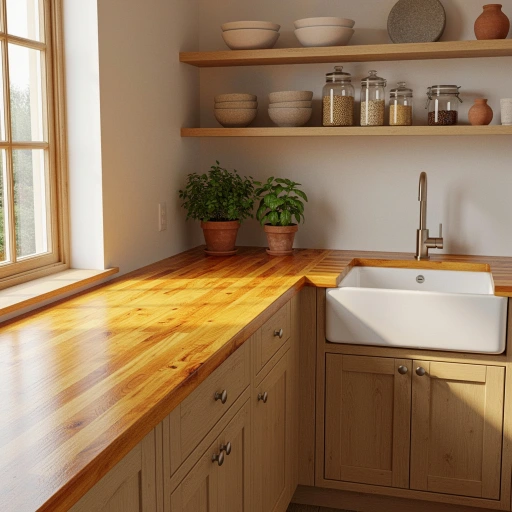
A thick butcher block or solid wood slab countertop finished with natural beeswax and linseed oil rather than synthetic polyurethane varnish — its warm, matte, genuinely tactile surface providing the most sensuously beautiful and most organically authentic kitchen work surface available, its beeswax finish releasing a subtle honey and warm wax fragrance that enriches the kitchen’s olfactory atmosphere with the most natural and most kitchen-appropriate scent imaginable — creates an organic kitchen work surface of extraordinary material beauty and genuine daily tactile pleasure that stone, ceramic, and composite countertops, however visually beautiful, entirely lack in terms of the warm, giving quality of real wood under the hands during the physical work of chopping, kneading, and preparing food with direct material contact between cook and cooking surface. Wood countertops invite active cooking in a way that cold stone surfaces resist.
The care and maintenance of a beeswax-finished wood kitchen countertop requires a relationship of genuine material stewardship that the organic kitchen’s philosophy of engaged, attentive domestic life naturally supports and genuinely celebrates — regular reapplication of a warm beeswax and linseed oil mixture using a soft cloth to maintain the wood’s moisture content and surface protection, prompt wiping of water and food spills to prevent excessive moisture penetration, and the patient acceptance of the knife marks, surface patination, and slight darkening around the sink area that honest daily kitchen use gradually inscribes into the wood’s living surface as evidence of genuine culinary engagement and the beautiful marking of a kitchen surface that is properly, joyfully, deliberately used for its intended purpose rather than treated as a precious object requiring protection from the very activities it was designed to serve.
13. Copper Cookware Display
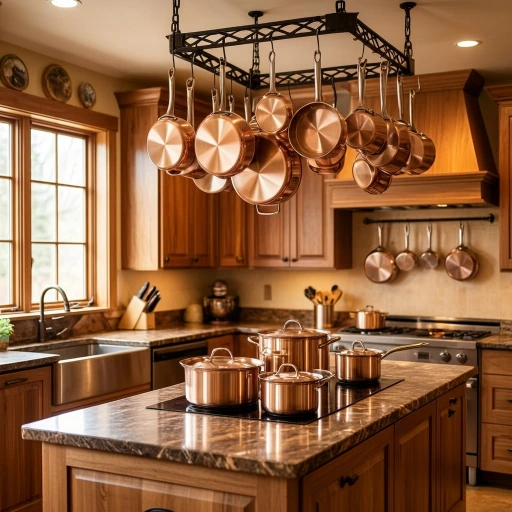
A displayed copper cookware collection — saucepans, sauté pans, stockpots, and roasting dishes in warm, gleaming copper hung from a ceiling-mounted pot rack above the kitchen island or arranged on open shelving beside the cooking range — brings to the organic kitchen the most visually spectacular and most materially distinctive kitchen accessory statement available, their extraordinary warm reddish-gold surfaces reflecting both natural and artificial kitchen light with an animated, warm luminosity that creates a living, shifting lighting quality throughout the kitchen interior that no other displayed kitchen object can generate. Copper cookware is simultaneously the most beautiful and the most functionally superior cooking material available — its thermal conductivity exceeding that of all other common kitchen metals by a significant margin, making it the professional and serious home cook’s most valued kitchen tool.
The progressive patination of copper cookware through regular use and exposure to kitchen heat creates an evolving surface character of considerable organic beauty — freshly polished copper displaying its characteristic bright reddish gold, while gently aged copper develops the warmer, more complex amber and rose tones that distinguish genuinely used copper from newly acquired pieces, and the green and blue verdigris that appears on copper surfaces exposed to steam and atmospheric moisture adds a further layer of natural color complexity that the organic kitchen’s aesthetic philosophy celebrates as genuine material aging rather than deterioration requiring correction. Maintaining copper cookware with regular polishing using traditional copper cleaning preparations — lemon juice and salt, commercial copper polish, or dedicated copper care products — keeps the collection in the warm, glowing condition that makes it such a spectacular visual feature of the organic kitchen while preserving the cookware’s functional excellence for the serious cooking activity that the organic kitchen’s food-focused philosophy places at the very center of daily domestic life.
14. Organic Curved Kitchen Island
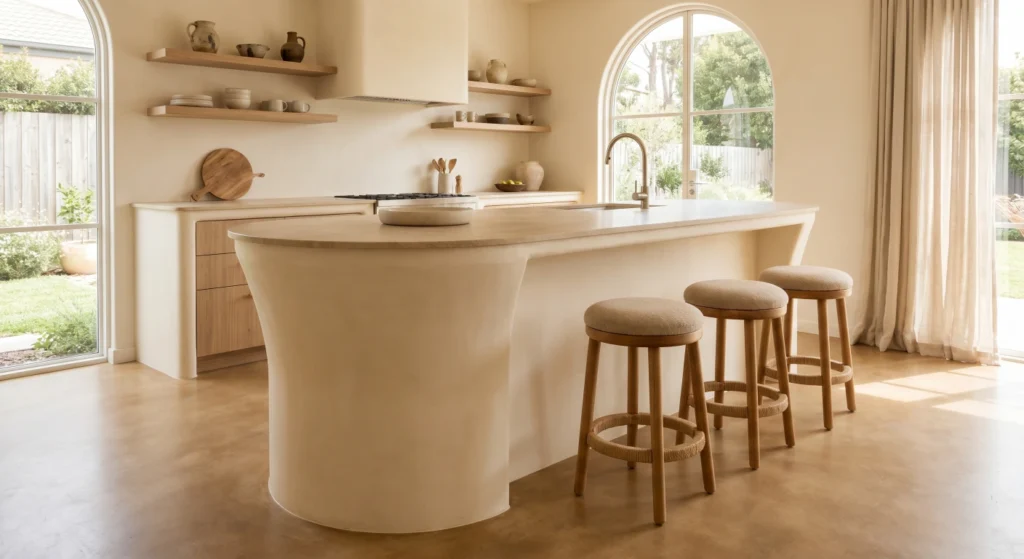
An organic curved kitchen island — its smooth, freeform silhouette departing from the rectangular rectilinearity of conventional kitchen island design to describe a gentle, asymmetric curve of body-conscious, spatially generous form that invites gathering, casual conversation, and the kind of relaxed, multi-person kitchen inhabitation that the organic kitchen’s philosophy of food, community, and shared domestic life most deeply values — brings to the organic kitchen both its most architecturally distinctive individual design element and its most powerful spatial contributor to the warm, welcoming, genuinely habitable kitchen atmosphere that distinguishes truly beloved family kitchens from merely functional food preparation spaces. The curved island creates a kitchen centerpiece of such sculptural originality and spatial generosity that it transforms the room’s entire social dynamic.
Constructing a curved organic kitchen island in smooth, hand-troweled plaster with an integral stone or thick wood countertop creates a kitchen centerpiece of extraordinary sculptural unity — the plaster base forming a seamless transition from floor to countertop edge without the conventional cabinet door and drawer construction that gives rectangular island bases their characteristic furniture-like quality, the organic island instead feeling more like a piece of architectural landscape than a piece of furniture. Finishing the curved plaster island base in a warm clay or limewash treatment that complements the surrounding kitchen wall finish creates a spatial composition of remarkable material coherence — the island appearing to grow organically from the kitchen floor as a natural geological formation rather than being constructed and installed as a separate furniture element, achieving the complete, seamless organic interior quality that the most beautifully realized organic kitchen designs aspire to throughout every element of their holistic, nature-connected aesthetic vision.
15. Woven Pendant Lights Above Island
Woven rattan, seagrass, or bamboo pendant lights hanging in a carefully composed cluster above the organic kitchen island — their natural fiber construction filtering warm bulb light through hundreds of tiny woven interstices to cast intricate, organic shadow patterns across the kitchen ceiling and walls that animate the cooking and gathering space with a continuously shifting, softly geometric light display of extraordinary atmospheric beauty — provide the organic kitchen with its most characterful and most genuinely natural lighting feature, combining functional task illumination above the primary kitchen work and gathering surface with a decorative ceiling element of artisanal craft beauty and warm natural material presence that no conventional glass or metal pendant fitting can approach in terms of organic warmth, handmade authenticity, and the particular quality of gently diffused, shadow-creating natural material light that woven pendant shades uniquely provide. Natural fiber pendants make the kitchen ceiling an active participant in the room’s warm atmospheric character.
Selecting woven pendant shades for the organic kitchen island requires attention to both the scale relationship between pendant size and island dimensions and the specific weave pattern and natural fiber tone that will create the most harmonious relationship with the kitchen’s overall material palette — large, generously proportioned pendants in open-weave rattan with a warm honey tone complementing the warm wood cabinetry and terracotta accessory palette of the earthy organic kitchen with particular beauty, while more tightly woven seagrass pendants in a cooler natural tone provide a softer, more diffused light quality suited to organic kitchens with a paler, more restrained earth tone palette. Hanging pendant clusters at varying heights — rather than a uniform row at identical elevation — creates a more dynamic, more visually interesting ceiling composition that references the natural variety and organic irregularity that the organic kitchen aesthetic celebrates throughout every material and decorative choice in the room’s carefully considered, warmly earthy, genuinely natural interior design.
16. Natural Clay and Adobe Plaster Walls
Natural clay and adobe plaster kitchen walls — their warm, sandy, subtly hand-worked surfaces communicating the genuine material reality of earth mixed with sand and natural fiber and applied by skilled hands using traditional plastering techniques that have served domestic interiors across multiple continents for thousands of years — provide the organic kitchen with a wall finish of such profound natural material authenticity and such immediate atmospheric warmth that they transform the cooking space from a conventionally finished room into something approaching the experience of inhabiting a beautifully crafted earth building — warm, sheltered, deeply connected to the geological and biological world of living soil, and possessed of the particular quality of thick, organic walls that create interior environments of extraordinary thermal stability, natural acoustic comfort, and genuinely grounding material presence. Clay plaster walls make the kitchen feel rooted in the earth itself.
The application of natural clay plaster to organic kitchen walls by a skilled natural plasterer creates surfaces of remarkable individual beauty that reward close examination with the discovery of the plasterer’s hand marks, trowel tracks, and the subtle color variations produced by slight differences in clay content and mineral pigment distribution across the plastered surface — each area of the wall genuinely unique in its precise surface character while contributing to an overall composition of warm, unified earthen tone that makes the kitchen interior feel complete, settled, and naturally finished in the most authentic and most materially honest sense available to contemporary kitchen design. Protecting clay plaster kitchen walls with a natural casein or beeswax-based sealer provides adequate moisture resistance for normal kitchen splashing and condensation while maintaining the plaster’s characteristic matte, breathable surface that distinguishes it from synthetic alternatives and preserves the natural material beauty that makes clay plastered organic kitchen walls among the most beautiful and most genuinely earthy of all domestic interior surfaces available to the environmentally conscious, aesthetically ambitious contemporary homeowner.
17. Stone Mortar and Pestle as Kitchen Art
A large natural stone mortar and pestle — its rough-hewn granite, volcanic basalt, or dense limestone body communicating the geological weight and material permanence of genuine stone in the most directly useful and most kitchen-appropriate form imaginable — occupies the organic kitchen counter not merely as a functional spice-grinding tool of ancient and universal culinary tradition but as a piece of genuine natural stone sculpture whose organic form, tactile surface, and geological material presence makes it the most honest and most naturally beautiful decorative object in the entire kitchen, its weight and solidity anchoring the counter surface with a quality of geological permanence that no lighter kitchen accessory, however beautifully designed, can provide. The stone mortar and pestle is the organic kitchen’s most primal and most genuinely beautiful cooking tool.
The culinary superiority of stone mortar grinding over electric food processing for the production of genuinely fragrant spice pastes, freshly ground pepper, pesto, and the full range of spice blends that form the foundation of the organic kitchen’s flavor philosophy has been understood by cooks across every major culinary tradition for thousands of years — the crushing and tearing action of stone against stone releasing volatile aromatic compounds from spice cells with a completeness and warmth that electric blade cutting simply cannot replicate, producing freshly ground spice pastes and powders of extraordinary flavor depth and fragrance that transform the quality of organic kitchen cooking with the same profound effect that genuinely fresh, organically grown produce achieves over industrial supermarket alternatives. Positioning the stone mortar and pestle in a prominent location on the organic kitchen counter — surrounded by bundles of dried herbs, a small terracotta pot of sea salt, and a wooden spoon worn smooth by years of use — creates the most complete and most beautifully composed organic kitchen counter vignette of genuine culinary authenticity and natural material beauty.
18. Handmade Ceramic Knobs and Pulls
Handmade ceramic cabinet knobs and pulls — their slightly irregular, individually thrown or hand-pressed forms glazed in the warm earth tones of the organic kitchen’s characteristic color palette, each piece genuinely unique in its precise shape, glaze quality, and surface character in the way that only genuinely hand-made ceramic objects can be — bring to the organic kitchen cabinetry the most intimate and most tactilely personal layer of artisanal natural material detail, transforming every cabinet opening into a small daily encounter with genuine handmade ceramic beauty that mass-produced hardware, however carefully designed, simply cannot provide in terms of the irreplaceable quality of individual human making that is felt in the hand’s contact with a truly hand-thrown ceramic form. Handmade ceramic hardware turns every kitchen interaction into a tactile experience of genuine craft.
Sourcing handmade ceramic cabinet hardware from independent ceramic artists — commissioning a complete set of knobs and pulls from a single potter whose work resonates with the kitchen’s specific earth tone palette and organic material philosophy, or assembling a curated collection of complementary pieces from multiple makers whose work shares aesthetic coherence across different individual ceramic approaches — creates a cabinet hardware collection of genuine artisanal authenticity and considerable personal meaning that communicates the organic kitchen inhabitant’s commitment to supporting independent craft makers and the living tradition of ceramic art with every daily act of opening a cabinet door. The warm terracottas, ash grays, cream whites, and deep iron-spotted glazes most characteristic of the earthy organic kitchen ceramic aesthetic complement natural wood cabinet doors, warm stone countertops, and unlacquered brass fixtures with an instinctive material harmony that confirms the organic kitchen’s most fundamental design conviction: that genuinely beautiful domestic spaces are built from the accumulated beauty of individually chosen, genuinely natural, genuinely handmade objects selected with patience, care, and authentic love of the materials from which the most meaningful and most enduringly beautiful kitchens are made.