17 Organic Modern Exterior Ideas with Rustic Charm
1. Warm Stucco Exterior with Timber Accents
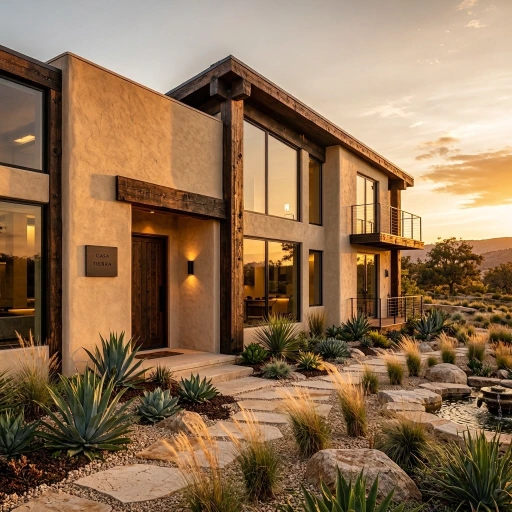
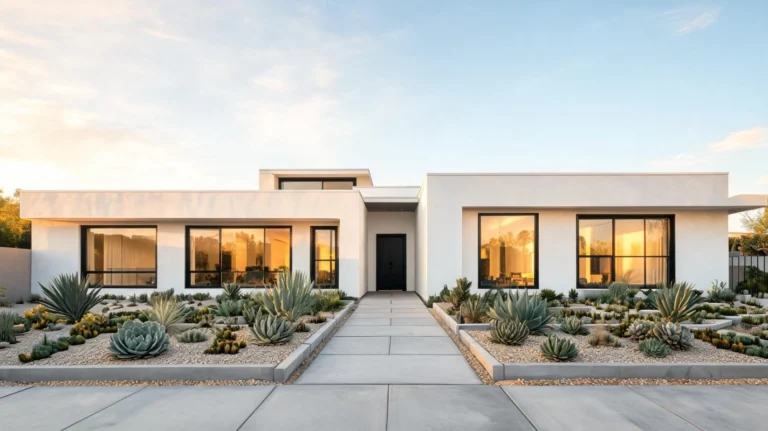
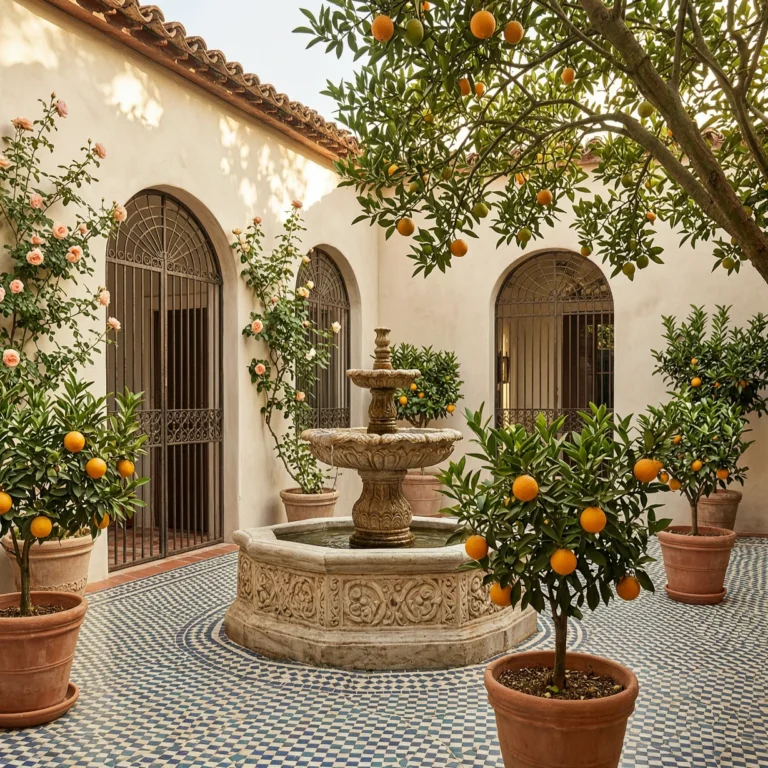
Warm sand or ochre-toned stucco walls combined with dark timber beam accents — exposed wooden structural members projecting from the stucco surface at the roofline, above window openings, and at entry portico positions — create the most authentically organic modern and genuinely warm exterior combination available, establishing the home’s material identity with the dual language of smooth mineral plaster and honest structural timber that references centuries of Southwestern, Mediterranean, and vernacular building tradition while achieving a completely contemporary architectural resolution of extraordinary visual sophistication and genuine material harmony.
The stucco color selection is the most critically important decision in the entire organic modern exterior palette — the specific warm undertone of a good organic modern stucco must read as genuinely earthy and sun-baked rather than commercially neutral or visually cold, requiring careful selection of pigmented lime plaster or colored stucco mixes that contain genuine yellow, ochre, or pink undertone rather than the grey or white undertone of conventional residential stucco formulations. Test stucco color samples at large scale on the actual building surface under natural sunlight conditions before committing to the full application, because stucco colors shift significantly in appearance between small sample chips viewed indoors and large exterior wall areas viewed in natural light — a color that appears acceptably warm on a small sample may reveal unwanted grey undertones at full exterior scale.
2. Black Steel Frame Windows on Natural Stone
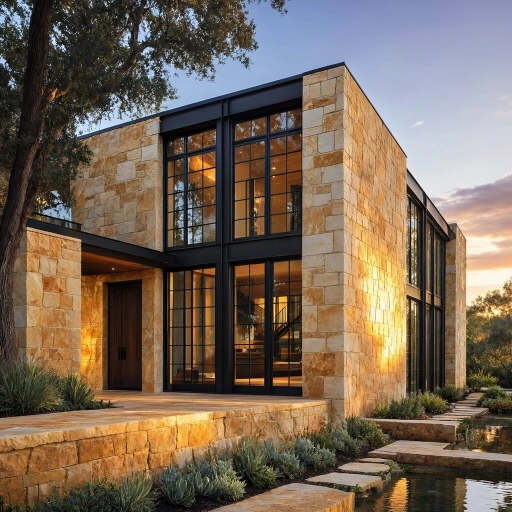
Large-format black steel frame windows with their characteristic industrial precision and graphic grid pattern — mounted within walls of natural limestone, sandstone, or fieldstone masonry in warm honey and amber tones — create the most visually compelling and architecturally sophisticated material contrast available for the organic modern exterior, the cold industrial precision of the black steel frame creating an essential visual tension against the warm, organic, geologically authentic quality of genuine natural stone that defines the organic modern aesthetic at its most intellectually resolved and genuinely beautiful.
The natural stone selection for walls containing black steel windows requires careful attention to the color and texture relationship between stone and frame — warm honey limestone with its characteristic amber and cream color range creates a warmer, more Mediterranean quality in combination with black steel frames, while cooler grey fieldstone or slate creates a more dramatic, high-contrast Nordic-influenced aesthetic of equal visual power but distinctly different atmospheric character. The masonry joint profile and color also significantly affects the overall wall appearance — a recessed joint that emphasizes the individual stone faces creates more shadow and depth than a flush joint, making the stone wall appear more three-dimensional and texturally rich in photographs and in person.
3. Living Roof and Green Wall Exterior
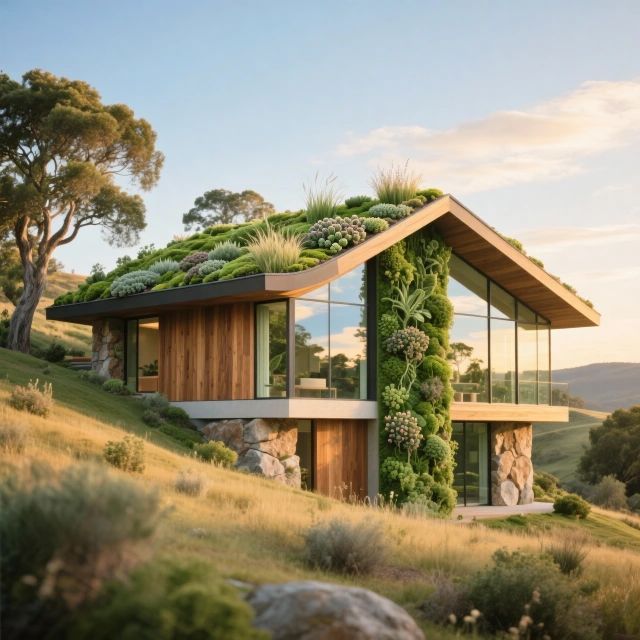
A living roof covered with drought-tolerant sedums, native grasses, and low-growing wildflowers — combined with a vertical green wall panel on the primary facade that creates a continuously living surface of genuine botanical beauty and extraordinary environmental performance — creates the most dramatically biophilic and genuinely landscape-integrated organic modern home exterior available, dissolving the boundary between the built structure and the surrounding natural environment with biological authenticity rather than purely cosmetic plant placement that maintains a clear visual distinction between architecture and nature. The living roof transforms the fifth facade of the building into a genuine extension of the ground plane.
The technical requirements of living roof and green wall systems in the organic modern exterior context require careful engineering collaboration between the landscape designer and structural engineer to ensure adequate structural capacity for the saturated growing medium weight, proper waterproofing membrane systems beneath all planted areas, and drainage layer configurations that prevent waterlogging while maintaining sufficient soil moisture for sustained healthy plant growth. Select plant species for both the roof and wall systems with rigorous attention to the specific climatic conditions of the building site — drought-tolerant sedums and native plant species appropriate to the regional ecology create far more resilient and maintenance-efficient living roof and wall systems than non-native ornamental species requiring supplemental irrigation and intensive horticultural maintenance.
4. Board and Batten Siding with Natural Wood Stain
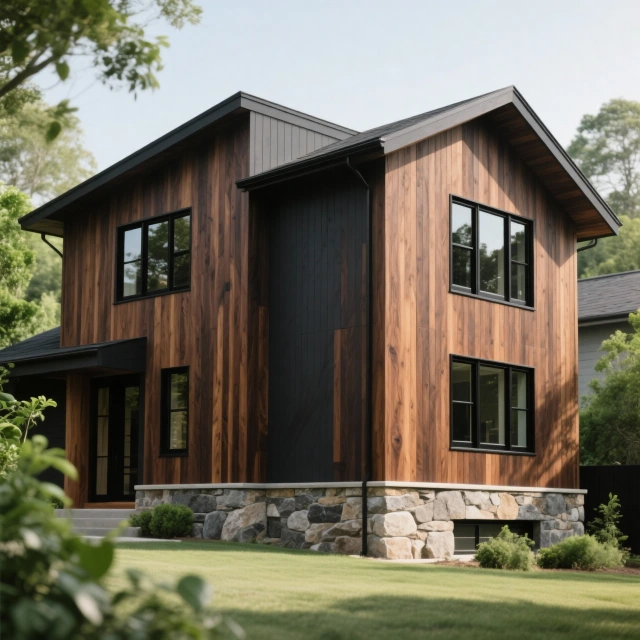
Board and batten vertical siding — its characteristic alternating wide flat boards and narrow raised batten strips creating a rhythmic vertical pattern of light and shadow across the exterior wall surface that references American vernacular agricultural building traditions with genuine historical authenticity — stained in a warm natural timber tone that reveals and celebrates the underlying wood grain while deepening the color to a rich charcoal, warm espresso, or natural cedar tone, creates one of the most architecturally honest and genuinely organic modern exterior cladding treatments available, combining the organic warmth and natural texture of real wood with the clean, contemporary graphic quality of the vertical board and batten pattern.
Natural wood stain rather than opaque paint is the specific finish treatment that most powerfully establishes the organic modern identity of board and batten exterior siding — the transparency of quality exterior wood stain allows the natural grain pattern, knot formations, and inherent color variation of the individual boards to remain visible through the stain color, creating a wall surface of genuine organic complexity and natural material authenticity that opaque painted finishes entirely eliminate. Select a penetrating oil-based or water-based exterior wood stain with UV inhibitors and fungal resistance properties appropriate to the specific wood species and regional climate of the building location, and plan for periodic reapplication every three to five years as the natural weathering process gradually bleaches and greys untreated wood surfaces.
5. Rammed Earth Walls with Modern Windows
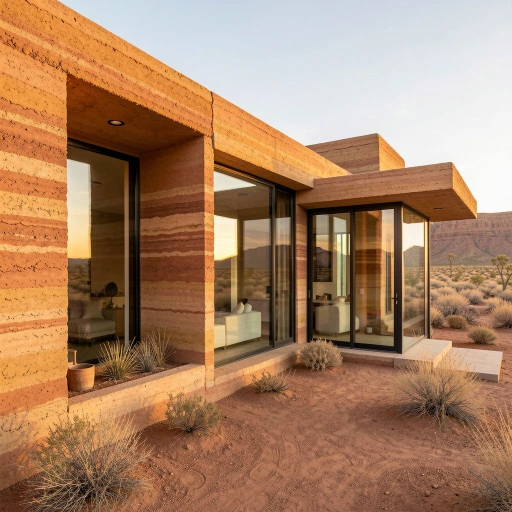
Rammed earth exterior walls — their compressed, stratified layers of different colored soils creating a surface of extraordinary natural color variation and geological authenticity that directly references the stratified cliff faces and canyon walls of desert landscapes — combined with large, precisely dimensioned modern window openings create the most genuinely landscape-integrated and materially authentic organic modern exterior available, a building material of such direct natural origin and such compelling visual beauty that it transcends conventional architectural cladding to become a genuinely geological expression of place-specific building that only the most exceptional natural stone masonry can approach in terms of authentic material and environmental integration.
The structural and technical requirements of genuine rammed earth exterior construction demand specialized contractors with specific rammed earth experience — the formwork assembly, soil mix engineering, compaction process, and moisture management during curing all require knowledge and skill that general construction contractors typically lack and that significantly affects the structural integrity and long-term performance of the completed rammed earth wall. The soil mix must be carefully engineered to the correct proportion of clay, silt, sand, and gravel for maximum compressive strength after compaction and curing, and a quality stabilizing agent — typically a small percentage of Portland cement — is usually incorporated to enhance the material’s resistance to rain erosion and freeze-thaw weathering in climates subject to significant precipitation or temperature cycling.
6. Weathered Cedar Cladding with Stone Base
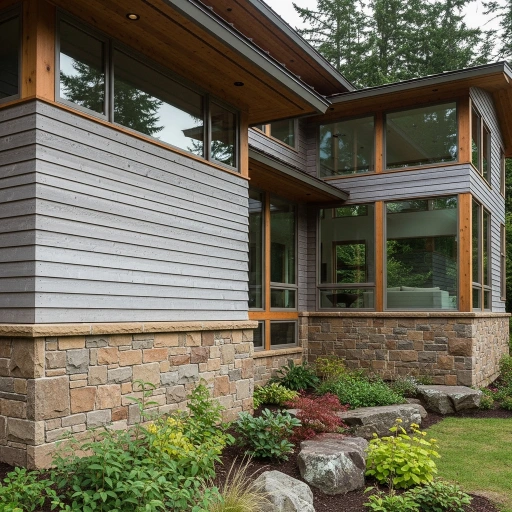
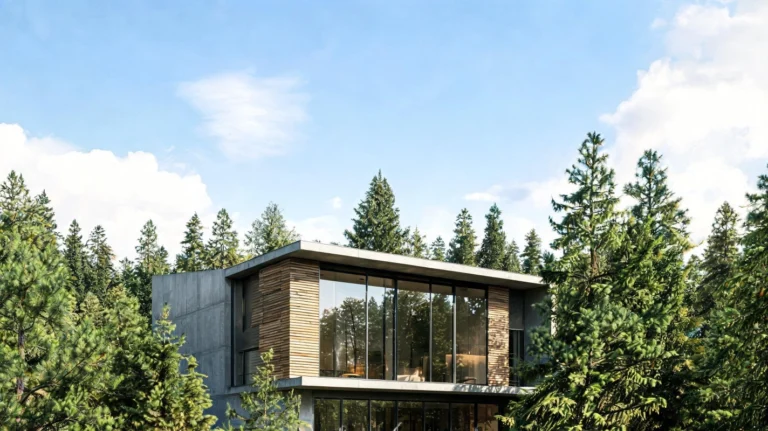
Weathered silver cedar horizontal cladding above a natural fieldstone or river rock base course creates one of the most genuinely organic and landscape-integrated exterior material combinations available for the organic modern home — the silver-grey weathered cedar tone developing naturally over years of exterior exposure to sun, rain, and coastal air into a color of extraordinary subtle beauty that harmonizes with overcast skies, coastal vegetation, and Pacific Northwest or New England woodland settings with a quality of natural environmental belonging that no applied exterior finish can fully replicate. The stone base grounds the weathered timber above with geological permanence and material contrast of considerable visual sophistication.
The weathering process of untreated cedar cladding requires patient acceptance of the temporal dimension of organic building materials — freshly installed cedar begins its journey as a warm, honeyed amber tone before gradually greying through pale blonde toward the characteristic silver-grey of fully weathered cedar over a period of two to three years of outdoor exposure, passing through several intermediate tones during the transition that may appear uneven or blotchy during the active weathering phase before reaching the uniform silver-grey of fully stabilized natural weathering. Homeowners desiring more immediate and controlled aesthetic results can apply a quality silver-grey cedar stain that compresses the weathering timeline while maintaining the transparent, grain-revealing character of the natural material.
7. Organic Modern Farmhouse with Metal Roof
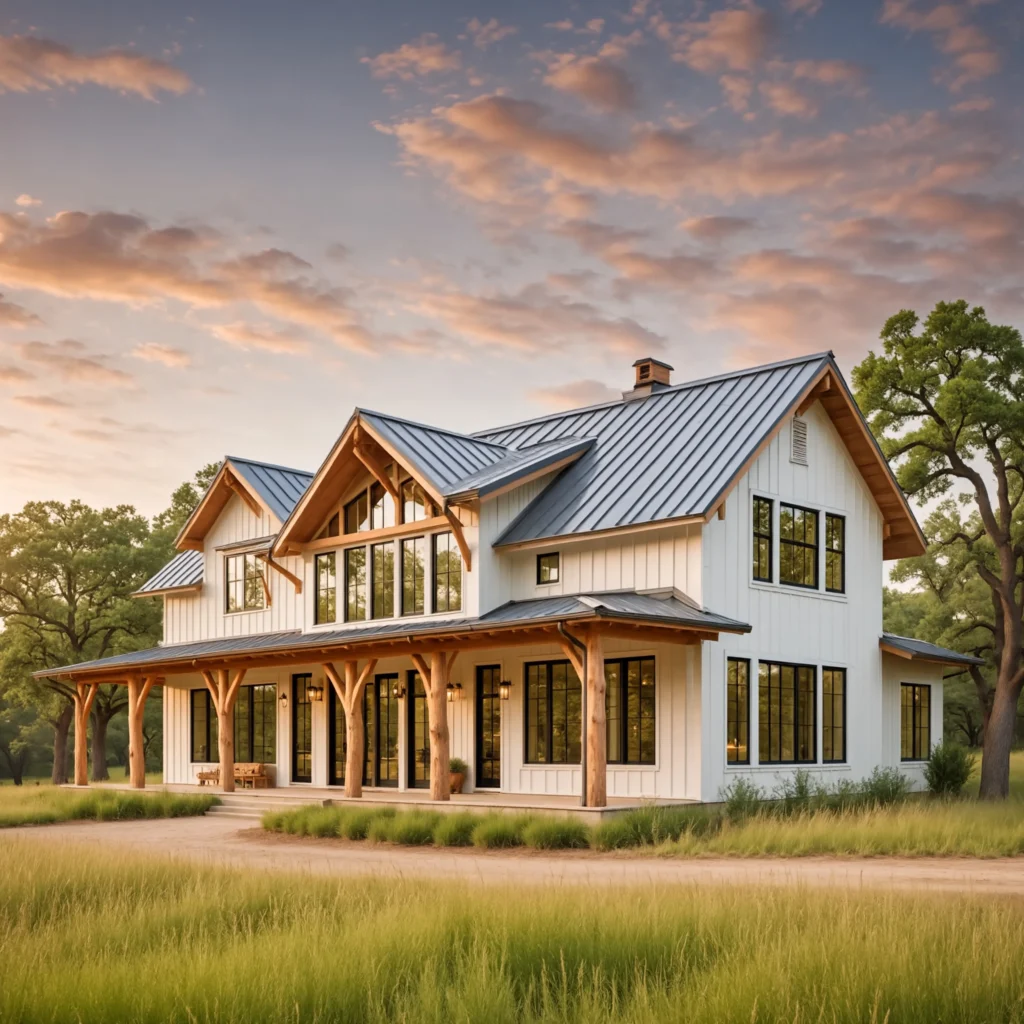
A standing seam metal roof in weathered zinc, dark charcoal, or warm Corten brown — its precise, rhythmically spaced raised seams creating a clean geometric pattern across the roof surface that references the agricultural building tradition of the American countryside with direct material authenticity — combined with warm stucco or board and batten walls and a covered porch supported by heavy timber columns creates the most complete and architecturally resolved organic modern farmhouse exterior available, a home that simultaneously belongs to the agricultural landscape tradition of its regional setting and expresses a completely contemporary design intelligence in its proportions, material quality, and considered formal composition.
The metal roof color selection significantly determines the overall exterior color composition and the personality of the organic modern farmhouse aesthetic — a weathered zinc tone with its characteristic blue-grey patina creates a cooler, more Nordic and sophisticated aesthetic that suits grey-tone exterior wall finishes and silver-weathered wood accents with particular harmony, while a dark charcoal or matte black standing seam roof creates a more dramatic, contemporary farmhouse statement that contrasts powerfully with warm stucco or natural wood wall cladding, and a Corten or weathering steel brown tone creates the most organically warm and rustic aesthetic that harmonizes most naturally with terracotta, ochre, and earth-toned exterior wall palettes.
8. Curved Organic Plaster Exterior Forms
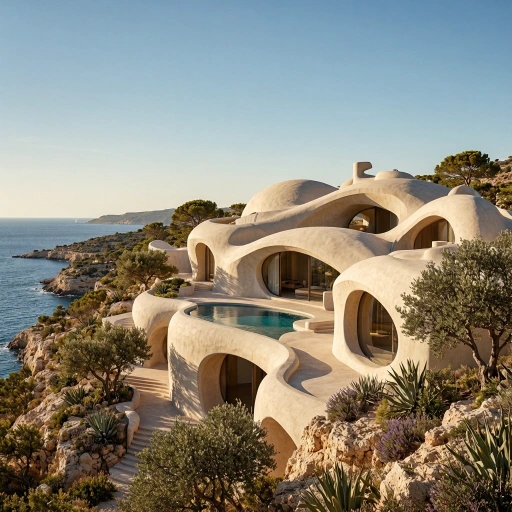
A home exterior designed with deliberately curved, biomorphic wall forms — its exterior plaster surfaces flowing continuously from the ground plane upward through gently rounded wall corners, barrel vault roof profiles, and softly arched window reveals without the angular precision of conventional rectangular construction — creates one of the most genuinely organic and sculpturally extraordinary exterior design approaches available, a building that achieves the specific quality of appearing to have grown from the earth rather than been constructed upon it through the fundamental formal decision to eliminate all sharp angles and right angles from the exterior massing in favor of the continuous curved surfaces found in natural geological formations, eroded earth banks, and the organic forms of biological organisms.
The construction of genuinely curved exterior plaster walls requires either specialized formwork systems that create the desired curves in concrete or masonry structural systems, or the use of earthen construction techniques including adobe block, cob, or sprayed foam substrate systems that more readily accommodate curved forms than conventional timber or steel stud framing. Lime plaster or natural clay plaster applied over the structural substrate creates the continuous, seamless curved surface that defines the organic plaster exterior aesthetic — the plaster must be applied in multiple hand-troweled coats with each successive coat smoothing and refining the curves established in earlier coats until the final surface achieves the desired combination of smooth continuity and gentle organic imperfection that characterizes genuinely handcrafted plaster forms.
9. Natural Stone Entry Pathway and Landscaping
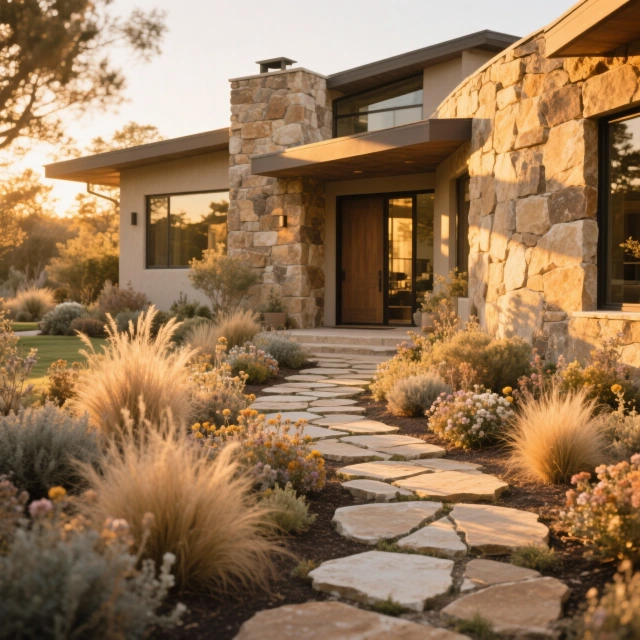
A natural flagstone entry pathway — irregularly shaped limestone, bluestone, or sandstone pavers set in a relaxed stepping stone pattern through a carefully planted native plant garden of ornamental grasses, flowering perennials, and drought-tolerant groundcovers — creates the most landscape-integrated and organically beautiful approach sequence available for the organic modern home exterior, establishing the visitor’s first experience of the home as a genuine journey through the natural planting rather than a direct march across a geometrically precise paved surface, and communicating the home’s design philosophy of organic integration with the landscape from the very first moment of arrival and approach.
The native plant selection for the organic modern entry garden is the most ecologically authentic and genuinely beautiful landscaping decision available for this design context — native grasses, wildflowers, and flowering shrubs appropriate to the specific regional ecology of the building site create a planting composition of genuine biological appropriateness that attracts native pollinators, requires minimal supplemental irrigation once established, and develops in beauty and ecological complexity with every passing growing season rather than requiring constant intervention and replacement to maintain an artificially fixed appearance. Work with a landscape designer who specializes in native plant ecology to develop a planting composition of genuine ecological integrity and genuine visual beauty simultaneously.
10. Dark Exterior with Warm Timber Porch
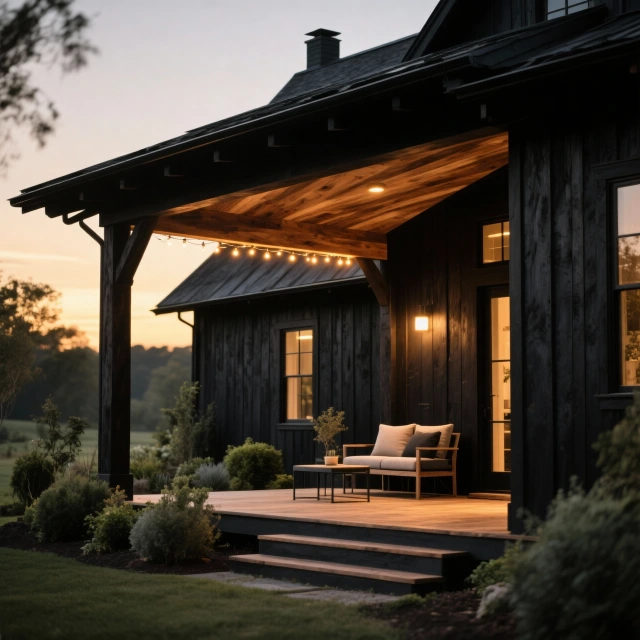
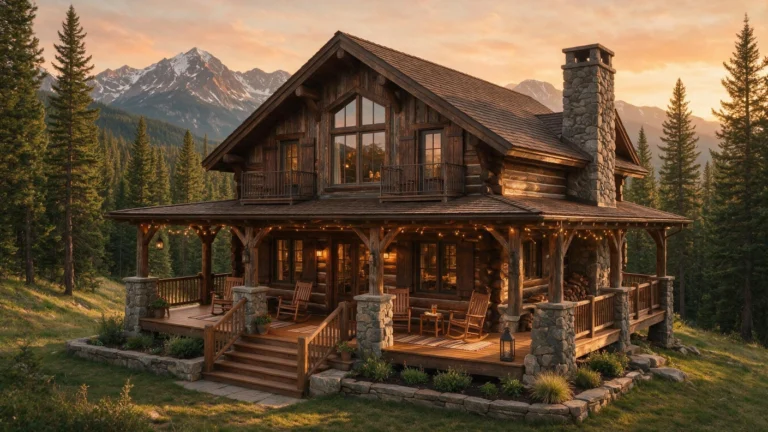
A dramatically dark exterior — deep charcoal, near-black, or forest green board and batten or horizontal wood siding — combined with a covered porch featuring a warm natural timber ceiling in tongue-and-groove pine or cedar, heavy timber support columns in natural wood tone, and warm string or pendant lighting creates the most visually striking and genuinely contemporary organic modern exterior design statement available, exploiting the extraordinary visual impact of very dark exterior wall colors against warm-toned natural timber architectural details in a contrast of considerable dramatic power and sophisticated material beauty that makes the home immediately memorable and architecturally distinctive within any residential landscape context.
The covered porch is the essential humanizing and warmth-creating element within the dark exterior organic modern aesthetic — without the warm timber porch ceiling, column details, and inviting outdoor seating area, a very dark exterior risks reading as cold, forbidding, or unwelcoming rather than dramatically sophisticated and warmly beautiful. The porch creates a sheltered transitional zone between the dark exterior and the warm interior that serves simultaneously as outdoor living space, welcoming arrival point, and the architectural element that provides essential visual warmth and human scale to the otherwise bold and potentially austere dark exterior composition. Light the porch ceiling and columns from below with warm amber-toned outdoor lighting for maximum evening warmth and genuine residential welcome.
11. Adobe Inspired Desert Modern Exterior
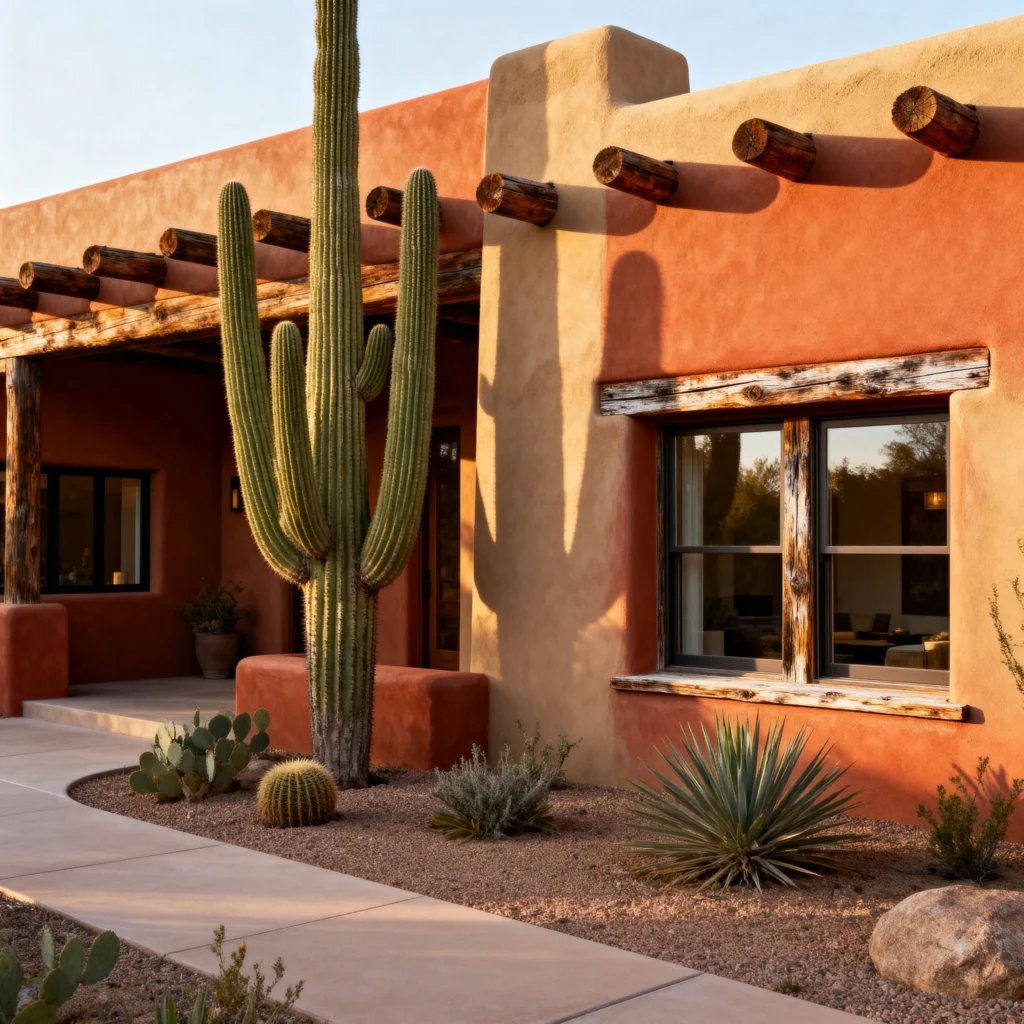
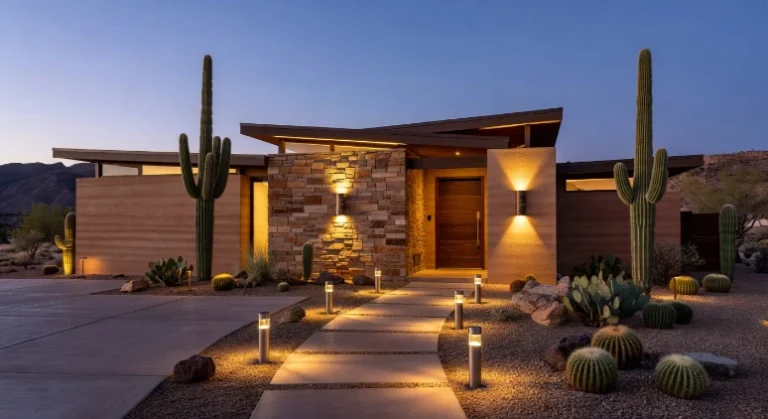
An adobe-inspired desert modern exterior — thick parapet walls in warm terracotta or sand-toned plaster with the characteristic flat roof profile and deeply recessed window reveals of traditional Pueblo and Territorial Southwestern architecture, vigas projecting through the exterior walls at the roofline in the authentic building tradition of centuries of New Mexican and Arizona desert construction, and a desert landscape planting of saguaro cacti, native agaves, palo verde trees, and desert wildflowers — creates the most regionally authentic and architecturally distinguished organic modern exterior available for desert climates and landscapes, a home of genuine place-specific identity and architectural heritage that responds to its specific environment with complete material and formal appropriateness.
The thick wall construction implied by the adobe aesthetic — whether achieved through genuine adobe block, rammed earth, insulated concrete forms, or conventional framing with thick plaster build-out — creates the deeply recessed window reveals that are the most visually distinctive and functionally significant formal element of the desert modern exterior, the window shadows providing natural shading of the glass surfaces during the highest sun angles of the desert summer while creating the characteristic play of deep shadow and bright plaster surface that makes the adobe exterior so visually compelling in the intense, raking light of desert morning and afternoon sun. Deepen window reveals to a minimum of eight inches and ideally twelve or more inches for maximum visual impact and genuine solar shading performance.
12. Reclaimed Wood Feature Wall Exterior
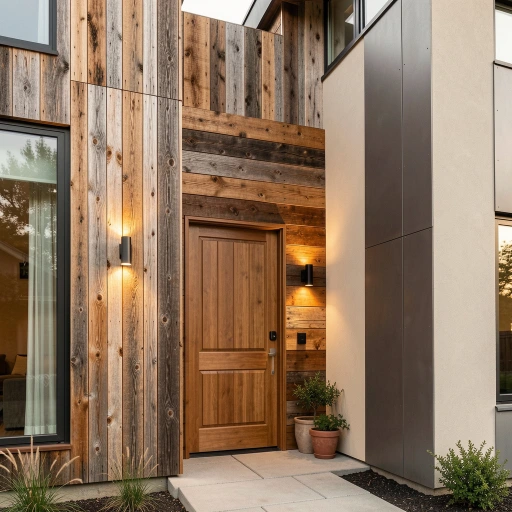
A reclaimed wood feature wall — aged, weathered barn wood boards with their authentic surface history of decades of outdoor exposure, paint layers, nail holes, and color variation from different original source buildings applied as a focused accent cladding on the primary entry wall or main facade section — creates the most genuinely rustic and materially authentic feature element available for the organic modern exterior, introducing a wall surface of extraordinary historical depth and organic material character that no new wood cladding, however expertly distressed, can replicate because genuine aged barn wood carries authentic material memory that artificial aging techniques can only imperfectly simulate.
Source reclaimed barn wood from reputable architectural salvage dealers who can provide documentation of the material’s origin and age — genuine barn wood salvaged from demolished agricultural structures carries both genuine material authenticity and the specific character of exposure history that makes it visually extraordinary, while reclaimed wood of uncertain or undocumented origin may include materials with concealed chemical treatments, insect damage, or structural compromise that create long-term performance problems in exterior wall applications. Ensure all reclaimed wood used in exterior wall applications is properly dried to appropriate moisture content, treated for any remaining insect activity, and installed with proper moisture management detailing behind the boards to prevent water infiltration and wood deterioration.
13. Butterfly Roof with Clerestory Windows
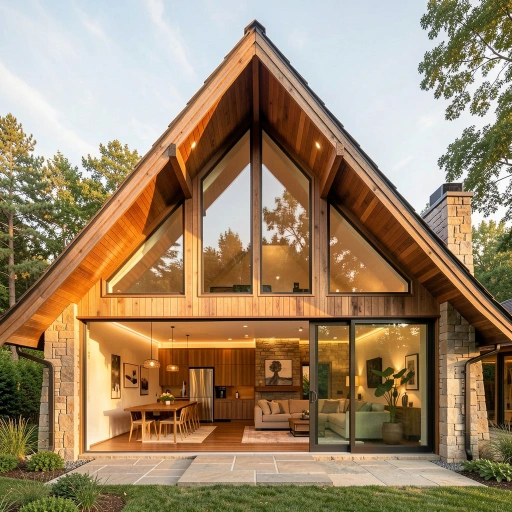
A butterfly roof — its distinctive inverted V-profile rising toward the outer edges and descending to a central valley that creates the visual impression of wings spread in flight — combined with clerestory windows positioned in the elevated outer wall zones above the roof valley creates an exterior of extraordinary architectural drama and formal originality, admitting abundant natural light into the home’s interior through the clerestory glazing while creating a roof profile of genuine sculptural interest and contemporary architectural distinction that provides complete visual contrast with the conventional gable and hip roof forms dominant in residential construction. The butterfly roof is both formally audacious and functionally inspired.
The clerestory windows positioned in the elevated wall zones above the butterfly roof valley admit natural light into the home’s interior from a high overhead angle that produces a quality of illumination quite different from standard window-level glazing — high clerestory light penetrates deeply into the interior floor plan, reaches wall and ceiling surfaces that lower windows cannot illuminate, and creates a dramatically beautiful quality of overhead natural light that references the clerestory windows of Gothic cathedrals and industrial factory buildings in the most unexpected and delightful residential design context. The butterfly roof valley also creates a natural collection point for rainwater that can be harvested in a cistern system for landscape irrigation, adding genuine environmental performance to the already compelling formal and aesthetic qualities of this extraordinary roof form.
14. Japanese Influenced Organic Modern Exterior
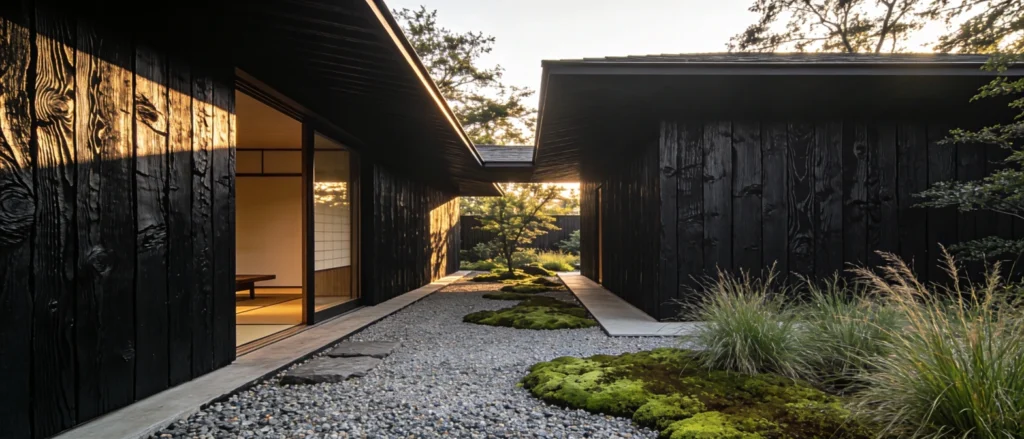
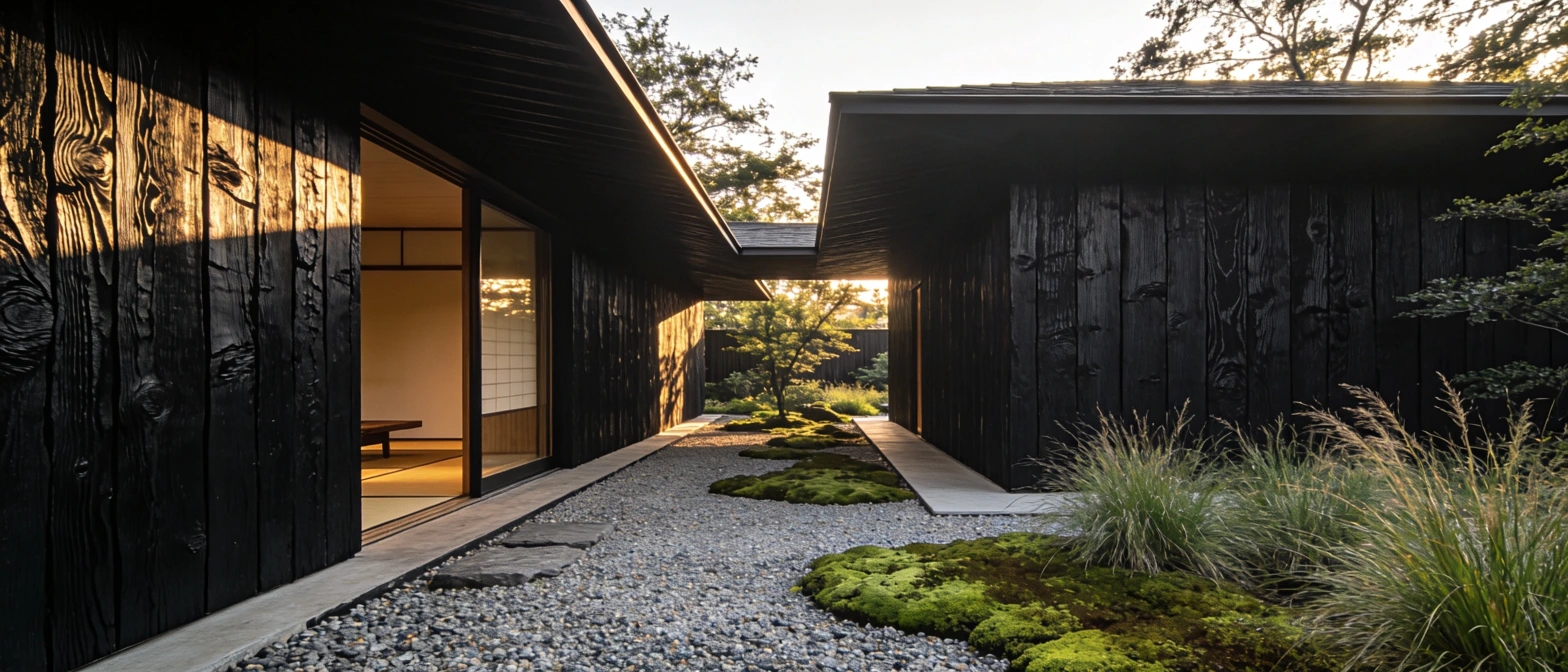
A Japanese-influenced organic modern exterior — featuring shou sugi ban charred cedar cladding whose deeply blackened surface preserves the natural wood grain texture beneath a carbonized protective layer of genuine visual beauty, combined with deep overhanging eaves that create generous shade and rain protection in the manner of traditional Japanese domestic architecture, a refined gravel and moss garden with precisely placed ornamental grasses and specimen stones, and the characteristic quality of deliberate restraint and careful material consideration that defines Japanese architectural aesthetics at their most profound — creates an exterior of extraordinary serenity, material sophistication, and contemplative calm that represents perhaps the purest expression of the organic modern design philosophy available in residential architecture.
The shou sugi ban charred cedar cladding is the most distinctive and technically fascinating material in the Japanese-influenced organic modern exterior vocabulary — the ancient Japanese charring technique that traditionally used bundled cedar boards placed upright and fired from below to create a controlled surface char that dramatically increases the wood’s resistance to fire, insects, and weather while creating a visually extraordinary surface of deep black color with the natural wood grain remaining visible through the carbonized surface layer. Contemporary shou sugi ban applications use a range of torch-charring techniques that produce different depths of char and different resulting surface textures — from a lightly brushed char that reveals a warm bronze-brown grain to a deeply wire-brushed alligator texture char of intensely dramatic visual character.
15. Mixed Material Facade with Vertical Garden
A mixed material facade deliberately composing the exterior wall surface from three or four distinct material zones — natural stone at the base course, smooth lime plaster at the primary wall areas, board and batten or vertical timber cladding at the upper zones or accent bays, and integrated vertical garden planter boxes carrying trailing and upright plant material as living architectural elements built directly into the facade composition — creates the most materially complex and visually rich organic modern exterior available, a facade of genuine textural variety and botanical integration that maintains compositional coherence through careful color palette coordination across all material zones despite their significant material diversity.
The compositional logic of the mixed material facade requires a strong organizing principle that prevents visual chaos from the material variety — a consistent color palette across all materials creates the most effective unifying strategy, where each distinct material contributes a different texture and surface character while sharing a common warm, earthy tone family that creates the visual cohesion of a considered composition rather than the accidental accumulation of unrelated cladding choices. Establish the color relationships in the material selection phase by viewing large samples of all proposed materials together in natural light, adjusting selections until all materials feel genuinely complementary rather than merely compatible, and establishing a clear hierarchy of material emphasis that guides the eye through the facade composition in a logical and satisfying visual sequence.
16. Organic Modern Exterior with Fire Feature
A built-in outdoor fireplace or fire feature integrated into the covered patio area of the organic modern home exterior — a substantial natural stone fireplace surround with a properly proportioned firebox opening, a generous stone hearth extending outward into the patio surface, and a tall stone chimney that carries the fire smoke cleanly away from the outdoor living area — creates the most genuine and seasonally extending outdoor living element available for the organic modern home, establishing an outdoor gathering destination of extraordinary warmth and atmospheric beauty that draws family and guests to the exterior living space from the first cool evenings of autumn through the coldest winter nights in temperate climates where outdoor fire features remain safely usable year-round.
The material selection for the outdoor fireplace surround should harmonize with the primary exterior wall materials of the house — using the same natural stone species or limestone family as the home’s foundation or accent walls creates the most architecturally integrated and visually cohesive outdoor fireplace composition, while a deliberately contrasting stone type creates a feature of more deliberate visual distinction that functions as a focal accent within the outdoor living area. The fireplace opening dimensions must be carefully calculated relative to the firebox depth and flue dimensions to ensure adequate draft for clean, smoke-free fire burning performance — undersized flue dimensions relative to firebox opening area create chronic smoking problems that undermine the practical enjoyment of the outdoor fireplace feature regardless of its aesthetic quality.
17. Organic Modern Pool House Exterior
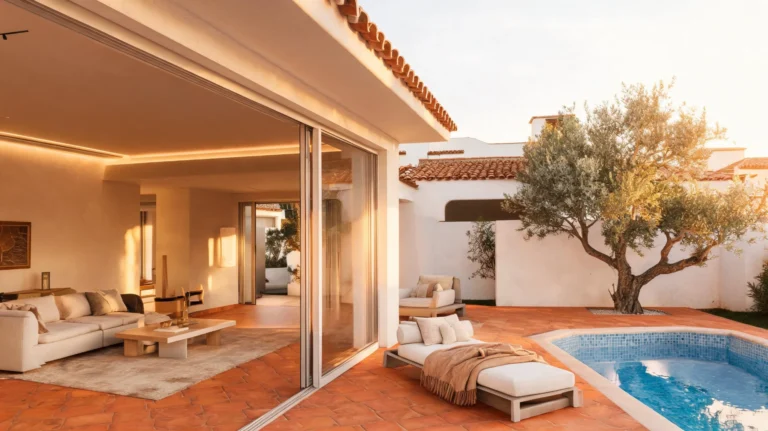
An organic modern pool house exterior — a warm stucco or natural cedar-clad structure with retractable glass or folding glass wall panels that open completely to the pool deck, creating a seamless indoor-outdoor pavilion of genuine resort quality and domestic luxury, surrounded by natural stone paving in warm flagstone or travertine, an outdoor shower enclosure with natural stone walls and teak hardware, and drought-tolerant landscape planting of ornamental grasses, lavender, and native flowering perennials — creates the most complete and aspirationally powerful outdoor living environment available for the organic modern residential property, extending the home’s living space into the landscape with genuine architectural ambition and the specific quality of resort-like comfort that makes every summer day feel like a genuinely extraordinary domestic luxury experience.
The retractable or folding glass wall system is the most technically significant and spatially transformative element of the organic modern pool house design — when fully opened, these systems completely dissolve the boundary between the interior pool house and the exterior pool deck, creating a single continuous spatial experience of genuinely remarkable openness and freedom, while when closed they provide weather protection, privacy, and climate control that extends the practical use of the pool house structure across a significantly greater proportion of the calendar year than fixed wall construction with conventional window and door openings would permit in comparable climatic conditions.